
What is the Difference Between Functional Tolls and Operational Tolls? Here's the Explanation
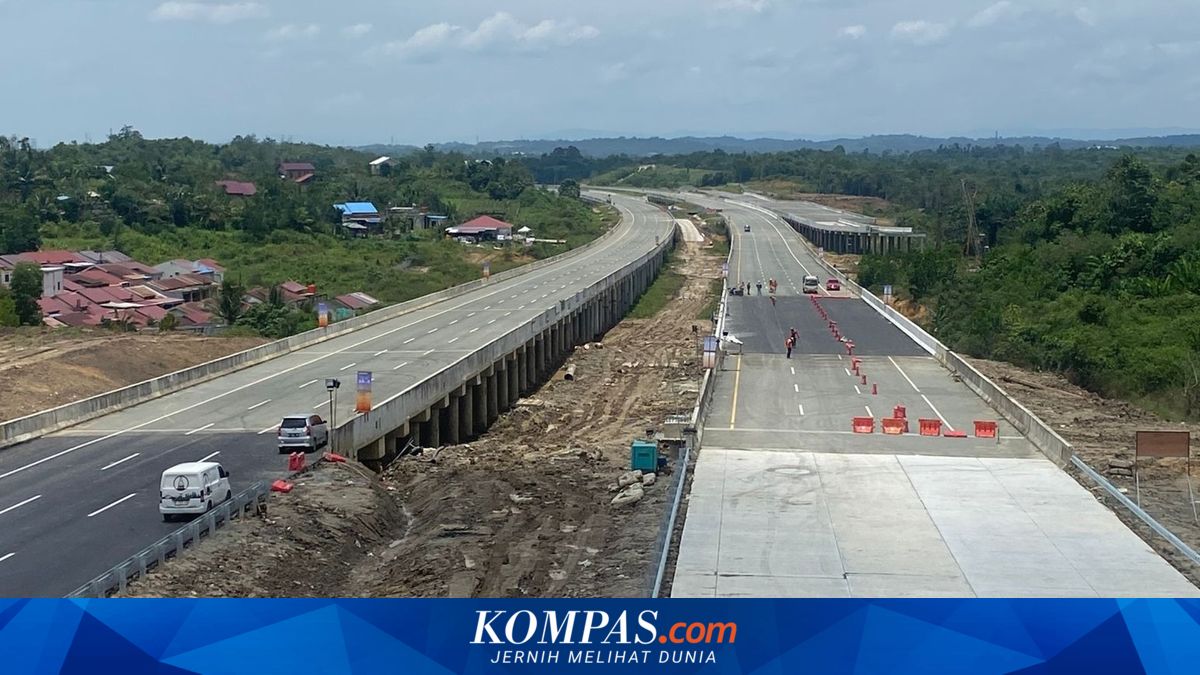
YOGYAKARTA – Ahead of the Lebaran mudik (holiday exodus), several new toll road sections are frequently opened functionally to help alleviate traffic congestion.
However, many motorists have yet to understand the difference between functional tolls and fully operational toll roads.
Yhanni Haryanto, Finance Director of PT Jasamarga Jogja Solo, explained that functional tolls are essentially still in the construction phase, so their facilities are not yet as complete as officially operational toll sections.
On functional tolls, several sections still use land concrete (LC) surfacing. Some connection points remain unfinished.
“These functional routes do not all use rigid pavement or concrete. There are several sections that still consist of land concrete (LC), because some bridges have not been completed,” said Yhanni to Kompas.com on Tuesday (10 March 2026).
“Because of this, there are some points that still use LC, so the route is not as smooth as a fully operational toll,” he added.
Beyond road conditions, vehicle speed regulations also differentiate the two. To ensure the safety of road users, speed limits on functional tolls are typically lower than on operational tolls.
“The maximum speed limit is 40 km per hour,” said Yhanni.
Other differences are evident in the completeness of supporting infrastructure. Functional tolls generally lack comprehensive street lighting. Similarly, road markings and traffic signs are not yet fully installed.
Nevertheless, functional tolls can still be utilised by the public to help improve vehicle flow, particularly during peak periods such as the Lebaran exodus.
“Functional tolls generally operate without toll charges. This is because they have not yet been handed over to the Toll Road Operating Agency, but remain under the constructor’s management,” said Yhanni.
By understanding these differences, road users are expected to exercise greater care when using functional tolls, particularly by adjusting vehicle speed and remaining attentive to road conditions that are not yet fully complete.