
What Is Eco Enzyme? A Versatile Liquid Made from Organic Waste That Is Environmentally Friendly
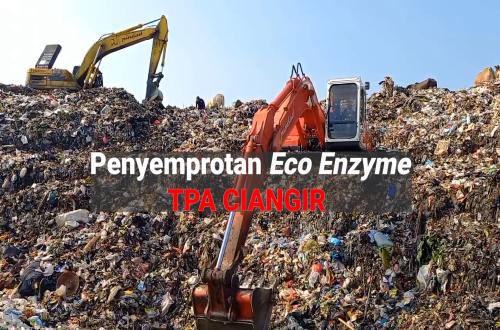
Eco enzyme has become one of the increasingly well-known organic waste management solutions because of its wide-ranging benefits for households and the environment. This liquid is produced through fermentation of organic waste such as fruit and vegetable peels, which then yields a multipurpose solution with various functions, ranging from household cleaner to plant fertiliser.
According to the official Waste4Change website, eco enzyme, also commonly referred to as “garbage enzyme”, is made through fermentation of organic material combined with sugar and water in an oxygen-free environment. In this process, microorganisms naturally present on fruit and vegetable scraps break down carbohydrates and produce alcohol (ethanol) or acetic acid as by-products.
The alcohol and acetic acid content possesses disinfectant properties capable of killing bacteria and fungi. For this reason, eco enzyme can be utilised as a floor cleaner, kitchen cleaner, fruit and vegetable washer, and natural insect repellent.
The formation of eco enzyme occurs through anaerobic fermentation. In an oxygen-free environment, bacteria and yeast utilise carbohydrates from organic waste as an energy source. Certain types of yeast produce alcohol, whilst the majority of bacteria produce acetic acid. The activity of microorganism enzymes during fermentation is what creates the various active compounds in eco enzyme.
Beyond serving as a natural disinfectant, eco enzyme also possesses important environmental value because it can help reduce the volume of organic waste. In Indonesia, waste remains a significant challenge. A 2018 Sustainable Waste Indonesia study noted that approximately 60 per cent of total waste in Indonesia is organic waste.