
What Is Causing So Many Investments to Fail to Enter Indonesia
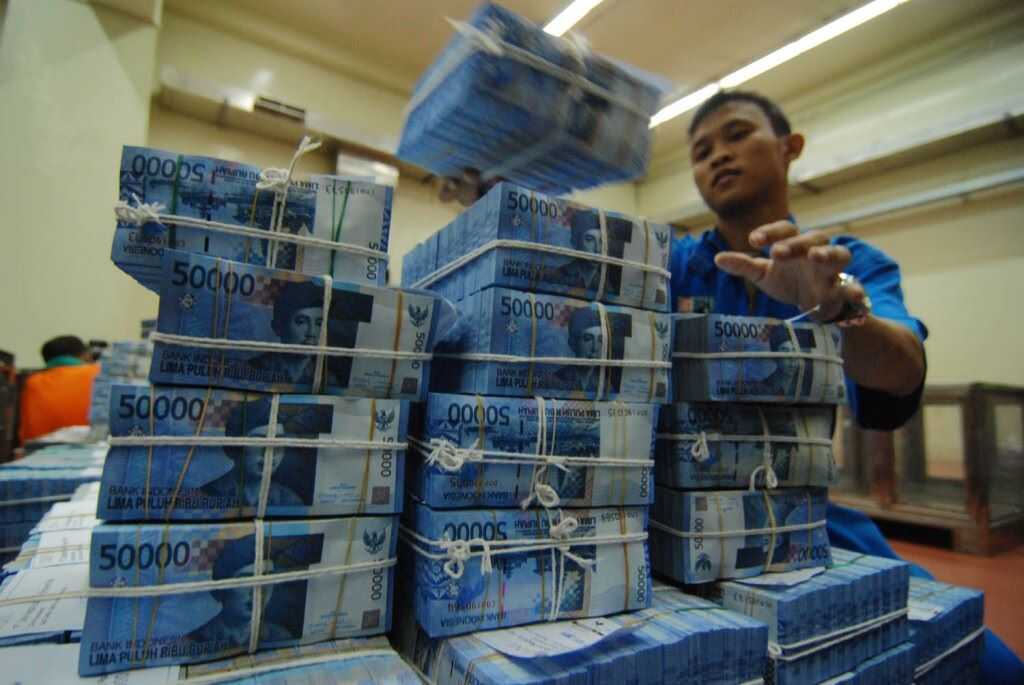
Jakarta: In 2024, the government failed to bring in investments worth Rp1,500 trillion. Overlapping regulations and excessive licensing requirements have been cited as factors behind the failure.
“We found that in 2024, the investment realisation figure could have potentially reached Rp2,000 trillion. There was Rp1,500 trillion in unrealised investment. Why? Because of issues such as licensing, an unconducive investment climate, various overlapping policies and so forth,” said Deputy Minister of Investment and Downstreaming/Deputy Head of the Investment Coordinating Board (BKPM) Todotua Pasaribu, quoted on Sunday, 6 July 2025.
The high level of interest from prospective investors in the mining sector was cited as another factor causing the Rp1,500 trillion in capital to fail to land in the country.
Why investments failed to materialise
Senior Economist at the Institute for Development of Economics and Finance (Indef) Tauhid Ahmad explained that the mining sector is one of the most popular investment destinations for investors. However, behind this great opportunity, there are a number of issues causing investment potential to evaporate.
“Our readiness in the mining sector is not yet strong enough. Particularly regarding land issues, which are not yet clear and clean,” he said.
The second factor causing investors to reconsider investing in Indonesia is the lack of government policy support. The high complexity of the mining sector has led to thick layers of regulation that make it difficult for prospective investors to invest.
Furthermore, the third factor deemed to cause investment failure is the quality of human resources, particularly in the mining sector, which remains quite low. This drives investors to bring in foreign workers, which runs counter to the government’s desire for domestic labour absorption.
“Our human resources are not sufficiently prepared. Because the supply of our human resources for these sectors cannot be developed in a relatively short timeframe. Schools need to be established first, then training methods and so on. Our formal education and training institutions do very little to prepare for this,” Tauhid explained.
Ecosystem not yet ready
Beyond these three main issues, he continued, there are other concerns for prospective investors considering Indonesia, namely supply chain matters. Although the government frequently promotes a strong domestic supply chain ecosystem, the reality has not been sufficiently promising.
Tauhid also observed no significant change in approach from the government under President Prabowo Subianto in terms of attracting large-scale investment. In other words, the potential for investment failure to enter Indonesia remains open every year.
This is because the government has thus far not introduced policies that differ from the previous administration. The policymakers responsible for investment are also largely the same as those from the previous government.
“With the same ministers, there has actually been no significant change. Now they have begun identifying redundant regulations and so forth, but that process is not yet complete. That becomes the problem because ultimately each regulation has a sufficiently strong legal basis. The changes need to be made at the legislative level,” said Tauhid.