
What is Andilan Kebo? Understanding the Betawi Lebaran Meat Pooling Tradition
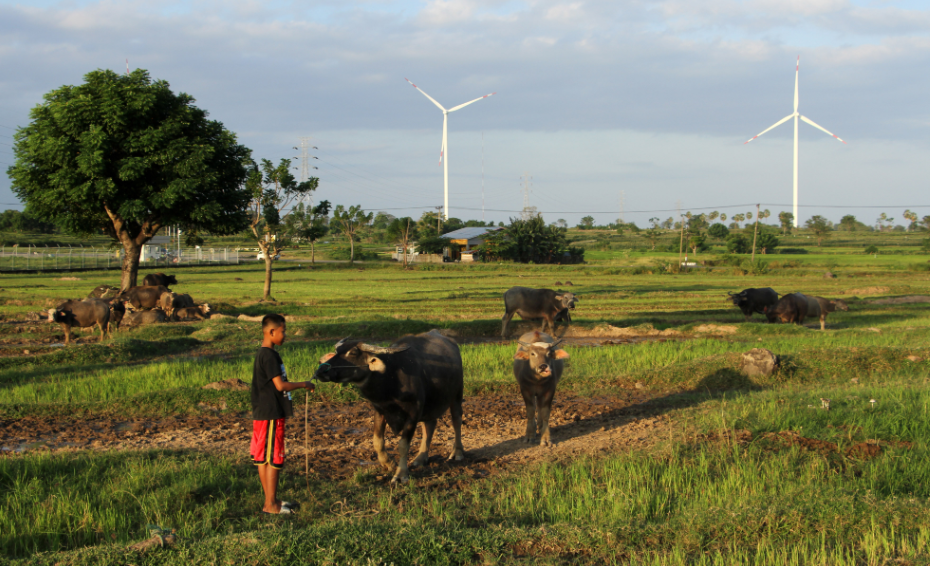
Amid Jakarta’s modernity, the ancestral tradition of the Betawi community known as “Andilan Kebo” remains well-preserved. Jakarta Deputy Governor Rano Karno stated that this tradition is not merely a ritual of animal slaughter, but a reminder of the importance of safeguarding cultural identity and the spirit of mutual cooperation in the metropolitan city.
“With the spirit of togetherness through this ‘Andilan Kebo’, I am honestly a bit surprised. It turns out that in Jakarta, activities like this still exist. It reminds me of my childhood in Kemayoran, when the community shared according to their abilities,” said Rano in Jakarta on Thursday (19/3).
“Andilan Kebo” literally means pooling funds to buy livestock (buffalo or cow), which is then shared among the residents. Uniquely, the contribution amount is not fixed equally, but adjusted to each resident’s economic ability. This is what is considered to reflect true justice.
Although becoming rare, this tradition is still observed by the Betawi community in several areas, such as Kedoya (West Jakarta) and Pondok Ranggon (East Jakarta).
Quoted from Harian Media Indonesia edition of 3 August 2013, this tradition is usually carried out two days before Eid al-Fitr. The contribution money is collected gradually through community meetings or religious gatherings, from weekly to monthly dues.
Once the funds are collected, the residents buy a buffalo, usually a month before fasting, to be raised so that it is healthy and fat by the time of slaughter.
“In the 90s, when slaughtering the buffalo, I happened to lead the andilan kebo slaughter event. The skin is usually for the butcher, and the head part for me,” said Umar Adria, an elder in the Kedoya area, West Jakarta.
In Betawi culture, the buffalo head holds high symbolism. In the past, this part was allocated to the most respected figure or the landowner. However, now it is determined through deliberation.
“In the past, Kebon Jeruk, Daan Mogot, and Pejompongan were still villages, so there were many Betawi communities. The elder figures were usually hajis. Outside Betawi, it’s like the customary head,” Umar explained the social shifts in Jakarta.
After the slaughter is complete, all community elements share roles. Men clean the meat, young people prepare equipment, while women process the meat into typical dishes like semur and pindang daging.
“Once it’s like that, the togetherness is really felt,” Umar added. Through this tradition, the Betawi community not only shares delicious feasts on the holiday but also nurtures gratitude to God and strengthens neighbourly brotherhood.