
What Does the National Nutrition Agency Say About the Budget for Electric Motorcycles to Laptops?
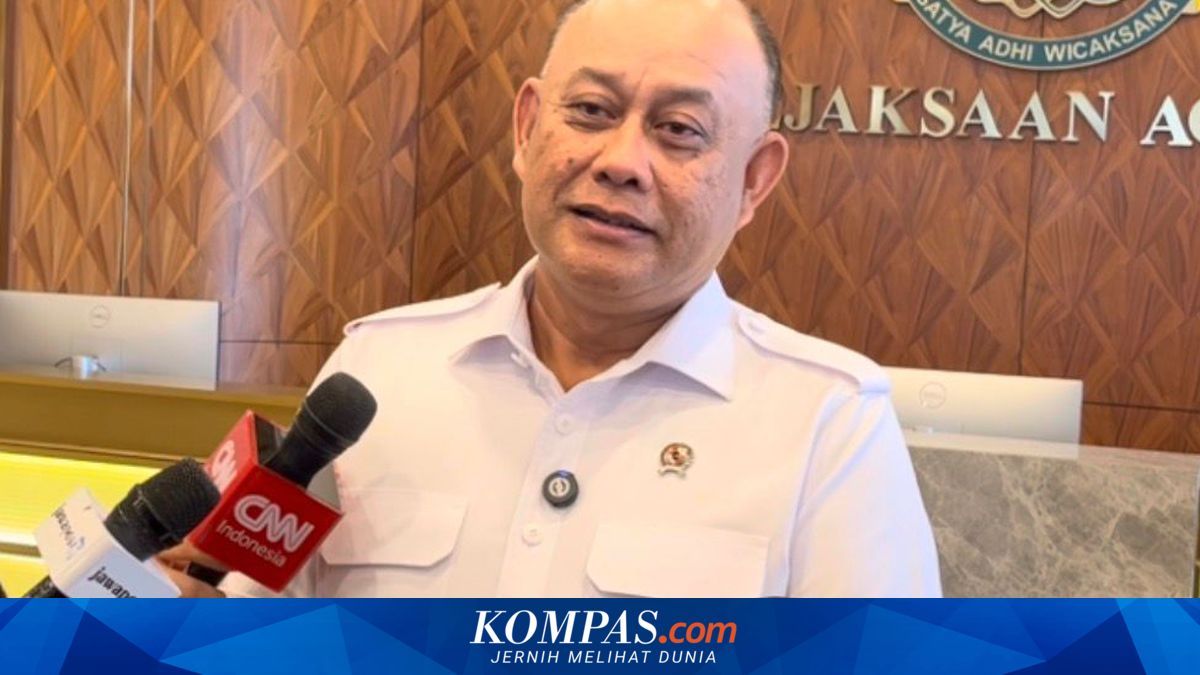
JAKARTA, KOMPAS.com - The National Nutrition Agency (BGN) has issued a clarification regarding the budget for procuring various goods and services, including electric motorcycles, event organisers (EO), dining utensils, laptops, and even socks, amounting to billions of rupiah.
BGN Head Dadan Hindayana has refuted claims that the budget allocated for these items reached billions of rupiah.
“There is no wasteful spending in its implementation,” stated a press release from the BGN’s Legal and Public Relations Bureau on Monday (13/4/2026).
Dadan added that until the end of the opportunity period on 20 March 2026, suppliers had only managed to complete 85.01 per cent, or 21,801 units, out of the 25,644 units contracted.
Dadan denied information claiming the procurement of electric motorcycles reached 70,000 units.
“The remaining funds that have been accommodated are returned to the state treasury along with the cancellation of the RPATA simultaneously with the second stage payment,” said Dadan on Thursday (9/4/2026) last week.
The function of the electric motorcycles is to assist heads of SPPG for daily mobility.
The price per motorcycle is Rp 42 million per unit, whereas on the market it is Rp 52 million.
Following the emerging polemic, the government has halted the budget for purchasing electric motorcycles.
“For the time being, we will suffice with this amount, because this is the 2025 budget, and there is no planning for purchases in 2026,” said Dadan.
BGN also clarified its choice to use external event organiser (EO) services worth Rp 113 billion in its budget.
The reason is that BGN does not have its own EO, while on the other hand, BGN needs to hold activities that require reliable organisers.
By involving third parties, the procurement process for goods and services, vendor payments, and activity reporting can be carried out in a centralised and systematic manner.