
What Are the Impacts of the Iran versus United States-Israel War on Indonesia?
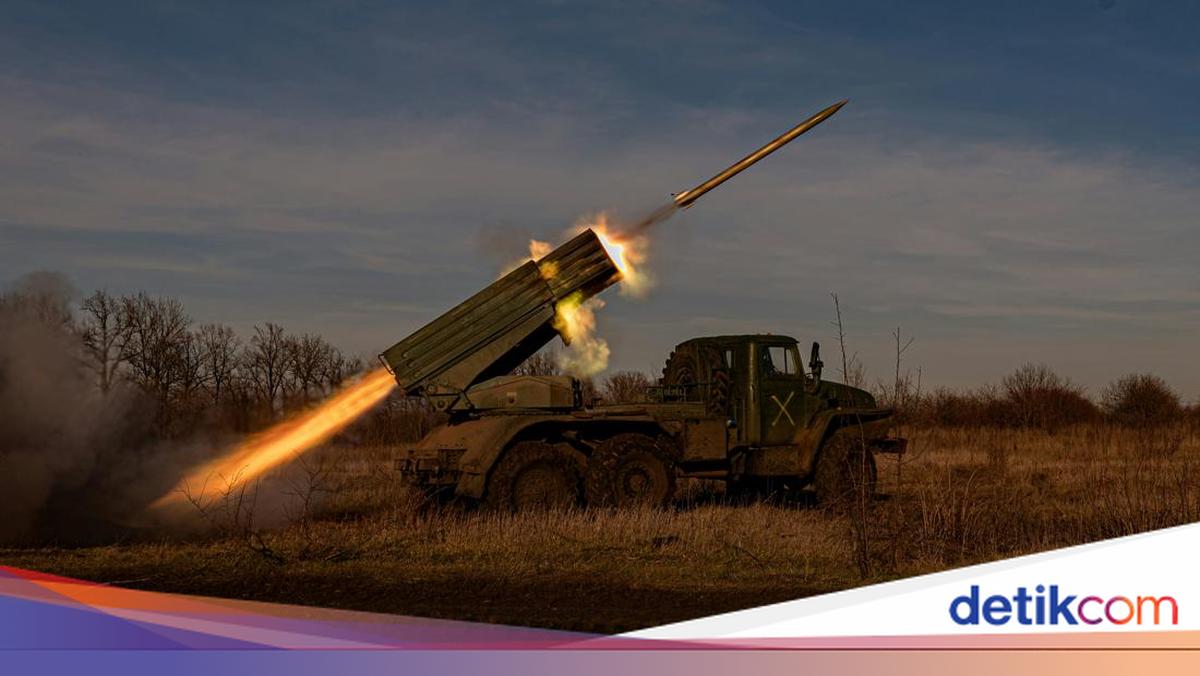
The war between Iran, the United States, and Israel does not only impact the countries directly involved. The tensions have implications for the Strait of Hormuz as an international trade route. Consequently, countries across the world, including Indonesia, face potential impacts.
The military conflict occurring in the Middle East naturally affects security in the region. As a result, international trade activities are also disrupted. Moreover, this geopolitical uncertainty also triggers concerns in international markets.
As part of the international economic system, Indonesia also has the potential to experience impacts from this Middle East war. What are the various impacts of this war on Indonesia? The following is a complete explanation.
Impacts of the Iran versus United States-Israel War on Indonesia
- Rising Fuel Prices
The conflict between Iran, the United States, and Israel has caused global crude oil prices to rise. This occurs because the Middle East is one of the regions serving as an international energy distribution route. When military tensions occur in this region, the global energy market experiences disruptions to oil supplies, causing international market oil prices to increase.
The impact of rising global oil prices is also felt by Indonesia as a country that still depends on imports to meet domestic energy needs. According to detikFinance, if oil prices increase, then fuel (BBM) prices are also estimated to increase. This particularly applies to fuel that is not subsidised by the government. In these conditions, transportation costs and other economic activities will also be affected.
- Pressure on the State Budget
Rising global oil prices also places significant pressure on the state budget (APBN). According to the Indonesian Parliament (MPR) website, this was directly stated by Eddy Soeparno, that surging oil prices can directly impact the nation’s fiscal condition, namely straining the state budget.
Additionally, if global oil prices increase drastically, the government must allocate a larger budget to adjust energy subsidies. If this condition persists for a long period, the burden on state finances will increase further.
- Global Competition for Oil Supply
Beyond affecting energy prices, this geopolitical conflict in the Middle East can also lead to global competition in obtaining crude oil supplies. This was also mentioned by the deputy chairman of the Indonesian Parliament, Eddy Soeparno, that oil-importing countries can compete against each other for crude oil supply.
“Especially since crude oil prices in the macro assumption of the state budget are USD 70, and the deficit against GDP is at 2.68 per cent. Then with the increase in oil and gas prices above USD 100 per barrel, the possibility of budget deficit could exceed 3.6 per cent, as stated by officials at the Ministry of Finance,” he said on Monday (9 March).
Indonesia, as an oil-importing country, certainly has the potential to compete with major countries that have high energy needs. This competition can make oil prices increasingly expensive and cause limitations in domestic and global energy supply.
- Increasing Inflation
Rising global oil prices can also trigger inflation domestically. According to detikNews, this Middle East geopolitical conflict has the potential to drive energy price increases that result in domestic inflation.
Oil prices have a significant influence on various economic sectors, such as transportation, industry, and goods distribution. If fuel prices increase, then the cost of production and distribution of goods will also increase. As a result, the prices of various goods and services in the domestic market will experience increases, causing the purchasing power of the public to decline.
- Pressure on the Rupiah Exchange Rate
The conflict between Iran and the US-Israel also affects the stability of the nation’s currency exchange rate. When oil prices increase, Indonesia needs to spend more foreign currency to pay for energy imports. As a result, demand for US dollars increases.
The increase in dollar demand causes the rupiah exchange rate to experience pressure or weakening. If the rupiah weakens against the US dollar, then the prices of imported goods will become more expensive.
- Rising Transportation and Logistics Costs
The increase in fuel prices also directly impacts the transportation and logistics sector. Given that transportation is a sector that heavily depends on fuel oil to operate.
If fuel prices increase, then transportation costs will also increase. Additionally, this will also increase distribution costs, making goods more expensive.
These are some of the impacts that Indonesia potentially will experience as a result of the war between Iran and the US-Israel. We hope this adds to your knowledge!