
What Are Blue-Collar and White-Collar Workers? Definition and Differences
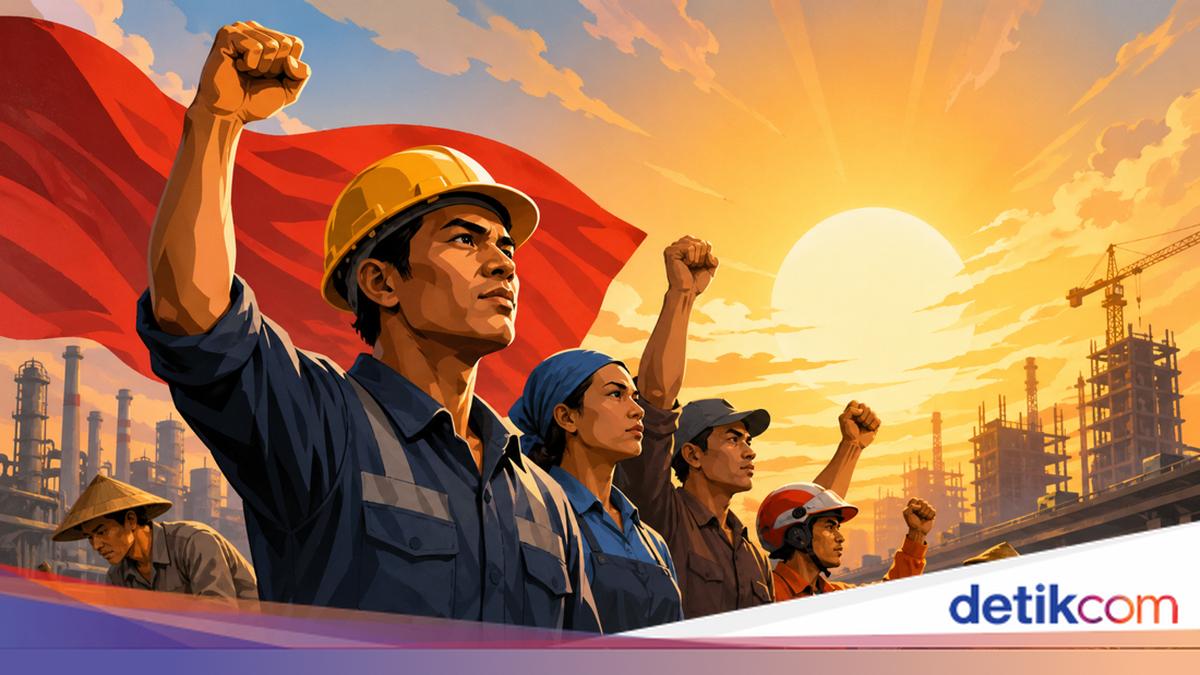
Workers around the world celebrate Labour Day on 1 May each year. Based on the type of work, the terms blue-collar worker and white-collar worker have emerged. What are the differences?
According to Law No. 1957, every person who works for an employer and receives wages is defined as a labourer. In the past, the term labourer was more commonly used, even during the Dutch East Indies era. Then, the New Order replaced the term labourer with worker because it considered labourer to be too left-leaning and radical.
The variety of job types classifies workers into two groups: blue-collar workers and white-collar workers. These terms are unofficial but widely used. What are the differences in meaning between the two terms? Read the full explanation below!
What Are the Definitions of Blue-Collar and White-Collar Workers?
Blue-collar workers refer to those who perform physical and manual labour. This term first appeared in an Iowa newspaper in 1924. Blue collar refers to denim clothing commonly worn by workers, which can camouflage stains on clothes.
Meanwhile, white-collar workers are defined as those in administrative and managerial fields. White collar clearly refers to the white shirts commonly worn by professionals in those fields.
In general, blue-collar work can be done by all levels of education. It almost does not require high competence. Some jobs that require special skills, such as technicians, are usually given vocational education or courses for several months.
White-collar workers are required to have a diploma/bachelor’s degree and certain credibility. Socially, this type of worker is considered to have a better position and salary compared to blue-collar workers. Their workplaces also differ; blue-collar workers tend to be in the field or production buildings and drain energy. Whereas white-collar workers are associated with being in front of a computer in an air-conditioned room.
The fields of work pursued by blue-collar workers include manufacturing industry, mining, fishing, agriculture, to construction. Conversely, white-collar workers are usually concentrated in administration, bureaucracy, diplomacy, research, consulting, to law and health.
Job Risks in the Future
Both types of workers have concerns about the sustainability of future jobs. Blue-collar workers must face industrial automation. Technological developments cannot be avoided. More advanced and efficient machines are increasingly considered as industrial assets rather than the workers themselves.
The presence of artificial intelligence also indirectly threatens jobs in many fields. Administrative tasks usually done by entry-level workers can be easily and efficiently handled by AI assistance. Nevertheless, there will always be job potentials that adapt to technological developments.