
WFH for Civil Servants Every Friday: Can It Really Alleviate Jakarta's Traffic Jams?
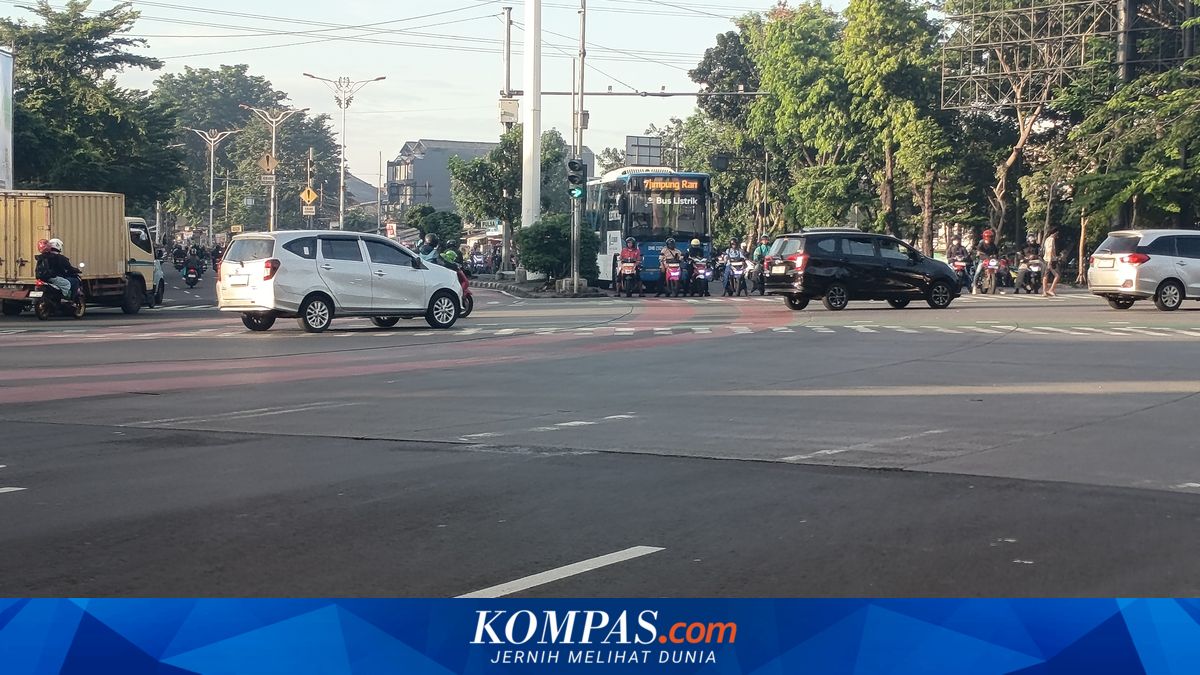
JAKARTA – A policy of work from home (WFH) for civil servants (ASN) every Friday is touted as a means to reduce traffic congestion and energy consumption. However, its effectiveness remains in question. Transportation observer Deddy Herlambang assesses that reducing ASN mobility does have the potential to ease traffic density. Nevertheless, the relatively small number of ASN compared to workers in other sectors means the impact will not be significant. The number of ASN in Indonesia is around 5.3 million people. Meanwhile, private and informal sector workers number 58.05 million people, based on 2024 data from the Central Statistics Agency (BPS). With that ratio, energy savings are also deemed not substantial. Deddy likens the reduction in fuel use to just one out of 50 vehicle users. This situation reinforces the view that the WFH policy for ASN alone is insufficient to untangle Jakarta’s traffic jams. On the other hand, the implementation of WFH also has the potential to deviate from its original purpose. Fridays are often seen as the start of a long weekend, thus opening opportunities for ASN to work from anywhere (work from anywhere/WFA). “WFH on Fridays is considered a long weekend. If this happens, it means they still travel, possibly to malls, cafes, or other places,” said Deddy. Nevertheless, Deddy emphasises that the effectiveness of this policy still depends on the discipline of ASN.