
WFH for Civil Servants: Ciamis Regency Encourages Use of Public Transport and Bicycles
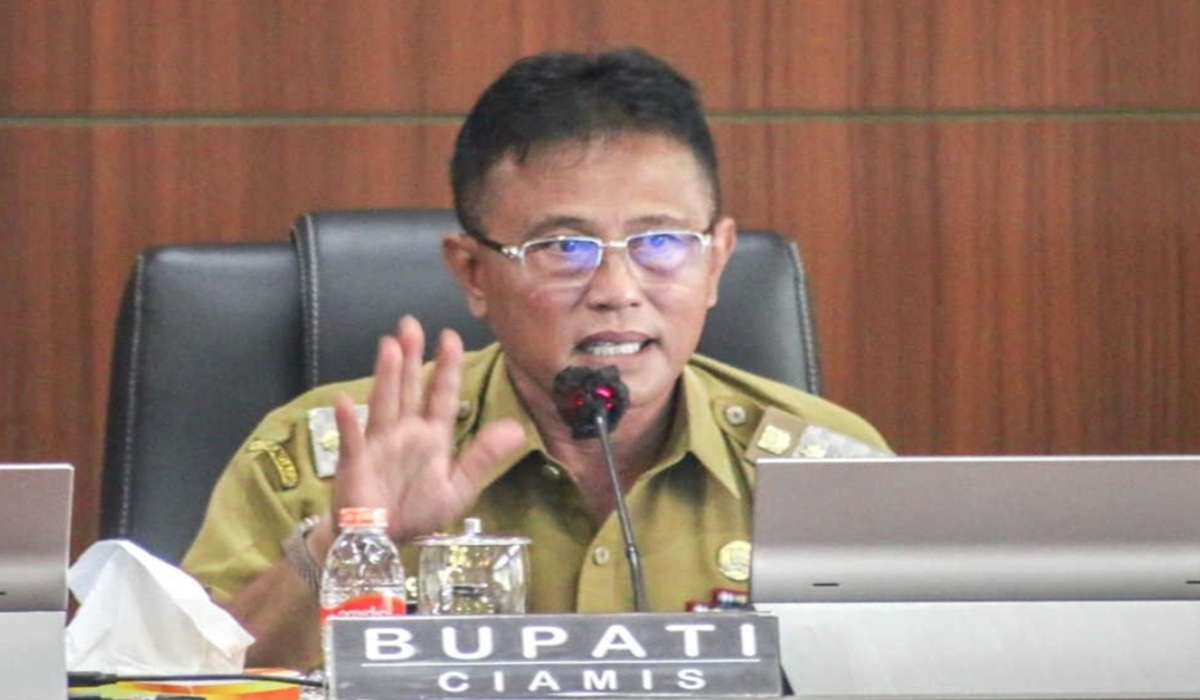
The Ciamis Regency Government (Pemkab) in West Java is examining the application of work-from-home (WFH) policies for civil servants (ASN). This WFH policy for ASN is outlined in a circular from the Minister of Home Affairs, Tito Karnavian.
Ciamis Regent Herdiat Sunarya stated that implementing WFH for ASN is a response to the push for efficiency in fuel oil (BBM) usage, without neglecting the quality of public services. However, the local government assesses that adjustments to work patterns are needed to maintain effectiveness while being more energy-efficient.
“To achieve greater efficiency and given the current situation to save on fuel oil (BBM), we will review whether to implement work-from-home (WFH) or continue working as usual. Because the work-from-home (WFH) option as an alternative work scheme is being considered, including arrangements for transportation usage,” said Herdiat Sunarya on Wednesday (1/4).
According to Herdiat, ASN are likely to continue coming to work as usual or be directed to use public transport and bicycles, especially for ASN residing near the office.
“The local government policies taken are binding, and all must be obeyed by all civil servants (ASN). We will impose sanctions on employees who do not follow the agreed rules, including in terms of transportation modes,” he said.
He added that the implementation of work-from-home (WFH) for civil servants (ASN) will be reviewed first, and if the agreement is to use public vehicles but employees insist on using private or official vehicles, they will receive sanctions. However, to support the fuel oil (BBM) saving policy, it will be reviewed immediately.
“We will first review the arrangements for WFH for civil servants (ASN), including the implementation schedule and mechanisms, particularly the use of alternative transportation. However, ASN are asked to use public transportation or other more energy-efficient means, and in the future, we will coordinate with Pertamina in the Tasikmalaya region, especially in monitoring BBM distribution developments,” he concluded.
Public policy observer Trubus Rahardiansyah assesses that the work-from-home (WFH) policy of one day per week will not yet be effective for energy or fuel oil (BBM) savings.