
WFH for Civil Servants Applies on Fridays: What About in Jakarta, Bekasi, Depok, and Tangerang?
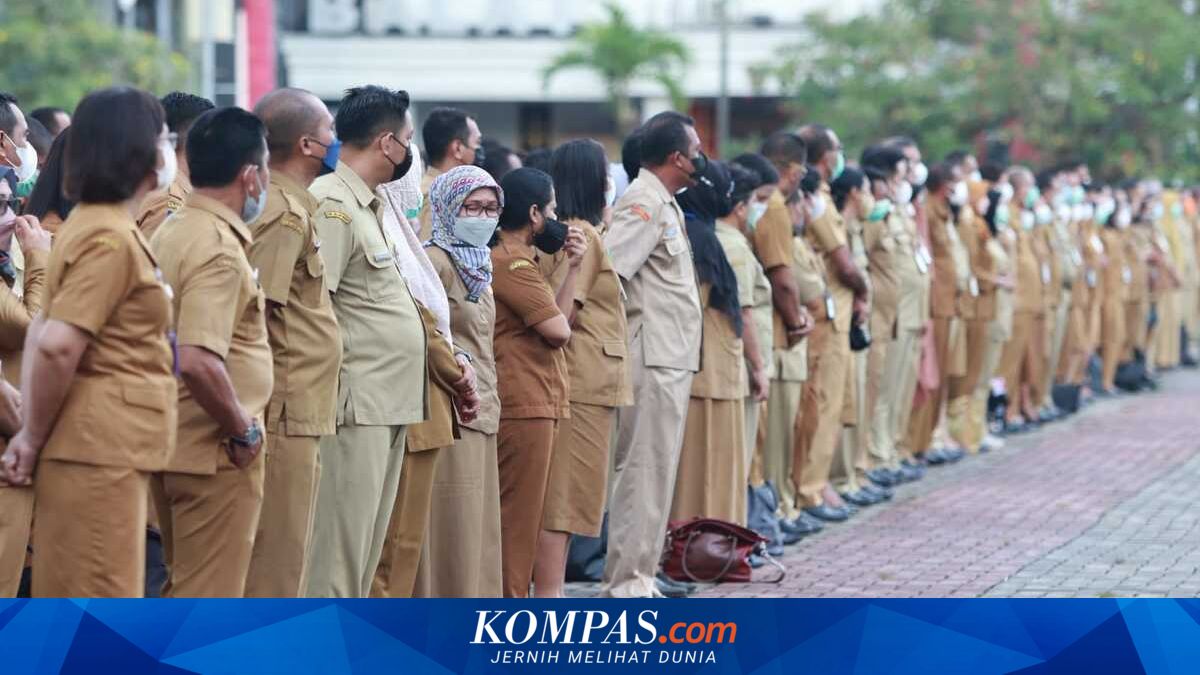
The government’s policy on work from home (WFH) for civil servants (ASN) has been officially established, to be implemented every Friday starting in April 2026 as part of the transformation of work patterns in central and regional agencies. Coordinating Minister for the Economy Airlangga Hartarto stated that this policy will be applied for one day per week. News of the ASN WFH policy for one day per week had previously circulated widely and elicited varied responses from regional governments in Jakarta, Bekasi, Depok, and Tangerang. They generally opt to adjust the day while still awaiting technical guidance from the central government. “In principle, the DKI Jakarta Government will follow the central government’s directives. Regarding the day, it certainly won’t be Wednesday,” said Pramono at the DKI Jakarta DPRD Building in Central Jakarta on Monday (30/3/2026). According to him, this decision relates to the “Wednesday Public Transport” programme already implemented in the Capital. In that programme, ASN and Individual Service Providers (PJLP) are required to use public transport for commuting to and from work or carrying out official duties. Pramono assessed that if WFH were applied on Wednesday, the policy’s objectives would not be optimal because worker mobility would decrease. “Since Wednesday is public transport day, it will be maintained. WFH will be decided outside that day,” he said. Bekasi Mayor Tri Adhianto stated that the selection of the day is done to avoid disrupting public services. “For public services, we will rest 50 percent, for example, the Spatial Planning Agency,” said Tri when met at the Bekasi City Hall Plaza on Monday (30/3/2026). He emphasised that services directly touching the public will continue normally without reduction. “100 percent is for those that are truly public services,” he said.