
WFH Decision to Be Made in March? Here's the Leak from Coordinating Minister Airlangga
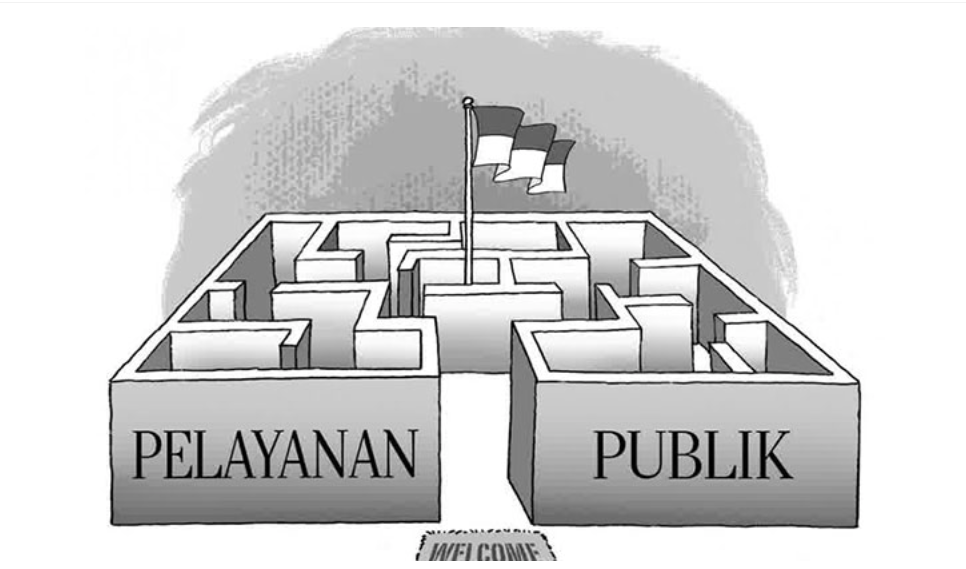
Coordinating Minister for the Economy Airlangga Hartarto has confirmed that the work-from-home (WFH) policy will be established in March. “It will definitely be set this month,” Airlangga said at the Presidential Palace Complex in Jakarta on Friday (28/3). Airlangga stated that the policy’s establishment will occur within the remaining time this month. He noted that there are still a few days until the end of March, providing sufficient time to finalise the policy. “How many days are left this month? So there’s still time,” he concluded. It is known that the government has ensured the WFH policy will be implemented starting after Lebaran, as an effort to save energy amid rising global oil prices. Airlangga stated that this policy applies to civil servants (ASN) and is also recommended for the private sector. “(The WFH rules) will be detailed. But after Lebaran, we will implement it. For ASN as well as recommendations for the private sector. But not for those working in public services,” Airlangga said on Saturday (21/3). Meanwhile, Finance Minister Purbaya Yudhi Sadewa assessed that the work-from-home (WFH) policy being prepared by the government will not disrupt national economic productivity and even has the potential to provide energy efficiency. According to him, from both fiscal and economic activity perspectives, the WFH policy will not have a significant impact on national productivity if implemented selectively. “No (it won’t disrupt), if we choose carefully. If we choose Friday, there will definitely be some percentage savings in fuel, I don’t know the details because it can vary depending on oil prices,” Purbaya said when met at the Presidential Palace Complex in Jakarta on Friday. He explained that strategic sectors such as manufacturing industries and public services will continue to operate normally because not all types of work can be done remotely. In addition, the implementation of WFH is seen as potentially reducing fuel oil (BBM) consumption due to decreased public mobility, although the amount of savings still depends on oil prices. “For productivity, for factories and so on that require continuous work, they don’t have to, right. And for public services, it will continue. So it should be fine if it’s just one day. Our total productivity won’t be too disrupted,” Purbaya explained.