
West Sumatra's Economy Grows 3.37 Per Cent Amid Fiscal Pressures
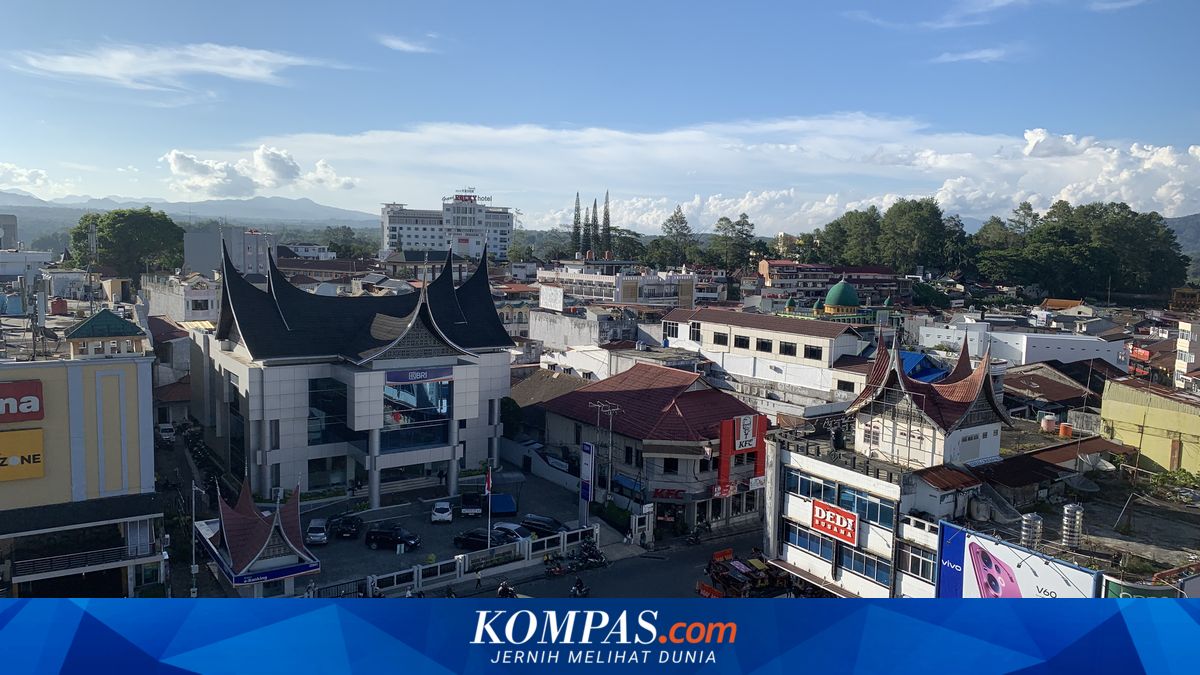
PADANG — West Sumatra’s economic growth in 2025 slowed to 3.37 per cent, down from 4.36 per cent in 2024. The economic deceleration occurred amid fiscal pressures on the region and a series of natural disasters that damaged economic and social infrastructure for residents.
“The deceleration is certainly understandable given that much of the region’s economic and social infrastructure was destroyed and damaged by successive disasters in West Sumatra,” said Muhidi, Chairman of West Sumatra’s Regional Representative Council (DPRD), during a plenary session in Padang on Monday, 16 March 2026.
Muhidi noted that 2025 was a difficult period for West Sumatra as the region faced compound shocks or layered crises.
Flash floods and landslides were reported in 16 districts and cities. The disasters affected 150 sub-districts and 793 villages in the province.
During the same session, West Sumatra Governor Mahyeldi Ansharullah presented the 2025 Fiscal Year Accountability Report (LKPJ), which outlined various macroeconomic conditions in the region throughout the year.
The report also contained population dynamics and fiscal policy developments that influenced the region’s economic conditions.
The highest population growth was recorded in Mentawai Islands District at 2 per cent. This was followed by South Coastal District at 1.77 per cent and West Pasaman District at 1.71 per cent.
Dharmasraya District also recorded population growth of 1.61 per cent.
In terms of fiscal matters, West Sumatra’s regional budget (APBD) for 2025 underwent several adjustments. Total regional revenue after revisions was recorded at approximately 6.26 trillion rupiah, whilst regional expenditure reached approximately 6.38 trillion rupiah.
These adjustments were influenced by various factors, including budget efficiency policies under Presidential Instruction Number 1 of 2025, which impacted transfers to regions.