
West Sulawesi Develops Public Health Laboratory to Biosafety Level 2 Standards
Mamuju (ANTARA) - The West Sulawesi Provincial Government (Pemprov Sulbar) is strengthening the regional health resilience system through the development of the Public Health Laboratory (Labkesmas) to Biosafety Level 2 (BSL-2) Plus standards.
“Strengthening the laboratory is an important step in preventive efforts. Early detection is crucial to ensure disease handling can be carried out more quickly and accurately,” said the Head of the West Sulawesi Health, Population Control, and Family Planning Office, dr Nursyamsi Rahim, in Mamuju on Thursday.
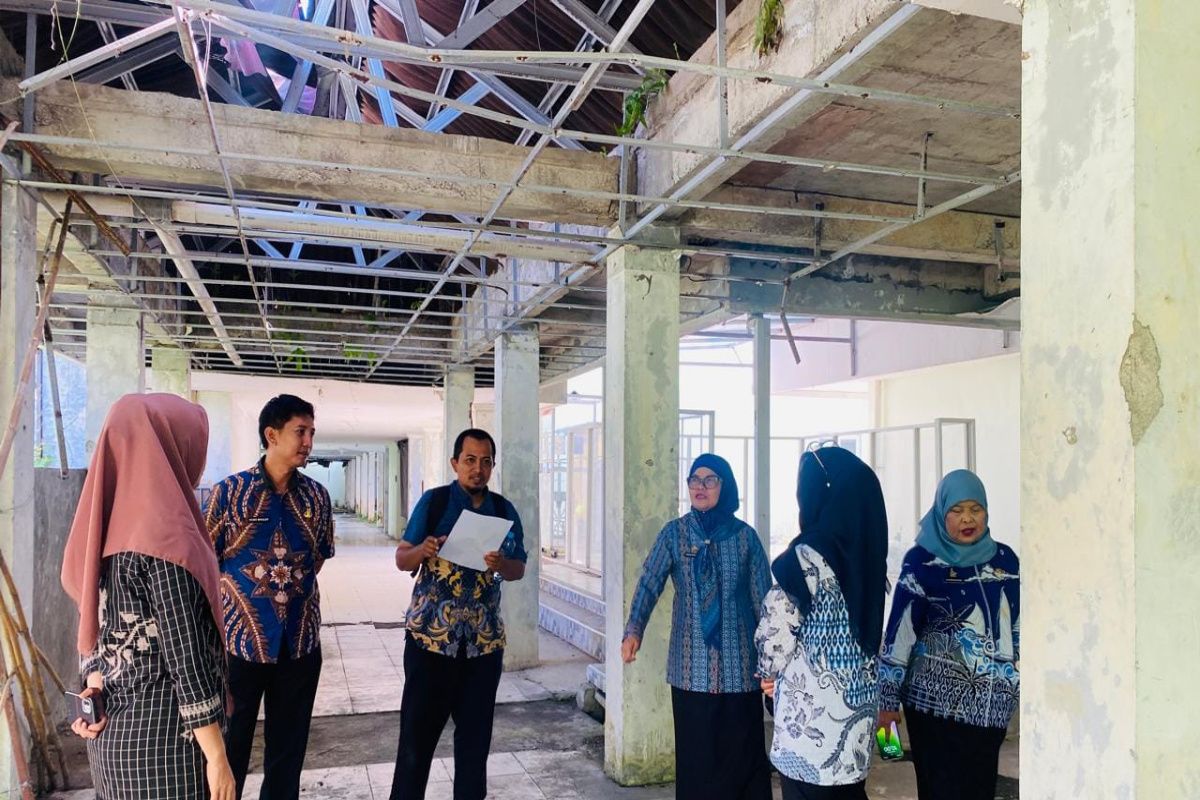
Nursyamsi conveyed this during a visit to the West Sulawesi Labkesmas to assess the readiness for facility development and to encourage the optimisation of services, which also has the potential to increase Local Own-Source Revenue (PAD).
“This effort is driven by the West Sulawesi Health, Population Control, and Family Planning Office as part of enhancing early detection-based health services that align with the vision of the West Sulawesi Governor,” Nursyamsi stated.
Nursyamsi explained that the laboratory capacity at the provincial level is currently still limited, particularly in supporting comprehensive disease diagnosis.
“Therefore, the development of the Labkesmas is an urgent need,” she said.
A laboratory with BSL-2 standards is designed to handle disease agents with moderate risk, including PCR-based examinations for various infectious diseases.
In the future, Nursyamsi continued, the West Sulawesi Labkesmas will not only function as a surveillance centre but also as a broader public health screening facility.
“In the future, we want laboratory services to operate in a tiered manner, from district health centres to the provincial level. Everything must be connected and mutually supportive,” Nursyamsi stated.
She added that this development aligns with the direction of national health system transformation policies from the Republic of Indonesia Ministry of Health, which emphasises strengthening health laboratories in terms of both quantity and quality of facilities and infrastructure.
In addition to diagnosing infectious diseases, strengthening PCR laboratories is also considered important in the surveillance system, including detecting the potential emergence of new diseases such as avian flu or other viruses.
The Labkesmas will also be integrated into life-cycle-based health services, from pregnant women, children and adolescents, productive age to the elderly, including in handling infectious diseases.
“This transformation is not easy. It requires collaboration and commitment from all parties. We must eliminate sectoral egos and focus on the interests of the community,” Nursyamsi said.