
West Java Governor States Motor Vehicle Tax and Transfer Fee Will Not Increase in 2026
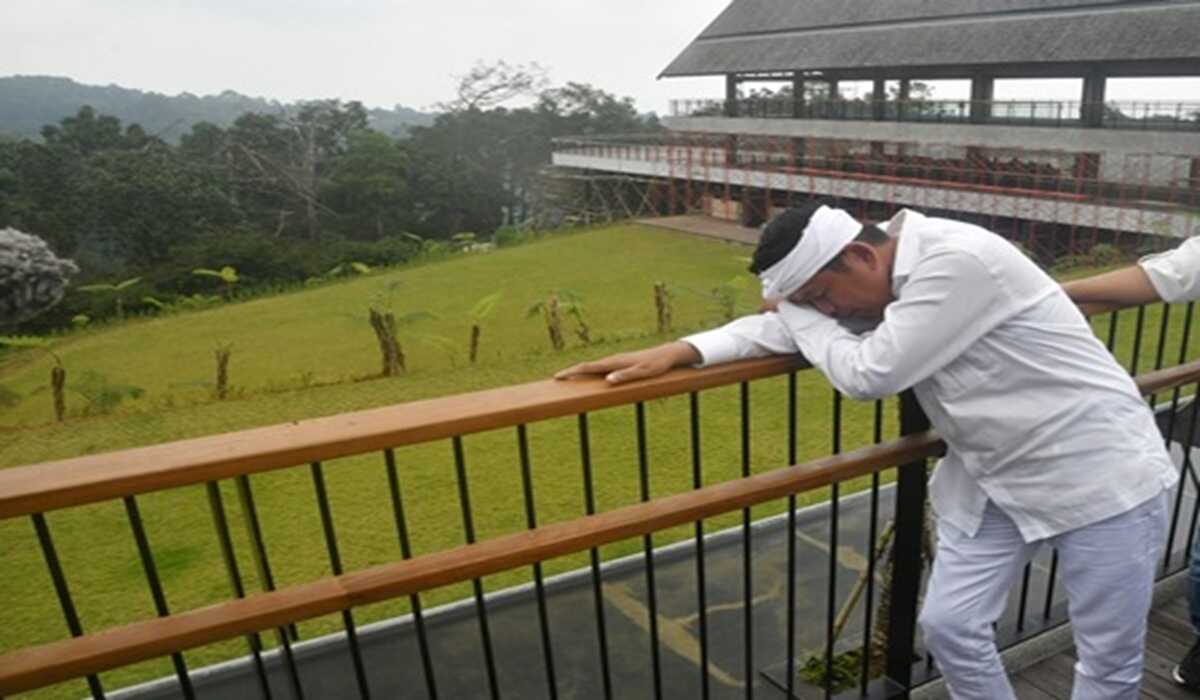
West Java Governor Dedi Mulyadi has stated that there will be no increase in Motor Vehicle Tax (PKB) and Vehicle Transfer Fee (BBNKB) for 2026.
“I guarantee and have committed from the outset that in 2026 there will be no increase in private vehicle tax in West Java. The PKB rate will remain as it was in 2025, and likewise the BBNKB will not change,” said Governor Mulyadi recently.
Mulyadi explained that maintaining existing rates is a strategy to increase public tax compliance. He believes it is better to expand the number of taxpayers than to raise rates, which often results in fewer people paying.
“Since I took office, I have been asked about this repeatedly. I have chosen not to raise taxes. It is better that many pay than for rates to increase whilst fewer actually pay,” he stated.
In addition to not raising private vehicle taxes, the West Java Provincial Government will also provide relief for vehicles with yellow number plates beginning 1 January 2026. For passenger transport, the tax rate which was previously 60 per cent in 2025 has been reduced to 30 per cent. Meanwhile, freight transport, which was originally subject to 100 per cent, is now 70 per cent.
The Head of the West Java Regional Revenue Agency (Bapenda), Asep Supriatna, noted that the policy has been formalised in a gubernatorial decision concerning the relaxation of vehicle tax surcharges and public transport vehicle tax rates, effective from the beginning of this year.
“The issue of vehicle tax increases has recently been widely discussed, particularly in Central Java. This relates to the application of surcharges or additional taxes as stipulated in Law Number 1 of 2022 on Financial Relations between the Central Government and Regional Governments, as well as Government Regulation Number 35 of 2023. In 2025, a surcharge of 13.94 per cent began to be implemented,” he emphasised.
However, Supriatna continued, the public received discounts during the January to March period, so the impact was not greatly felt. Entering 2026, when discounts are no longer applied, some residents are beginning to feel payment amounts that differ from the previous relaxation period.