
West Jakarta City Government Studies Pyrolysis Technology Implementation to Address Waste Issues
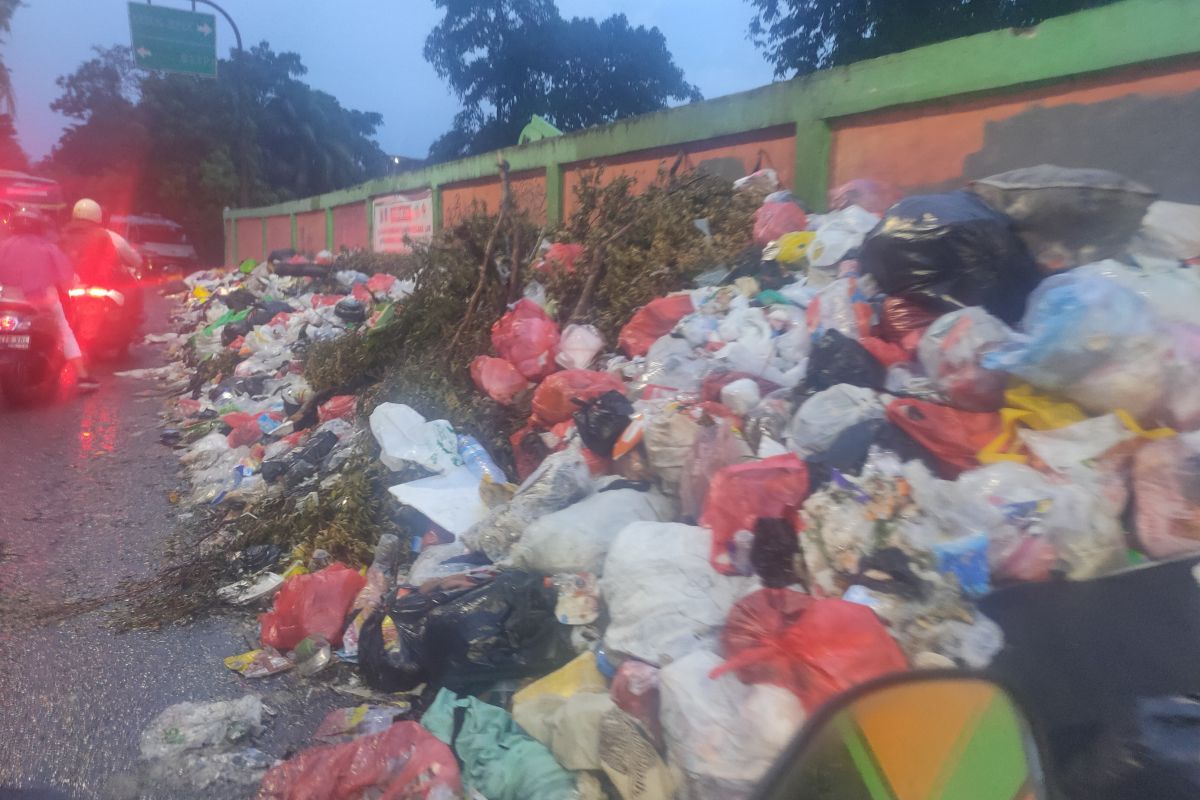
Jakarta (ANTARA) - The West Jakarta City Government (Pemkot Jakbar) is currently studying the implementation of pyrolysis waste processing technology to convert rubbish into economically valuable products. “The process is still under study and discussion, as it requires many instruments. We must also coordinate with the Environmental Agency as the leading sector for waste management,” said West Jakarta Mayor Iin Mutmainnah to ANTARA in Jakarta on Tuesday. Iin stated that the study process is important to clarify so that the implementation of the technology does not violate environmental regulations and applicable rules. “This means communication must be truly clear and clean in terms of documents, evidence, and instruments, ensuring it does not violate any provisions formally,” said Iin. Furthermore, the study is also necessary to ensure that the programme’s implementation is effective in addressing waste problems and is oriented towards the community. Iin added that creative financing is still being considered through partnerships with the private sector, so as not to fully burden the Regional Revenue and Expenditure Budget (APBD). “The hope is that we can carry out business-to-government arrangements with creative financing or development schemes that do not burden the APBD alone. In other words, without relying on the APBD, we can partner with the private sector. However, this certainly needs to be discussed in a more formal cooperation framework,” Iin concluded. In general, Iin explained that pyrolysis technology does not involve direct combustion (indirect combustion). The technology is considered environmentally friendly and capable of processing waste into economically valuable products. It works by placing plastic waste into a reactor (pyrolyser), then heating it without oxygen so that the polymer chains break and turn into vapour. The cooled vapour produces liquid (oil) and gas. The temperature can reach 400-700 degrees Celsius, so there is no direct combustion, but rather through heat propagation. For organic waste, the process takes 1.5 hours for 30 tonnes of waste. This pyrolysis technology is expected to address waste problems in the West Jakarta area. It is known that West Jakarta still faces a high pile-up of waste amounting to 807,966 tonnes per year. However, only 212,450 tonnes, or about 26 percent, is recycled each year. The Pemkot Jakbar has undertaken several efforts, particularly in socialising waste sorting and reorganising temporary waste collection points as solutions. The target is for only about 30 percent of waste residue to be transported to Bantar Gebang, while 70 percent is processed back locally.