
Weighing the Discourse on Hajj Ticket Trading: Between Policy Ijtihad and the Principle of Justice
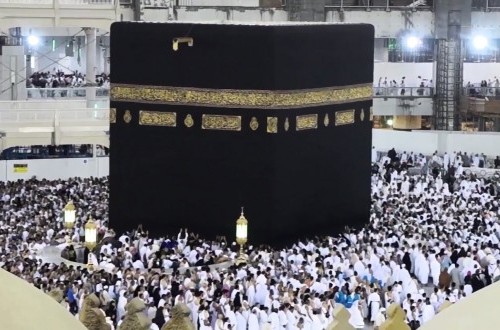
The discourse presented by the Minister of Hajj and Umrah, KH Mochamad Irfan Yusuf, regarding the potential implementation of a “Hajj ticket trading” mechanism has become an important discussion in efforts to find solutions to the lengthy Hajj queues in Indonesia. In principle, we always support every positive effort and programme by the government to enhance the quality of Hajj worship services. Efforts to seek breakthroughs are certainly part of our collective responsibility to provide the best service to the ummah. However, every public policy, especially those concerning worship and millions of people, needs to be examined in depth to ensure it remains aligned with the principles of justice, legal certainty, and the welfare of the ummah. The Discourse as Policy Ijtihad We view the idea of “Hajj ticket trading” as a legitimate form of policy ijtihad. In the context of the complex management of Hajj, room for innovation is indeed needed. However, that ijtihad must fulfil three main principles: 1. Justice (fairness) 2. Transparency 3. Broad welfare of the ummah As mandated by Law No. 14 of 2025 on the Organisation of Hajj and Umrah Worship, the state is obliged to guarantee services, guidance, independence, and to realise the civilisation and culture of Hajj and Umrah Worship by internalising orderly and just sharia values.