
Weak Rupiah-Makes Everything Expensive, After Rp4 Million Increase-House Prices Rising Again?
Jakarta, CNBC Indonesia - The rupiah has once again recorded its all-time lowest weakening, breaching the Rp17,500 per US dollar level during trading on Tuesday (12/5/2026). Several national banks have even started selling US dollars in the range of Rp17,500 to nearly Rp17,700.
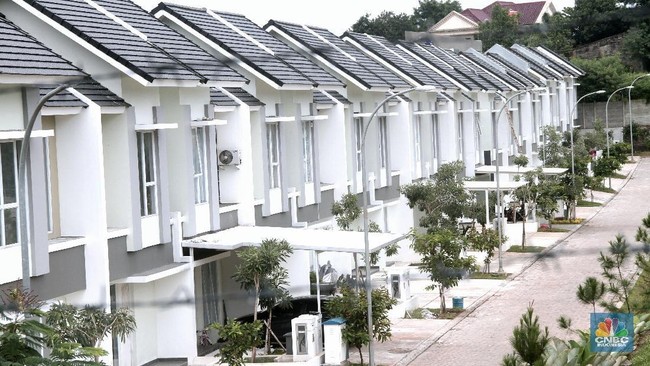
The exchange rate pressure is beginning to impact the national property industry. Property developers admit that the surge in the US dollar, fuel price increases, and global wars are making house construction costs increasingly expensive.
“At the time when the West Java Governor’s policy on mining was halted, we faced an increase of Rp4 million per house. Now, the impact from the war and fuel, the average increase in building materials is 15%,” said the Secretary General of the All-Indonesia Housing and Settlement Developers Association (APERSI), Deddy Indrasetiawan, to CNBC Indonesia on Tuesday (12/5/2026).
This cost pressure is directly felt in the construction of subsidised 35/60-type houses, which have long been one of the main markets for regional developers. The rise in construction costs is putting project margins under increasing strain.
Amid the surge in material prices, developers are also facing changes in payment patterns from building material suppliers. Several suppliers now require upfront payments before goods are delivered, particularly for more contested materials.
“Material increases. On top of that, some materials must be paid upfront before they are sent. Natural materials definitely upfront now. Because of the scramble,” said Deddy.
Several building materials that are starting to experience price pressure include furniture and ceramics. The rupiah’s weakening is also said to make the cost of certain materials heavier due to their links to imports.
Although construction costs are soaring, the residential property market has not shown significant recovery. House sales remain stagnant compared to last year because consumer purchasing power has not fully recovered.
“Sales are almost the same as last year, no significant increase,” said Deddy.
He also assessed that the impact of the rupiah’s weakening is hard to separate from the fuel price increase effect because they are happening simultaneously. Both factors are also driving up construction costs.
“This can’t be separated by us because it’s together with the fuel price increase,” he said.
As a note, citing Refinitiv data, today, Tuesday (12/5/2026), the Garuda currency closed 0.49% weaker at Rp17,490/US$. This position also marks the weakest closing level for the rupiah in recent history.
Throughout trading, the rupiah’s weakening deepened at times, breaching the psychological level of Rp17,500/US.TherupiaheventoucheditsweakestintradaylevelatRp17, 525/US.