
Wayang Orang Amid Digital Disruption and the Precarious State of Artists
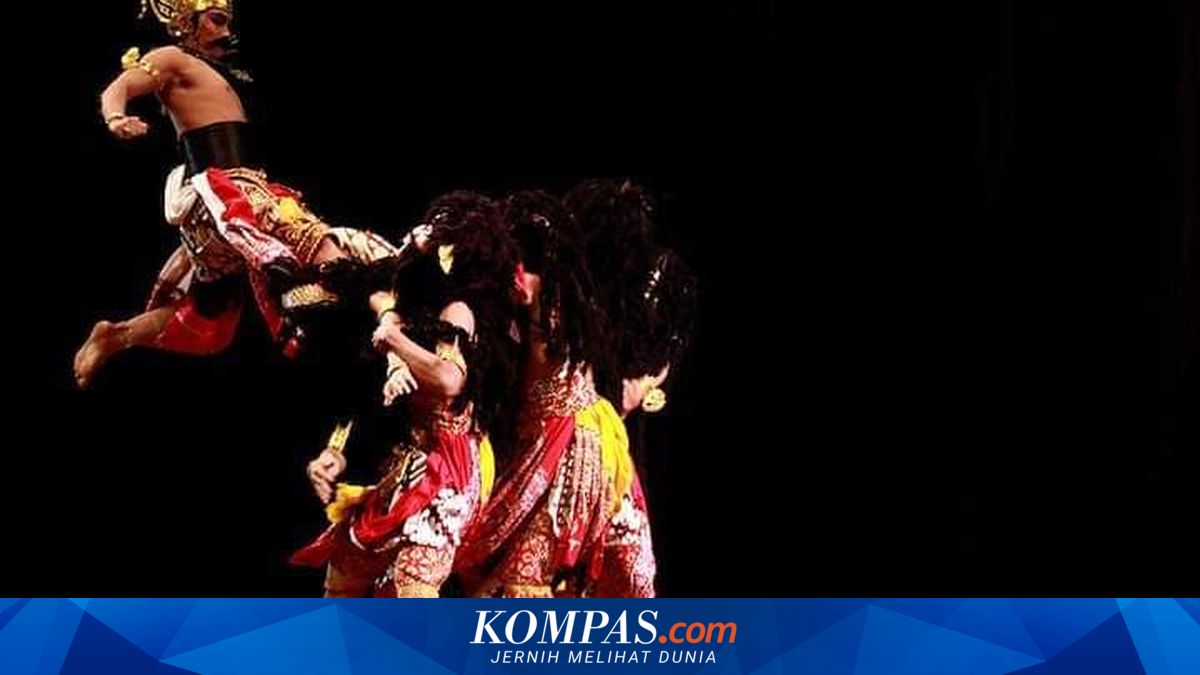
JAKARTA, KOMPAS.com - Amid the rapid tide of digital change altering how society consumes entertainment, wayang orang continues to endure as a traditional art form whose existence is actively preserved. Yet behind the enduring stage, numerous challenges persist, from shifting audience tastes to the precarious conditions of artists sustaining these performances. Cultural expert Asep Kambali views the current state of wayang orang as part of broader cultural shifts in the digital age. ‘The onslaught of disruption, I believe, has a significant impact on performing arts, particularly entertainment that can be accessed instantly,’ Asep said via WhatsApp on Monday (25 May 2026). Amid these challenges, Asep stresses that wayang orang should not be seen merely as entertainment but as a ‘living monument’ preserving the nation’s collective memory. ‘The living monument of our collective memory in wayang orang holds philosophical values and even Javanese identity, and indeed that of the archipelago as a whole,’ he said. ‘It speaks to our lives—socially, nationally, and as a state. The human DNA of conflict in wayang orang is always present: seeking truth, the role of leadership. These are issues today’s generations face,’ Asep added. However, he emphasises that the main challenge is not the story content but the delivery method, which must adapt to modern times. Today’s audiences have shorter attention spans, so performances must captivate from the outset to retain interest. Otherwise, younger generations accustomed to rapid social media formats may abandon performances midway. Beyond cultural relevance, Asep also highlights the precarious situation faced by traditional artists. He notes that the sustainability of wayang orang artists’ professions is precarious. ‘From today’s ecosystem perspective, the wayang orang artist profession is indeed in a precarious and challenging position,’ he said. Many artists end up seeking alternative livelihoods as the arts alone cannot fully sustain them. Asep stresses that preserving wayang orang cannot rely on a single party but requires collaboration among stakeholders, including government, private sector, media, and society. ‘They must fight even alone. They may need to elevate their status. Society, government, and stakeholders cannot stand idly by or leave them alone,’ he said. He also advocates placing wayang orang within the creative economy framework, including packaging it as a premium performance like opera abroad. Furthermore, Asep reminds that support for wayang orang must not be temporary or sympathy-based but built into sustainable systems. Cultural preservation must encompass broader aspects, from artist welfare, infrastructure, copyright protection, to integration with the tourism sector.