
Water Flows, Life Grows: Let Us Use Water Wisely!
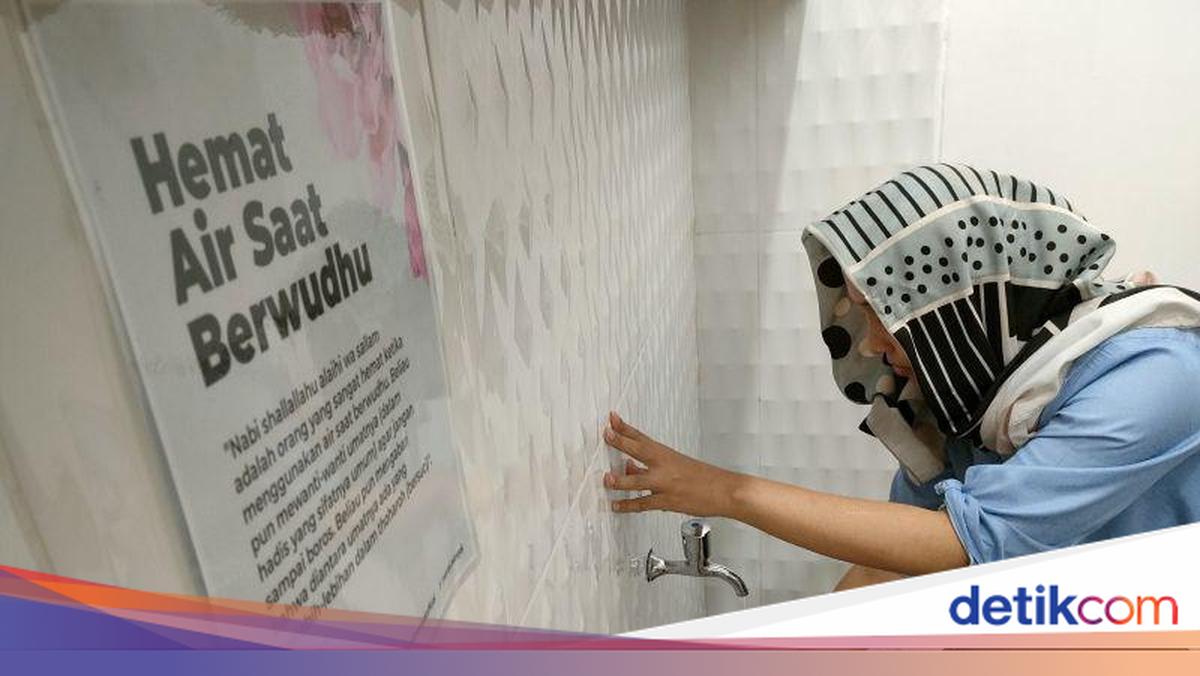
Morning routines for some people begin simply: turning on the tap, washing their face, making coffee, then carrying on with daily activities as usual. Water flows effortlessly, as if it is always readily available. However, in many parts of the world, water is not that straightforward. “For millions of people, their day instead starts with a long journey just to obtain water. They walk kilometres, carrying heavy containers, to ensure their families can cook, bathe, and drink that day,” stated Tim from the Indonesian Ministry of Communication and Digital Affairs (Komdigi), in a written statement on Sunday (22/3/2026). Globally, women and girls spend around 250 million hours every day just collecting water. While some take water for granted, for others, it is a struggle. Water: The Source of Life Water is the source of life. Without water, humans cannot survive, food cannot be produced, and public health is threatened. The world has actually made significant progress. In the last two decades, around 2.2 billion people have gained access to safely managed drinking water. However, the journey towards equitable access to clean water remains long. To date, more than 1.8 billion people worldwide still do not have direct access to drinking water in their homes. This means billions of people still have to fetch water every day to meet their most basic needs. From Water Crisis to Humanitarian Crisis The water issue is not just about the environment, but also about humanity. In many countries, women are the most affected. They bear the primary responsibility for collecting water for their families. When water access is difficult, their opportunities to learn, work, or even rest are taken away. Globally, more than 1 billion women still lack access to safe drinking water services. This situation makes the water crisis not only an environmental issue, but also one related to equality and social justice. In addition to clean water access, sanitation issues exacerbate this humanitarian crisis. Without adequate sanitation facilities, women are vulnerable to health risks, insecurity, and loss of dignity. The water and sanitation crisis are interconnected, creating a cycle of injustice that continuously hinders quality of life and the future. Clean water and sanitation are truly the main foundations of a decent life. When both are not fulfilled, the impacts extend far beyond physical health, touching on education, economy, and individual security. The absence of clean water makes proper sanitation impossible, while poor sanitation increases disease risks and deepens poverty. In such conditions, communities, especially vulnerable groups, can become trapped in a repeating cycle of crisis. This is what makes water and sanitation issues not merely technical, but the core of a humanitarian crisis concerning the right to life, dignity, and human future. Water and the Future of Children The availability of clean water determines the health of future generations. Unsafe water and poor sanitation still cause various preventable diseases. Every day, around 1,000 children under five years old die due to inadequate water, sanitation, and hygiene conditions. This figure shows that water is not just a household need, but also a crucial factor in saving the next generation. Where Water Flows, Equality Grows Every 22 March, the world commemorates World Water Day as a reminder that water is a basic human right. The global theme for 2026 emphasises one simple yet powerful message: ‘where water flows, equality grows’, where water flows, equality will grow. When water is safely and easily accessible, women have more time to learn and work. Children can go to school without having to help fetch water. Communities can live healthier lives. Well-managed water not only brings life, but also opens opportunities. Let Us Start with Simple Things Amid these global challenges, everyone can actually contribute. Using water effectively and efficiently may sound simple, but the impact is enormous if done collectively. Starting from small things like: • Not letting the tap run wastefully • Using water as needed when washing or bathing • Fixing pipe leaks • Raising community awareness about the importance of water. These small steps can help preserve water resources for future generations. Water Is the Future Often, we only realise the importance of something when it starts to become scarce. Water is one of the most precious gifts humans have. However, without wise management, this source of life could become a major crisis in the future. Using water effectively and efficiently is not just about saving. It is a form of our responsibility to ensure that water continues to flow—not just for today, but also for the future.