
Waste Volume Increases, Clean Ramadan Programme Returns to Istiqlal
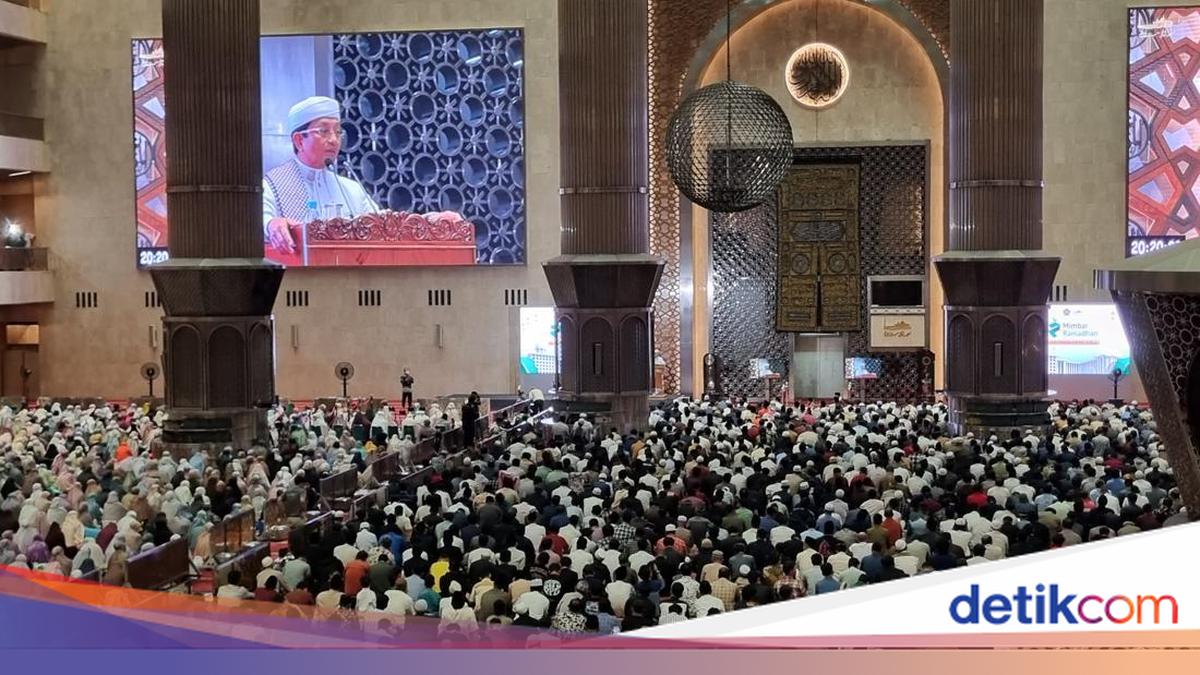
Ramadan is synonymous with increased activities at mosques, from worship to various communal events. However, behind the bustling activities, a new challenge emerges: the daily rise in waste volume generated.
The Ministry of Environment and Forestry (KLHK) estimates that the potential waste generation during the 2025 homecoming and Eid holiday period could reach approximately 73.24 million kilograms or 73,240 tonnes. This figure aligns with projections of a 10 to 20 per cent increase in food waste during Ramadan. These predictions are based on data from the Ministry of Transportation, which states that the number of homecomers this year will reach 146.8 million people.
In some regions, waste increases can even reach 40 per cent during Ramadan. The National Research and Innovation Agency (BRIN) cites the example of the Greater Bandung area during Ramadan 2025, which experienced a waste increase of up to 40 per cent. This rise is caused by excessive food servings, consumption of parcels, and the use of single-use eating utensils.
The Ramadan period is seen as an opportune time to implement the Green Religion concept, where environmental preservation is interpreted as part of worship.
BRIN researchers emphasise that religious teachings prohibiting excess and earth-damaging actions must serve as the foundation for changing consumptive behaviour. If this awareness is continuously promoted, effective waste management will not only occur during Ramadan but is expected to become a sustainable daily lifestyle that benefits the environment and society at large.
In addressing this challenge, Duitin in partnership with Unilever Indonesia has been running the Clean Ramadan programme since 2024 at Istiqlal Mosque in Jakarta. The programme aims to educate and encourage the public to be more concerned with waste management during the holy month.
The Clean Ramadan programme has introduced various initiatives, from daily recyclable waste collection to providing waste stations and drop boxes. In addition, the programme offers direct education on waste sorting to worshippers.
Education for the public on the importance of waste sorting has been consistently carried out by Unilever Indonesia for more than 20 years. Besides this activity, one of its efforts is through waste bank communities. By 2026, Unilever will have partnered with 5,000 waste banks spread across 13 provinces in Indonesia.
The collected waste will then be channelled to recycling management partners so it can be reused. By participating in the Clean Ramadan movement, the public can help maintain the mosque’s cleanliness while contributing to more sustainable waste management.