
Waste Volume in Central Java Increases During Eid Holiday
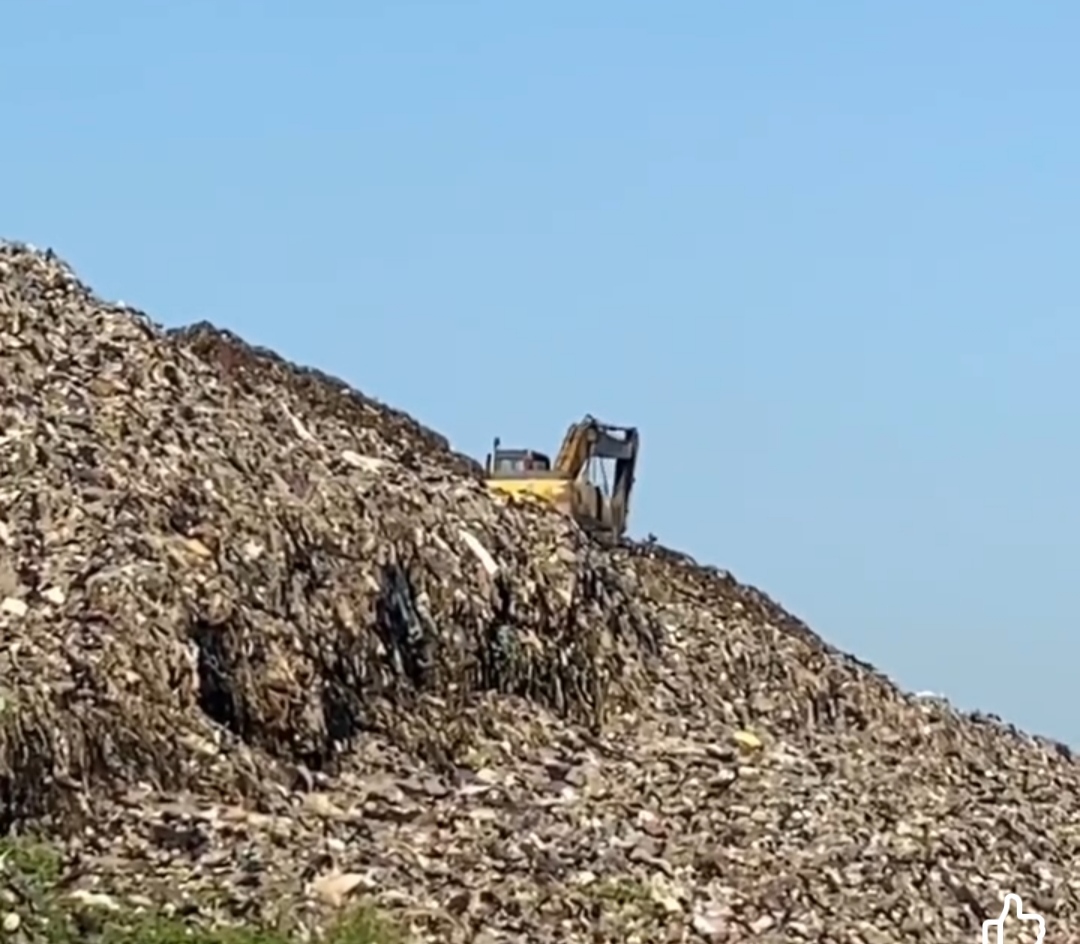
Post-Eid holiday, as returning migrants settled back into their distant homes, Central Java not only experienced an economic boost from increased money circulation but also left behind substantial waste piles that rose 20-100% in various areas. Media Indonesia’s monitoring on Monday (30/3) showed that conditions in several Central Java regions had returned to normal following the end of the Eid holiday period. Vehicle traffic on roads decreased significantly, leading to smooth flow, tourist destinations became quiet, and office and school activities resumed. However, this was not the case at several final disposal sites (TPA) for waste across regions, where piles of rubbish were seen mounting due to the drastic increase in volume during the Eid holiday from 14-29 March 2026. “We were quite overwhelmed handling the waste volume during the Eid holiday, which rose to 13 tons per day in this area,” said the Head of the Environmental Conservation Division of the Semarang Regency Environmental Agency (DLH), Eka Yulianti. According to Eka Yulianti, under normal conditions, the amount of waste entering the Blondo Bawen TPA averages 280 tons per day, but during the Eid holiday, it increased to an average of 293 tons per day, dominated by waste from households and traditional markets. The Head of the Batang Regency Environmental Agency, Rusmanto, stated that the waste surge phenomenon reached up to 100% during the Eid holiday. “Under normal conditions, the average waste amount in this area is around 150 tons per day, but during the Eid holiday, it rose to 300 tons per day,” he added. The Secretary of the Kendal Environmental Agency (DLH), Syaiful Huda, similarly noted that the Eid holiday momentum triggered a 30% spike in waste volume compared to usual days. This presented a particular challenge for environmental cleanliness amid high community activities during the celebration. “The waste surge was felt starting from H-5 before Eid, coinciding with the mudik (homecoming) traffic, mainly from homes, with increases fairly even across several temporary disposal sites before transport to the TPA,” said Syaiful Huda. The Head of the Central Java Provincial Environmental and Forestry Agency (DLHK), Widi Hartanto, confirmed the waste increase during the Eid holiday, averaging 8,850 tons per day, so to address the accumulation, teams were deployed to inspect locations such as terminals, stations, and rest areas. The rise in waste volume, explained Widi Hartanto, was mainly caused by high household consumption and economic activities during the holiday, as well as waste from migrants stopping at various points in Central Java, thus waste management was intensified. “Before the Eid holiday, the provincial DLHK and regency/city levels across Central Java also conducted a series of awareness campaigns so that migrants could manage the waste they produced during their journeys or at their hometowns,” he added.