
Waste Transport to Bantargebang Integrated Waste Processing Site Targeted to Normalise This Week
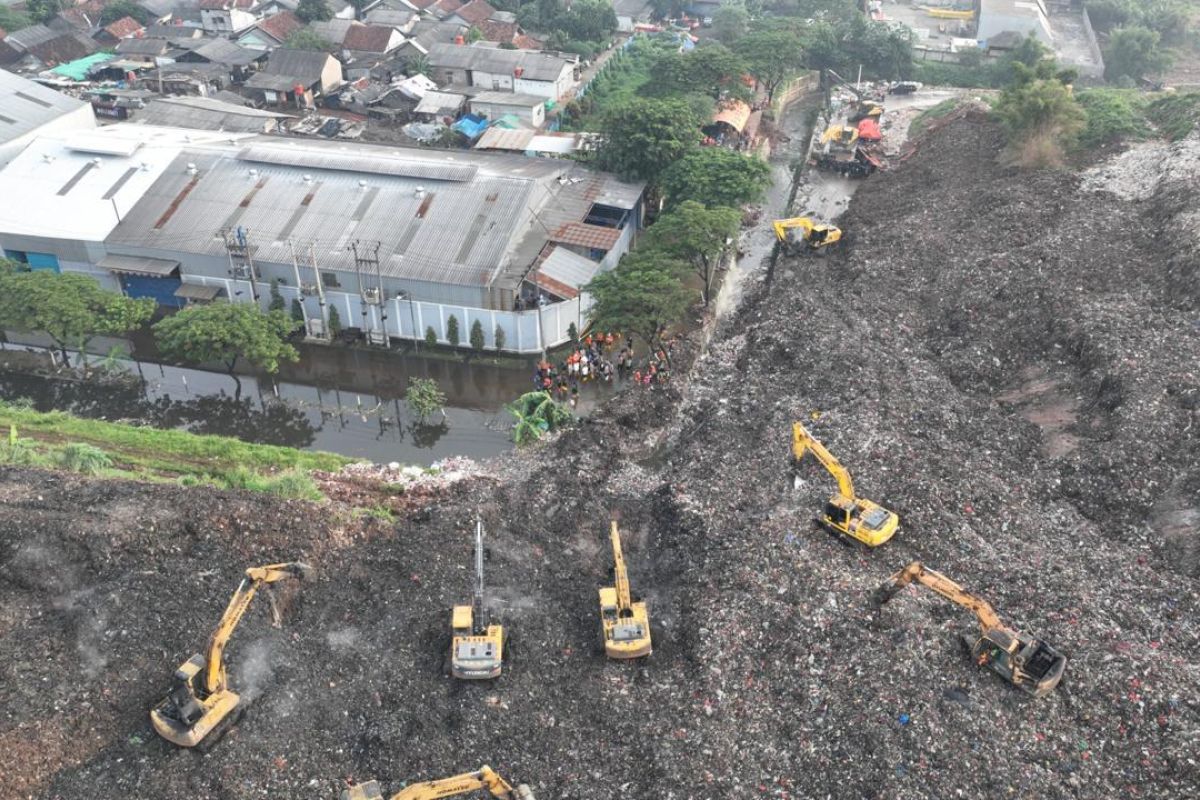
Jakarta (ANTARA) - The Jakarta Environmental Agency (DLH) targets the operational transport of waste to the Bantargebang Integrated Waste Processing Site (TPST) to return to normal within this week. Head of DLH Jakarta, Asep Kuswanto, stated that remaining waste following the Eid al-Fitr return is also being addressed promptly and distributed to processing facilities, including TPST Bantargebang and the RDF Plant. “We are committed to accelerating waste handling within the city to avoid causing discomfort to residents. All DLH personnel continue to work at maximum capacity to restore conditions quickly and ensure optimal waste transport services,” said Asep in Jakarta on Thursday. Asep acknowledged that waste accumulation at several points in the city occurred due to the Eid holiday and the impact of a landslide incident at TPST Bantargebang. “Following Eid and the landslide at TPST Bantargebang some time ago, waste has piled up at several points in the city. We do not hide this situation and extend our apologies to the public for the inconvenience caused,” Asep stated. As one of the handling measures, DLH Jakarta is implementing transport time scheduling (shifting) to prevent truck queues and congestion in the area and access routes to the site. Additionally, there are no restrictions on waste delivery quotas; instead, the distribution process is optimised through structured work systems and more measured waste truck shifts. Currently, waste transport is divided into three shifts per day to make the delivery flow smoother and minimise vehicle queues. With this pattern, DLH ensures that the waiting time (dwelling time) for waste trucks remains controlled, not exceeding three hours. In addition to maintaining operational efficiency, this step is also part of efforts to protect the safety and health of drivers. “We want to ensure that drivers work in safe and orderly conditions, while maintaining the smooth operation of waste transport,” said Asep.