
Waste Sorting in Jakarta Deemed to Require Comprehensive System Overhaul
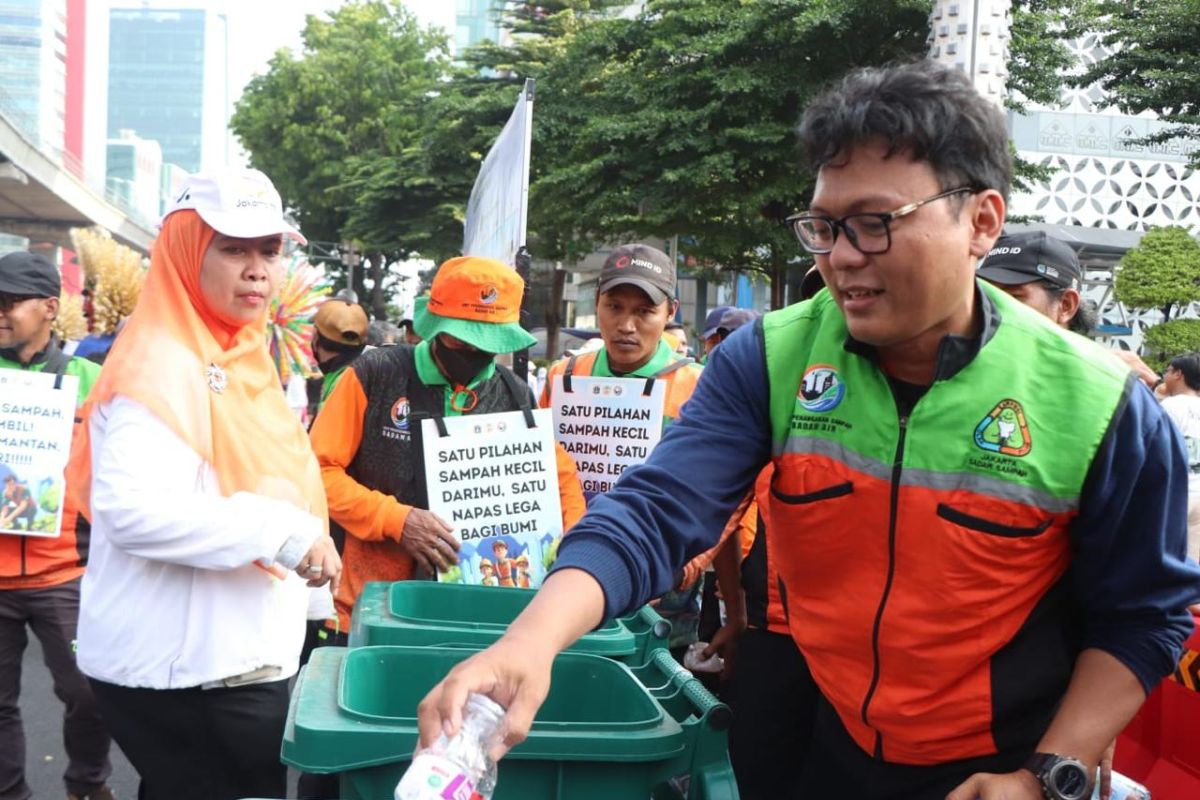
Jakarta (ANTARA) - Urban planning expert Yayat Supriyatna believes that the waste sorting programme in Jakarta will not operate effectively without fundamental changes to the overall waste service and management system.
According to him, waste sorting must begin at the household level with arrangements for collecting separated waste based on type, day, and collection time.
“Waste sorting in Jakarta will not be effective if the fundamental changes to the services have not yet been managed optimally,” said Yayat in Jakarta on Monday.
He explained that the public has so far been accustomed to disposing of organic and inorganic waste together.
However, both types of waste must be separated from the outset to ensure optimal management.
Yayat also highlighted the ongoing frustration among the public because waste that has been sorted at home is often mixed again during the collection process.
Therefore, he suggested that the government provide rubbish bags in different colours to help the public sort waste from home.
Yayat added that waste sorting steps also need to start from the school environment. According to him, schools can serve as places to form new habits for students in sorting and managing waste.
Besides schools, he urged the government to set an example directly by implementing waste sorting in government offices, including the governor’s office and departmental offices.
“If the government offices do not set an example, it seems as if the rules are only for the public,” Yayat stated.
He also encouraged ongoing campaigns through social media, the establishment of pilot areas, and the provision of awards for neighbourhood units (RT and RW) that successfully manage waste well.
Waste management, he said, cannot rely solely on appeals but requires concrete steps, from socialisation and provision of facilities to training for waste collection staff so that the sorting process remains intact until the final processing stage.