
Waste Management Problems Due to Unsustainable Policies
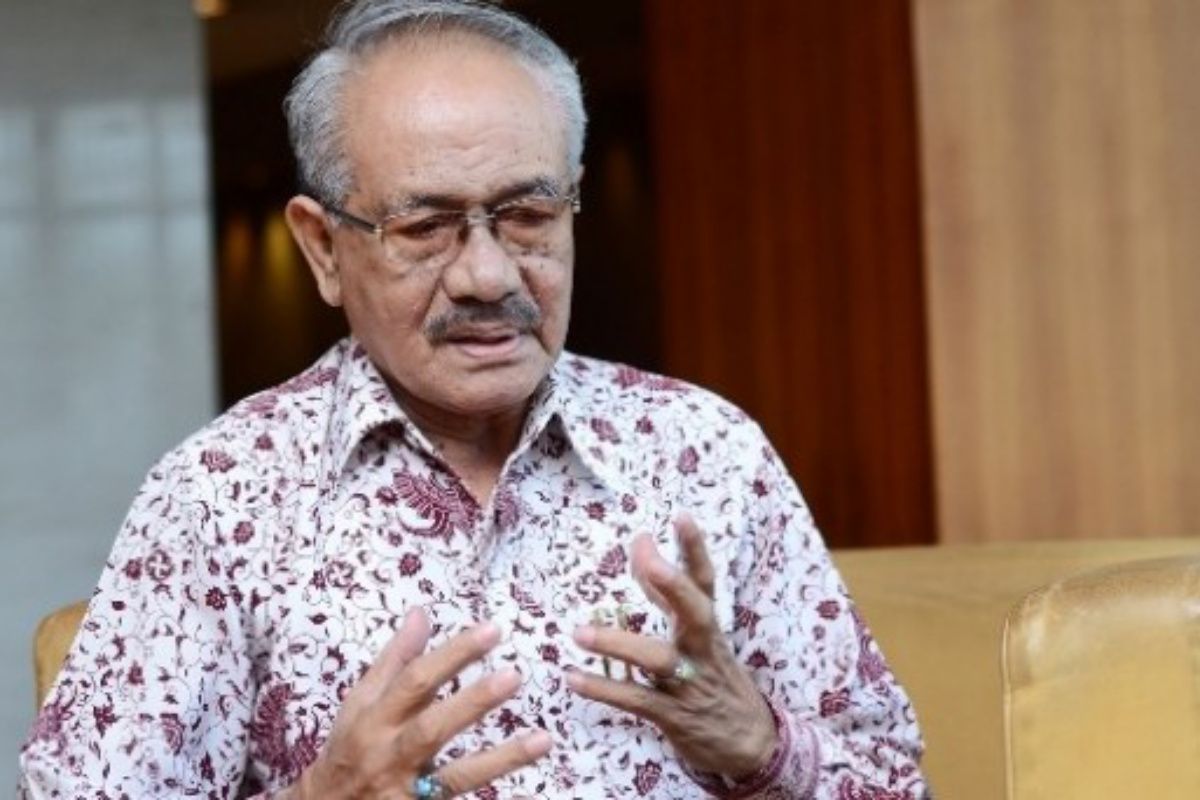
Jakarta (ANTARA) - Executive Director of Budgeting Metropolitan Watch Amir Hamzah stated that the waste management problems in DKI Jakarta are an accumulation of policies that were not designed sustainably from the outset.
“Waste management was not built with sustainable planning from the beginning. As a result, the policies run partially,” said Amir in his statement in Jakarta on Tuesday.
Amir explained that in 2008, the DKI Jakarta Provincial Government signed a 15-year waste management contract with two companies, namely PT Godang Tua Jaya and PT Navigat Organic Energy Indonesia (NOEI). The contract runs until 2023 and focuses on waste management at the Integrated Waste Processing Site (TPST) Bantar Gebang.
In that scheme, continued Amir, the DKI Provincial Government is also required to provide Waste Processing Sites (TPS) in every city area and allocate regional capital participation (PMD) to two regional-owned enterprises, namely Perumda Sarana Jaya and PT Jakarta Propertindo (Jakpro), for land acquisition.
However, in the midst of the contract implementation, there was a unilateral termination against PT Godang Tua Jaya during the leadership of DKI Jakarta Governor Basuki Tjahaja Purnama (Ahok). Meanwhile, PT NOEI continued its operations.
“Even though both companies are under one contract with different functions. One handles transportation, the other processes into electricity. When part is terminated, the system becomes incomplete,” he said.
As a result, according to Amir, waste management policies lose systematic direction. The Intermediate Treatment Facility (ITF) project in Sunter, which was expected to be a solution, is also considered to have failed to materialise to this day.
On the other hand, the use of Regional Capital Participation (PMD) funds also raises legal issues. He mentioned the case at Perumda Sarana Jaya which implicated several parties until it was legally processed, as well as land acquisition in Rorotan which is now under the spotlight of law enforcement agencies (APH).
Not long ago, continued Amir, the former Head of the DKI Jakarta Environmental Agency has also been named a suspect. He assessed that law enforcement steps should have been taken more firmly from the beginning.
“The suspect designation should have been done before the position change, so that it becomes a lesson for other officials,” he said.
Amir reminded that if not handled seriously, waste issues have the potential to become a major burden or curse for the DKI Jakarta Provincial Government in the future.
For that reason, he urged DKI Jakarta Governor Pramono Anung to request the Financial Audit Board (BPK) RI to immediately conduct a comprehensive investigative audit. Because BPK can assess the potential for financial losses to the region or state.
Several things that need to be audited, said Amir, include the termination of the contract with PT Godang Tua Jaya and PT NOEI, the failure of the Sunter ITF project, and the use of capital participation funds to regional-owned enterprises.
In addition, he also highlighted the potential for new problems related to the Bantar Gebang area. He mentioned that there is a plan to develop land needs by the Indonesian National Armed Forces (TNI) in the surrounding area which could impact Jakarta’s waste management policies.
“If the land around TPST Bantar Gebang changes function, this could become a new problem for the DKI Provincial Government in the long term,” he said.