
Waste Management Governance: Interior Minister Emphasises the Importance of Regional Leadership
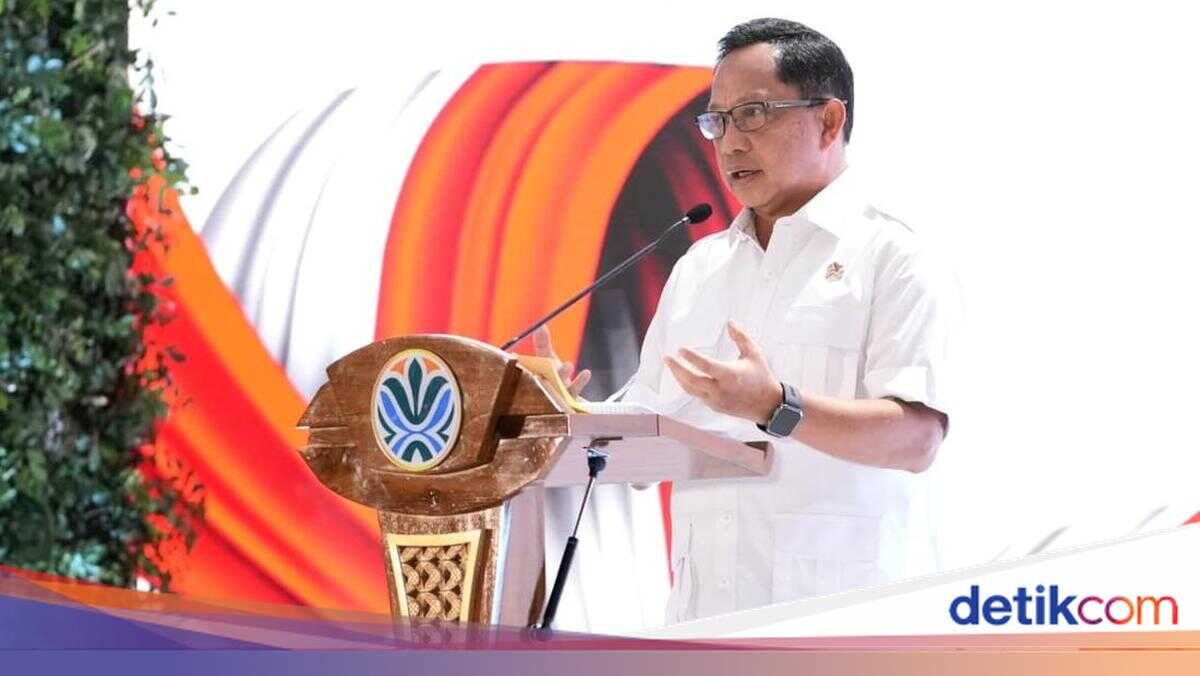
Interior Minister Muhammad Tito Karnavian has affirmed that waste management in urban areas requires a robust downstream-upstream approach, coupled with firm leadership from regional leaders. Without both elements, waste accumulation at final processing sites (landfills) is inevitable.
Tito explained that the upstream-downstream approach is relatively effective in rural areas with strong social cohesion. However, in major cities such as Jakarta, Surabaya, and Bandung, the downstream-upstream approach is a more realistic option.
In this context, the public generally only collects waste in bins or holding areas. Tito stressed that the task of regional governments is to ensure collection occurs rapidly and consistently through a solid and well-managed sanitation workforce.
Tito also reminded that the success of waste management governance is heavily dependent on the leadership of regional heads in mobilising and supervising their teams.
“This sanitation workforce is very dependent on the leadership of the regional head, their care and passion. Those without passion just don’t care,” said Tito in a written statement on Wednesday (25/2/2026).
He made the remarks during his keynote address at the 2026 National Coordination Meeting (Rakornas) on Waste Management at Balai Kartini Building, Jakarta, on Wednesday (25/2).
In his remarks, Tito cited the success of Jakarta’s sanitation workforce, which operates from early morning. He also highlighted the experience in Palembang, which has maintained a clean city through effective supervision.
To strengthen operational control, Tito encouraged the use of technology such as closed circuit television (CCTV) to monitor waste hotspots, including river blockages and densely populated areas. With such a system, regional heads can quickly instruct their teams to accelerate cleaning efforts.
Tito further explained that without supervision and a disciplined system, the downstream approach will only shift problems to landfill sites and create large-scale waste accumulation.
On this occasion, Tito emphasised the importance of aligning regional programmes with national policy on converting waste into energy. Regional governments were asked to focus on building collection networks and preparing land, whilst processing technology is aligned with central government policy.
“Regional governments only need to build networks to collect, encourage communities to gather waste in bins and transport it to designated locations. The government and regional authorities should prepare the land for incinerators and other facilities,” he concluded.