
Waste Islands Off Jakarta’s Coast Pose Real Threat to Ecosystems and Fishermen
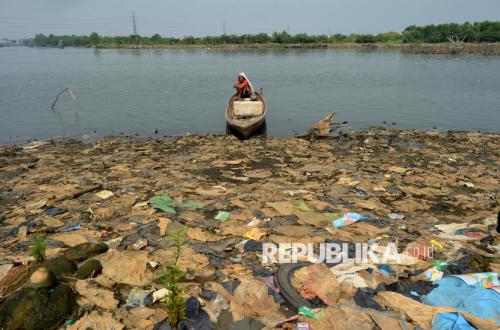
Jakarta is once again facing a waste crisis along its coastline. Accumulated rubbish settling in several bodies of water has formed expanses resembling ‘waste islands’, which not only spoil the scenery but also threaten the sustainability of the marine ecosystem and the activities of coastal communities. Personnel from the Kepulauan Seribu Environmental Sub-agency, together with the Water Body Waste Handling Unit, continue to clean up the sedimented rubbish carried by currents from the mainland. Dozens of officers have been deployed to remove various types of waste, ranging from single-use plastics and household refuse to other materials accumulating in sedimentation areas. The existence of these waste islands is an indicator of the persistently high volume of rubbish entering rivers and flowing into the sea. During the rainy season or when river discharge increases, waste from upstream areas is easily swept by currents all the way to Jakarta’s coast. The resulting impact is not limited to environmental pollution alone. The rubbish piles can inhibit the growth of marine life, damage coastal habitats, and disrupt the activities of fishermen who depend on marine resources for their livelihoods. Furthermore, plastic waste that breaks down into microplastics has the potential to enter the food chain and endanger human health. The clean-up efforts undertaken by the government are an important step towards reducing the impact of pollution. However, tackling coastal waste cannot rely on clean-ups alone. Better waste management at the source, increased public awareness, and a strengthened waste processing system in urban areas are essential. The phenomenon of waste islands off Jakarta’s coast serves as a reminder that the waste problem is a shared responsibility. Without behavioural change and sustainable management, rubbish will continue to flow from the land to the sea, worsening coastal environmental conditions in the future.