
Waste Becomes Forbidden: Religious and Moral Imperatives on Waste Management in Indonesia
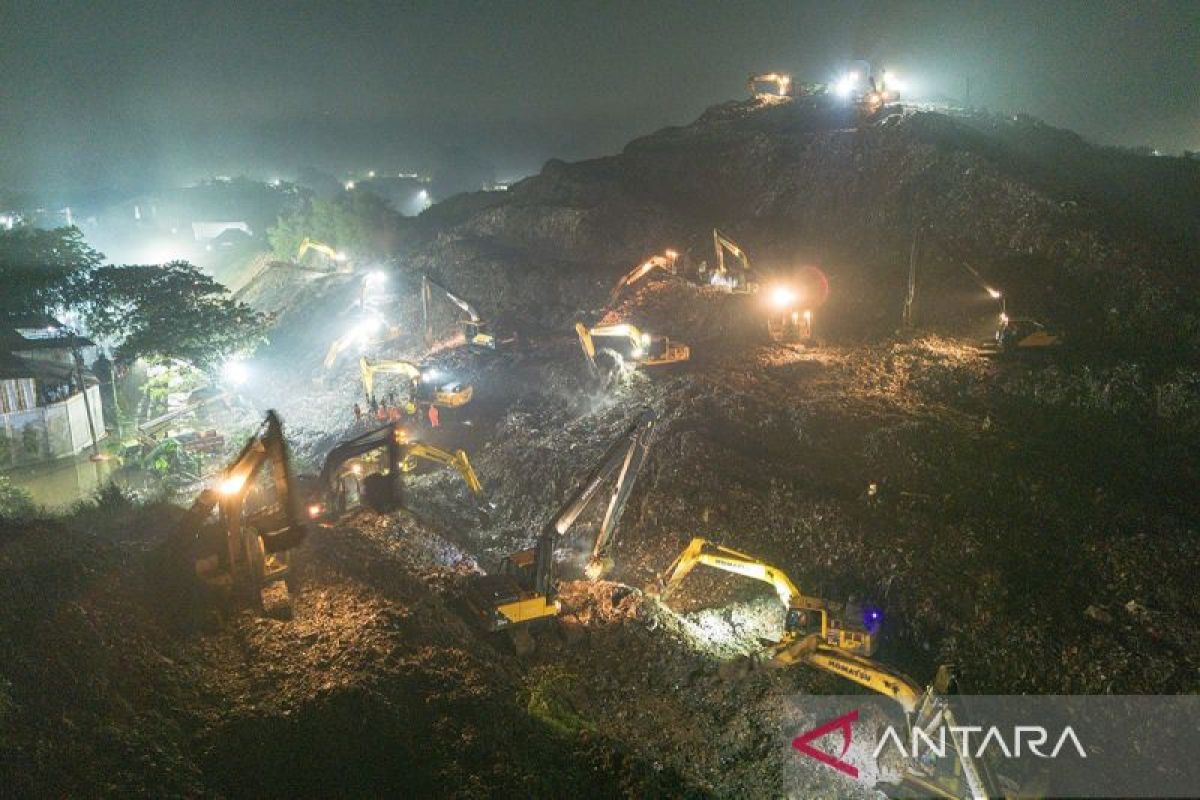
Jakarta — A collapse at the Integrated Waste Processing Site (TPST) Bantar Gebang claimed lives during Ramadhan, serving as a stark reminder that the waste we discard daily can transform into catastrophe.
The waste heap at Bantar Gebang originates from habits we consider trivial: plastic discarded into drainage systems or rubbish bags thrown into rivers. Few attempt to manage or recycle it, even for simple purposes such as composting for household plants.
Waste merely relocates—from homes to rivers, from rivers to seas, eventually accumulating into massive heaps like those at Bantar Gebang.
Paradoxically, this pattern persists in a society known for religious observance. Mosques overflow during Ramadhan, religious study circles proliferate, yet drainage systems around homes frequently remain receptacles for plastic waste.
Here lies our paradox: a population diligent in worship yet careless in waste disposal.
Yet from a religious perspective, this issue is not straightforward. It is not merely a matter of urban cleanliness but of moral principle.
Moral transgression
The Indonesian Ulama Council (MUI) has explicitly affirmed that indiscriminate waste disposal is forbidden under Islamic law. Through Fatwa Number 6 of 2025 on Guidelines for Waste Management in Rivers, Lakes, and Seas, approved during the MUI’s 11th National Consultation, scholars reiterated humanity’s responsibility as guardians of Earth.
This fatwa extends Fatwa Number 41 of 2014 concerning waste management to prevent environmental degradation. In other words, both morally and religiously, the prohibition against environmental destruction has long been established.
The theological foundation is clear. The Quran describes mankind as khalifah fil ardh, guardians of Earth (QS Al-Baqarah [2]: 30). Another verse warns against casting oneself into ruin (QS Al-Baqarah [2]: 195).
Yet social reality reveals something different. Indonesia does not lack regulations. Law Number 18 of 2008 on Waste Management exists. Regional governments have various related regulations, and religious scholars have even issued fatwas. In practice, these frequently remain merely documents.
These various provisions often stall at the level of discourse. They have yet to become embedded as social practice.