
Warteg Establishments Proliferate in Jakarta, Where Motorbike Taxi Drivers and Office Workers Sit Together
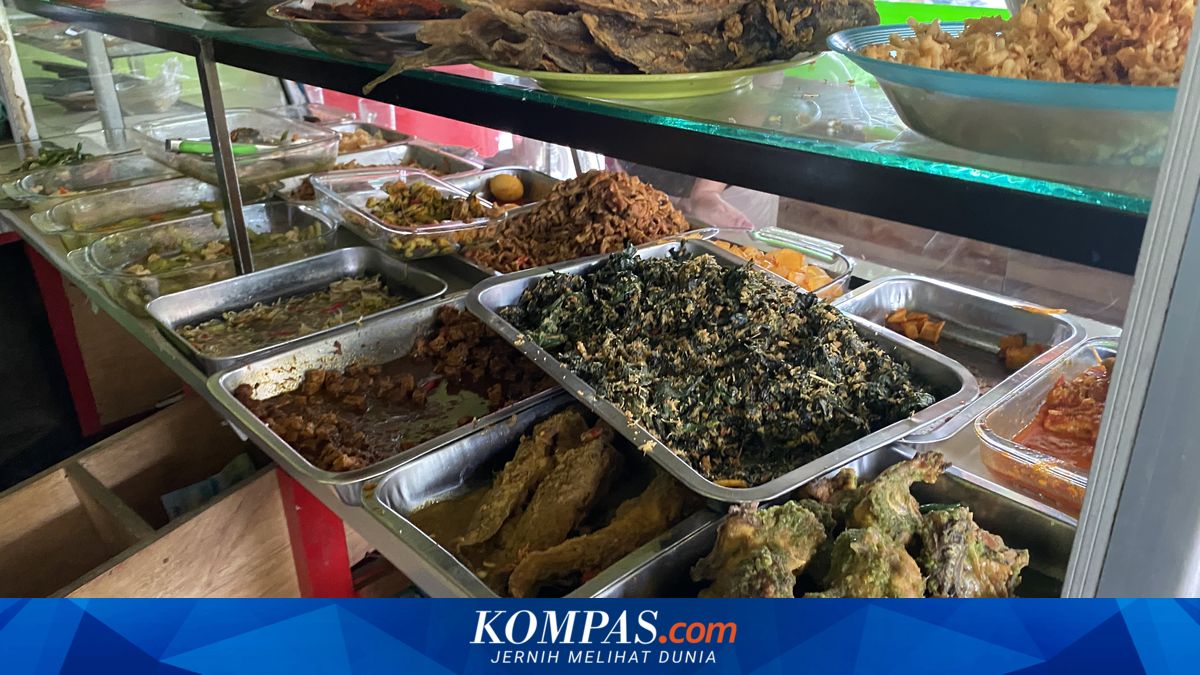
The midday sky in the Juanda area of Central Jakarta was scorching as rows of simple eateries with glass display cases lined the roadside. Rows of warteg with simple glass display cases are now increasingly easy to find in various corners of Jakarta. Behind the glass, golden to reddish dishes are neatly arranged: fried tempeh, fried chicken, spicy fish, and steaming vegetable stew. On the narrow long benches, people sit closely packed together. An online motorbike taxi driver in a worn green jacket eats quickly while occasionally glancing at his phone. Scenes like this are now increasingly common in various parts of Jakarta. Warteg, or Warung Tegal, are not only surviving but proliferating in a city that is becoming more modern and expensive. In areas like Juanda, Gondangdia, and Manggarai, warteg are present on nearly every strategic street. The distance between them is sometimes just a few dozen metres, yet they remain crowded with customers. This phenomenon is more than just about cheap cuisine. Warteg have become part of the city’s pulse, serving as places to eat, rest stops, and social spaces that bring together various layers of society. Behind the simple glass display cases, there are stories of survival, business strategies, and urban economic dynamics. That afternoon, H. Maman (45) stood behind the display case of his warteg in the Juanda area. His hands deftly rearranged the dishes that had started to dwindle after the lunchtime rush. Since early morning, activity at his warteg had begun. He opens the eatery at 6:00 a.m., targeting breakfast customers such as online motorbike drivers and early morning workers. “The busiest time is lunchtime, from 11:30 a.m. to 2:00 p.m. Office workers all come out,” said Maman when met by Kompas.com on Wednesday (22/4/2026). In a day, his warteg can sell 70 to 90 portions of food on weekdays. If it’s quiet, the number drops to around 50 portions. The thin profit margins require owners to skilfully balance price and quality. Rising prices of staple ingredients pose the main challenge. Maman admits he doesn’t dare to raise prices immediately. Instead, he adjusts the portion sizes of the dishes. “The key is not to skimp on the rice. If the rice is insufficient, customers won’t return,” he said. The proliferation of warteg in one area creates inevitable competition. In Juanda, warteg can be found at almost every street corner. However, according to Maman, the abundance of competitors doesn’t always mean a threat as long as quality is maintained. “If the taste drops even slightly, customers switch,” said Maman. The strategy he applies is simple: menu variety and cleanliness. Every morning, he prepares more than 20 types of dishes so customers have plenty of choices. Additionally, he ensures the eatery remains clean, something that customers are increasingly paying attention to. A similar story emerges in Gondangdia. Nur (52), the family warteg manager, faces the same situation. In an area filled with small offices, her warteg can sell 100–150 portions per weekday. Her turnover can even reach Rp1.5 million. “Warteg profits are small. We sell cheaply, so it has to be busy to make a profit,” said Nur when met in person. When staple ingredient prices rise, Nur chooses to adjust the menu composition. She increases dishes based on tofu, tempeh, and vegetables when chicken prices soar. Portions are also regulated to remain balanced without making customers feel shortchanged.