
Warsi supports multi-stakeholder synergy to preserve the Bukit Tigapuluh landscape
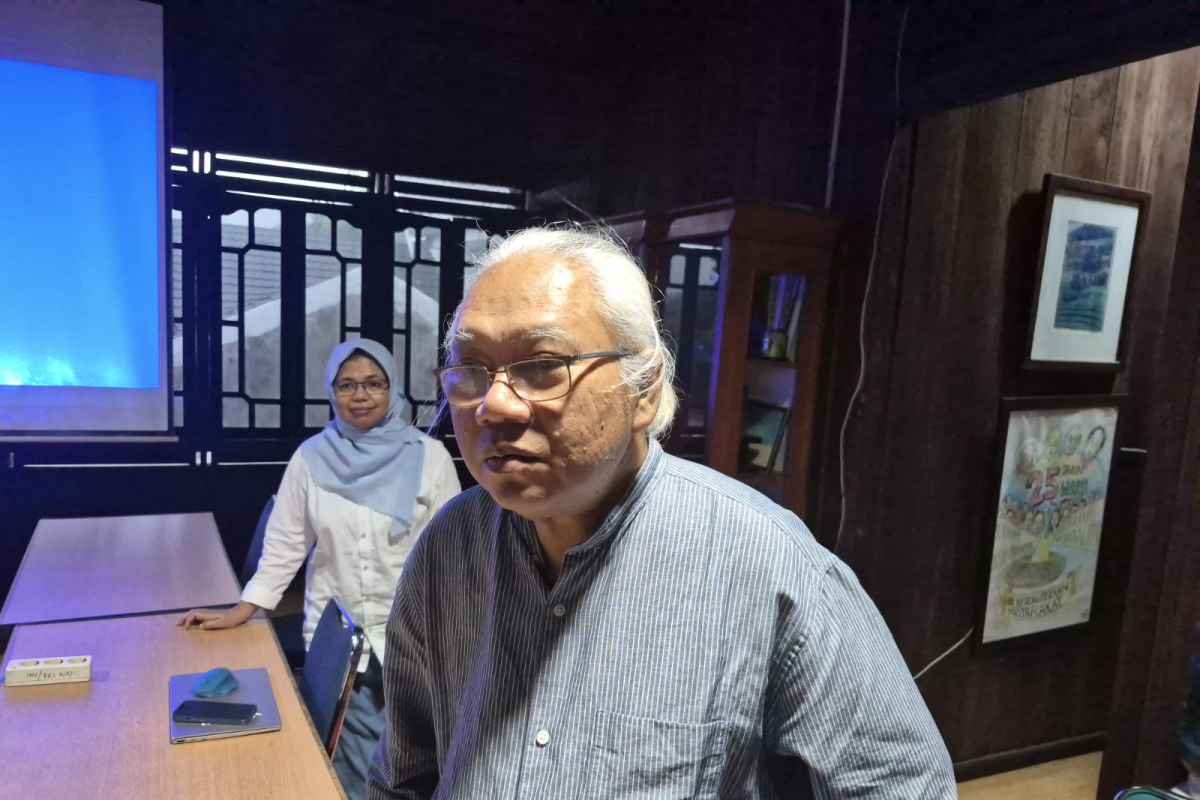
Jambi City (ANTARA) - The Indonesian Conservation Community (KKI) Warsi supports synergy involving multiple parties as an effort to preserve the Bukit Tigapuluh landscape in the Bukit Tigapuluh National Park (TNBT) area. KKI Warsi’s Programme Manager for Communication and Information, Rudi Syaf, in Jambi on Thursday, stated that this collaborative work involves various parties, stemming from concern for environmental preservation through conservation efforts. “It’s called the Bukit Tigapuluh Collaboration Platform. It aims to invite all parties in the Bukit Tigapuluh landscape to care about the condition of forest cover inside the national park and outside it,” he said. He explained that the collaboration programme will involve several parties, including communities in the Bukit Tigapuluh landscape. Good practices to be implemented include protecting how elephants in the landscape can survive and interact positively with humans. “There are communities, how communities can prosper and how elephants can survive, interacting positively with humans. But it’s like a discussion forum, called the Bukit Tigapuluh Collaboration Platform,” he clarified. Previously, the Head of the Jambi Natural Resources Conservation Agency (BKSDA), Himawan Sasongko, stated that the Bukit Tigapuluh landscape is one of the lowland and hilly forest areas in Jambi Province. The area covers two districts, namely Tebo and Tanjung Jabung Barat, with an area of approximately 270,000 hectares. This area plays a strategic role in biodiversity conservation and is an important habitat for key endangered species. It houses about 10 per cent of the lowland Sumatran elephant population, 10 per cent of the wild Sumatran tiger population, as well as Sumatran orangutans living and developing in their original habitat (reintroduction) sites. This situation threatens the natural capacity of the landscape as a habitat for key and iconic Sumatran species. He assessed that joint efforts are needed to improve landscape governance so that it can become a conducive shared living space. In addition, it can maintain the presence of these iconic Sumatran animals in good condition and with stable populations in the long term. However, these efforts require positive roles or contributions from all parties, especially central and local governments, local and national conservation and social activists, as well as academics. Then, the managers of the area at the grassroots level, both private companies and communities within and around the landscape.