
Warren Buffett's View on Cash: Not an Ideal Asset
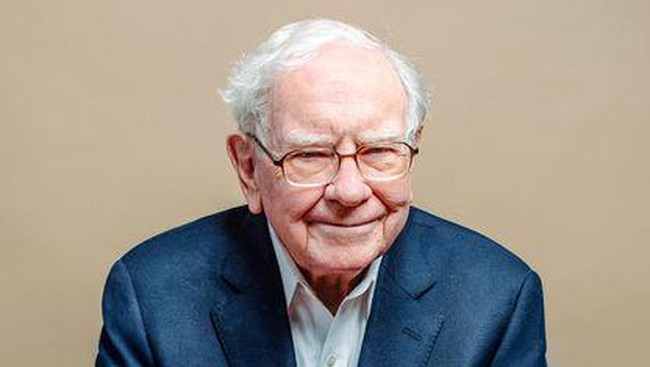
Jakarta, CNBC Indonesia – Renowned investor Warren Buffett has reiterated his position on cash reserves. Whilst important to hold, he maintains that cash is not an ideal investment asset for the long term.
When Buffett stepped down as CEO of Berkshire Hathaway in late 2025, the company maintained substantial cash reserves. Berkshire reported more than US$370 billion in cash equivalents on its year-end balance sheet, predominantly held in Treasury Bills.
In an interview with CNBC International’s Becky Quick, featured in the documentary “Warren Buffett: A Life and Legacy”, Buffett stated that the size of these cash holdings was not solely due to his becoming more conservative in his later years. Rather, he assessed that the external market environment made it difficult to identify suitable investment opportunities to deploy the cash reserves.
“It is more due to external conditions,” Buffett remarked.
Buffett expressed his preference for deploying capital to generate additional returns. Whilst the company’s cash earns modest interest, he favours productive investments such as equities capable of appreciating beyond inflation rates.
“At a certain level, cash is indeed necessary, but cash is not a good asset,” Buffett stated.
He elaborated that cash functions like oxygen for an investment portfolio—readily available and essential, though not particularly exciting. Fundamentally, Buffett prefers to maintain cash reserves to meet obligations and as “ammunition” should attractive acquisition opportunities arise.
Cash Management, Buffett-Style
The cash dilemma facing Buffett is not universally relevant to everyday investors, as few individuals possess surplus capital to invest at that scale. However, the “Oracle of Omaha’s” approach to cash management aligns with recommendations many financial advisors offer to their clients.
Notably, Buffett does not hastily shift asset holdings into cash or bonds when equities become overvalued or market declines are anticipated. Although Berkshire’s cash position continues to grow as he and his team await compelling investment opportunities, Buffett has repeatedly emphasised his preference to remain invested.
“Berkshire shareholders can be confident that we will consistently place the majority of their capital in equities, particularly American equities, albeit many with significant international operations,” Buffett wrote in his 2024 shareholder letter.
“Berkshire will never prefer holding cash equivalents to owning a good business, whether we own it entirely or only in part.”
In the same letter, Buffett noted that past periods of high inflation have often eroded cash value and caused bonds to underperform. Conversely, businesses available for investment typically “will find ways to endure monetary instability so long as their products or services remain required by society,” he wrote.
Overall, Buffett encourages investors to invest consistently with a broadly diversified portfolio over the long term.
“Consistently purchase low-cost index funds tracking the S&P 500,” Buffett advised CNBC in 2017.
“In my view, this is the most sensible approach nearly all the time.”
Nevertheless, maintaining some cash remains important, as no one—not even Buffett—can predict near-term market movements.
“I may have read every book in the public library, yet I have not found answers about what the stock market will do next week, next month, or next year,” Buffett told Becky Quick.
For this reason, financial advisors typically recommend individual investors establish and maintain an emergency fund comprising three to six months of expenses in cash. This ensures that should unforeseen circumstances arise—such as job loss or unexpected medical bills—overall financial stability remains intact.