
War in Iran Rekindles Spain's Trauma Over US Invasion of Iraq
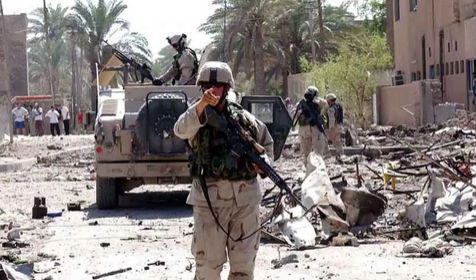
For the Spanish, 2003 and 2004 are not merely chapters in history but national wounds that have redefined the country’s political orientation. Spain’s involvement in the Iraq invasion led by the United States is often cited as one of the gravest strategic mistakes, paid for with civilian lives on Spanish soil. In 2003, Prime Minister José María Aznar took a high-risk step by joining the “Coalition of the Willing” with George W. Bush and Tony Blair. The photograph of the three leaders in the Azores Islands became a symbol of an alliance deeply unpopular in Spain. Data show that nearly 90% of Spaniards opposed involvement in the war. Millions took to the streets in Madrid and Barcelona, but the Aznar government remained inexorable, seeking to position Spain as a major player on the global stage and to deepen ties with Washington. The trauma culminated on 11 March 2004, known as the 11-M attacks. A series of bombs exploded on four commuter trains at Atocha station in Madrid, killing 191 and injuring more than 1,800. The attack was the deadliest Islamist terrorist act in modern European history. Al-Qaeda explicitly stated that the attack was retaliation for Spain’s presence in Iraq and Afghanistan. Spaniards felt betrayed; they felt drawn into a war they did not want, which then brought death to their doorstep. Just three days after the bombs, Spain held elections. The Aznar government initially tried to blame the Basque separatist group ETA for electoral gain, but when the evidence pointed to Al-Qaeda, public anger surged. The Socialist Party (PSOE) led by José Luis Rodríguez Zapatero won surprisingly. In line with its campaign promises and in response to the national trauma, Zapatero’s first act was to withdraw all Spanish troops from Iraq in April 2004. The move briefly strained Spain’s relations with the United States for years, but earned wide domestic support. By 2026, the trauma remains. Spain has since become more cautious in international military interventions. Any overseas military involvement must go through intense parliamentary debate and high transparency. The events of 2003-2004 taught Spain that foreign policy ignoring the will of the people can prove fatal to national security. President Masoud Pezeshkian of Iran praised Spain’s decision not to help the United States in its war against Iran.