
Want to perform the Eid al-Adha sacrifice but struggling to save? Insurance can help!
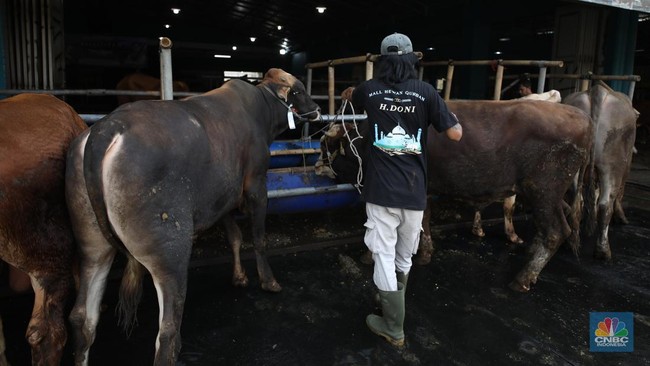
Jakarta, CNBC Indonesia - Many people set a regular goal to perform the Eid al-Adha sacrifice each year. However, reality shows many fail because funds set aside are inadvertently spent on other needs.
From loan instalments, children’s school fees, cafe outings to lifestyle purchases, these expenses cause kurban savings to “leak” before Eid al-Adha arrives.
Therefore, one financial instrument the public can use for disciplined saving for kurban funds is insurance products.
The question is, can it? Yes, but with conditions. Not all insurance products are suitable for this purpose.
Beyond Protection
The primary function of insurance is to provide financial protection against risks such as death or critical illness.
However, some insurance products feature cash value, regular savings, or end-of-contract benefits, allowing policyholders to access cash at specific times, including for kurban needs.
Such products typically come in the form of dual-purpose insurance (endowment), savings plans, or Sharia-compliant insurance with cash value.
This insurance concept resembles “forced saving”. Policyholders pay regular premiums, with part of the funds allocated to protection and the rest accumulating cash value.
Through this approach, policyholders gain dual benefits: risk protection and accessible cash.
Kurban Fund Simulation
For instance, someone aiming to save Rp35 million for a collective kurban cow within five years could opt for a conventional or Sharia life insurance savings plan. Illustrative details: a monthly premium of Rp600,000 over five years, a death benefit of Rp100 million, and an estimated cash value of around Rp38 million by year five.
This means paying a total of Rp36 million over five years could provide a Rp100 million life insurance cover throughout the policy term while potentially yielding Rp38 million in cash at maturity.
If the policyholder passes away before the contract ends, beneficiaries remain entitled to the insurance benefits as per policy terms.
In some Sharia products, this may also include additional accident coverage or health benefits.
Compared to Regular Savings
In terms of final returns, regular savings are more flexible and cheaper. However, the main challenge for many is discipline. Initially intending to save Rp500,000 monthly, funds are often diverted to unexpected needs, tempted by sales promotions, or abandoned altogether.
Insurance, however, “locks” funds due to mandatory premium payments, which is why some find it easier to meet financial targets through savings plan schemes.
Nevertheless, for annual kurban targets like goats, this insurance scheme is less suitable as the minimum coverage period is three years. Thus, dedicated savings instruments, Sharia deposits, or mutual funds may be more appropriate for yearly kurban goals.
If still opting for the insurance savings plan, one could allocate Rp7.6 million annually for goat kurban over five years from the accumulated cash.
Ultimately, the best choice depends on individual character and risk profiles. For those struggling to save consistently, insurance savings plans can serve as a disciplined tool to achieve financial goals while protecting family finances.