
Wall Street: The United States' Deadly Weapon to Dominate the World Without War
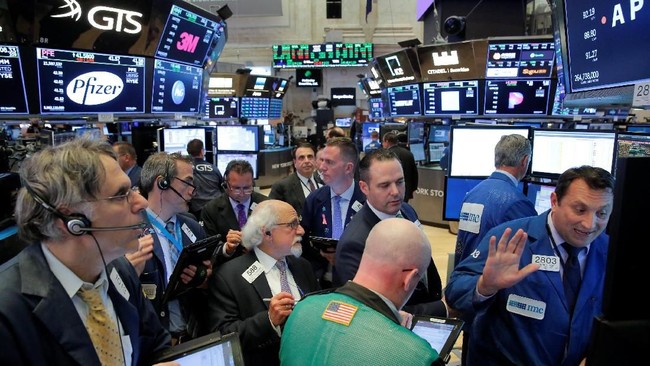
In the global economic landscape, Wall Street is not merely a street in Lower Manhattan, New York, but has transformed into the face of the entire United States financial system. Its existence transcends geographical boundaries and serves as the nerve centre of the world economy, while also functioning as a structural instrument that directly supports the United States’ status as the sole superpower. This absolute dominance was not formed by chance but is the result of over a century of historical capital accumulation, market liquidity depth, investment instrument innovations, and systemic integration with Washington’s geopolitical policies. The following is a factual analysis of the fundamental factors that make Wall Street the main pillar and symbol of US financial supremacy on the global stage. Concentration of Capital and the World’s Largest Market Liquidity Depth Quantitatively, Wall Street’s dominance is supported by the presence of the two largest stock exchanges in the world, namely the New York Stock Exchange (NYSE) and NASDAQ. The combined market capitalisation of these two exchanges represents the majority portion of the total global equity market capitalisation, creating a vast valuation gap compared to other major exchanges in Europe or Asia. This unmatched market depth and liquidity level make Wall Street the primary destination for global capital flows. Multinational companies from various continents consistently choose to list their shares (IPO) or issue American Depositary Receipts on US exchanges to gain access to a massive institutional investor base, such as mutual funds, pension funds, and giant asset managers. This capital concentration creates a self-reinforcing cycle, where high liquidity attracts more quality companies, which in turn attract more investment capital volume from around the world. US Dollar Hegemony as the Foundation of Global Transaction Infrastructure Wall Street’s structural strength cannot be separated from the status of the US Dollar (USD) as the global reserve currency. The majority of international trade, pricing of major world commodities (such as crude oil and gold), and foreign exchange reserves of central banks across countries have historically been dominated by the US Dollar. This macroeconomic condition creates a constant fundamental demand for dollar-denominated assets, particularly US government bonds (US Treasury) and equity instruments traded on Wall Street. This mechanism ensures that surplus capital from commodity-exporting countries is ultimately recycled and flows back into the US financial system. This transaction infrastructure provides Wall Street’s banking institutions and investment managers with a structural advantage in the form of access to very cheap and abundant funding, solidifying their position as the main controllers in the international monetary system. Financial Innovation Ecosystem and Aggressive Capital Allocation Wall Street acts as a pioneer and the centre for developing the most advanced financial engineering in the world. This ecosystem does not rely solely on conventional equity transactions but is supported by a complex network of institutions such as investment banks, venture capital firms, private equity, and a highly comprehensive derivatives market. The capacity of these institutions to assess risk, securitise assets, and create new investment products—such as Exchange Traded Funds (ETF) and other derivative instruments—enables highly aggressive yet measured capital allocation. It is the funding support from the Wall Street ecosystem that serves as the main catalyst behind the rapid growth of strategic sectors, particularly the global technology industry. The ability to finance innovation from the early formation phase to becoming mega-capitalised companies makes Wall Street the primary engine driving US economic competitiveness on a global level. Geopolitical Extension and Projection of National Financial Power In the context of international relations, Wall Street functions as more than just a capital market; it acts as an extension of US geopolitical power. The close integration between US financial institutions and the global clearing and payment system gives Washington the strategic capability to impose comprehensive economic sanctions on countries or entities that oppose its interests. Cutting off access from the Wall Street financial network often implies massive economic isolation for the targeted parties. Additionally, the world’s major credit rating agencies centred within this ecosystem have significant authority in determining risk profiles and sovereign debt. Overall, the dominance of this financial architecture positions Wall Street as a strategic instrument that enables the United States to effectively project its hegemonic influence worldwide without always relying on conventional military intervention.