
WALHI Monitors 1,316 Hotspots in Peatland Areas of West Kalimantan
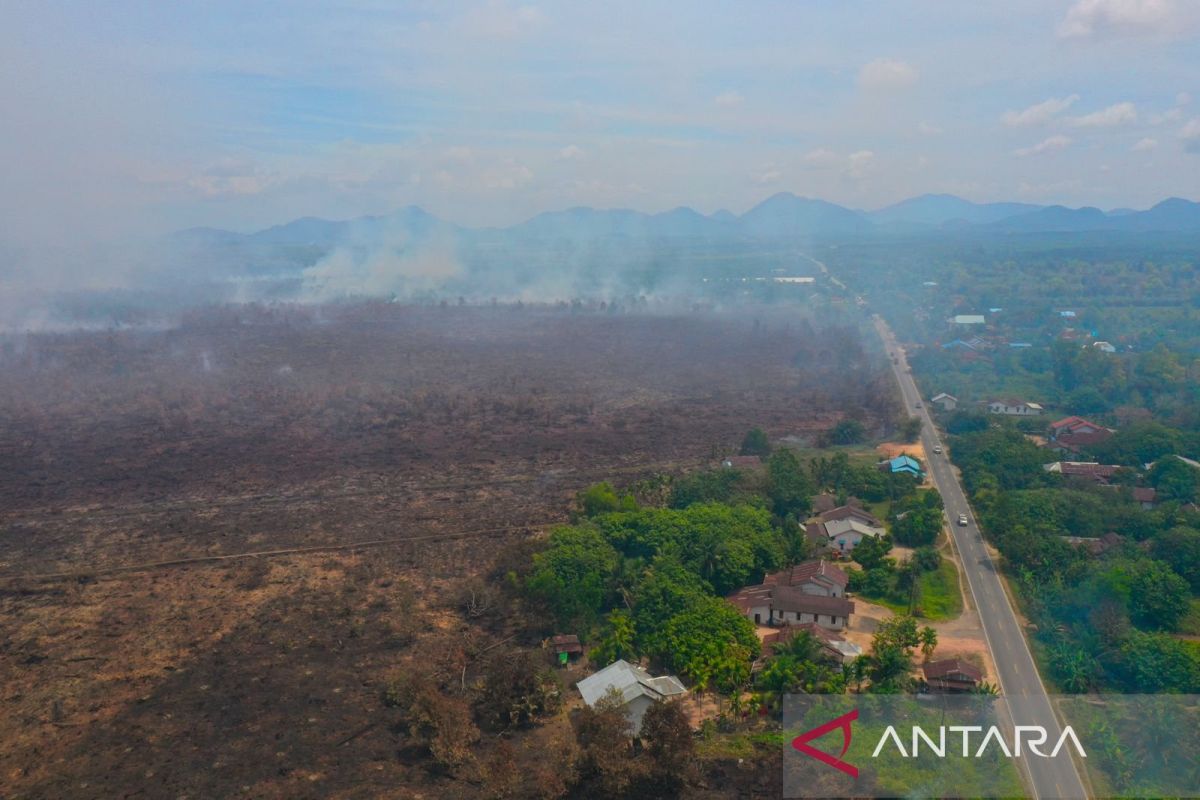
Pontianak – Environmental organisation WALHI in West Kalimantan has monitored at least 1,316 forest and land fire hotspots (karhutla) across peatland areas in the region throughout February 2026.
“These thousands of hotspots indicate that peatland fires continue to occur even as much of Indonesia remains within the rainy season,” said Indra Syahnanda, Head of Research and Campaign Division at WALHI West Kalimantan, in Pontianak on Thursday.
Monitoring data compiled jointly with Pantau Gambut shows that the emergence of hotspots at the beginning of the year signals the high vulnerability of peatland ecosystems in West Kalimantan due to long-standing degradation.
Syahnanda stated that increased fire activity over the past two months has triggered smoke haze across several areas in the province. According to him, the smoke impacts not only disrupt community activities but also affect residents’ health conditions. A resident death has reportedly been linked to the effects of forest and land fires.
WALHI West Kalimantan believes that the high number of hotspots demonstrates that degraded peatland areas are becoming increasingly vulnerable to fire, particularly on lands not managed sustainably.
Furthermore, mapping results indicate that some fires occur within concession areas. Nationally, hotspots have been recorded in oil palm plantation concession areas with HGU status and industrial timber plantation concession areas (PBPH-HTI), underscoring the need for stricter oversight of land management by corporations.
Approximately 46 per cent of Indonesia’s territory is estimated to experience drought earlier than normal, with the peak dry season occurring between July and August 2026. These drier conditions could potentially increase the risk of forest and land fires spreading.
“WALHI West Kalimantan emphasises that fire emergence during the rainy season serves as a warning that peatland fire issues are not merely seasonal phenomena but are closely linked to ecosystem degradation and weak protection of peatland areas,” Syahnanda said.
The organisation urges the government to strengthen early prevention measures through peatland protection, enhanced oversight in concession areas, and accelerated restoration of degraded peatland ecosystems to prevent fires from recurring annually.