
Waiting for Maghrib in Blok M
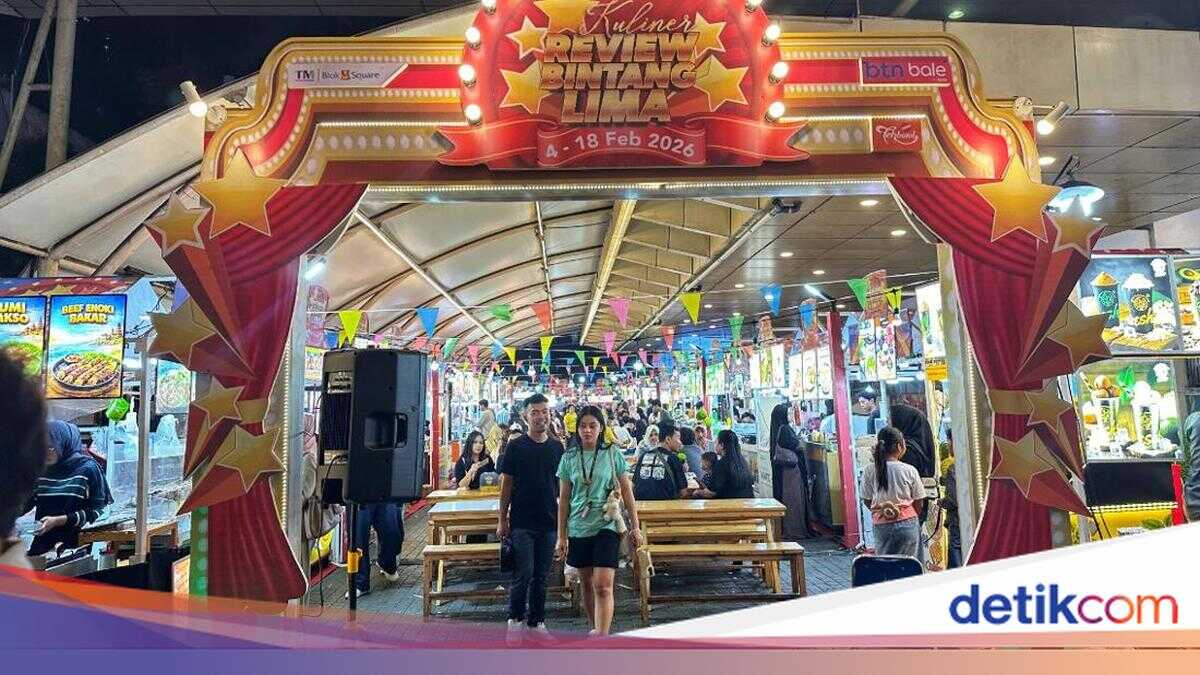
As the call to maghrib prayer approaches, Blok M transforms into a meeting place. Pavements fill with hurried footsteps, mobile phone screens display lists of viral restaurants, and the same conversation echoes repeatedly: “What do you fancy eating?”
The question is simple. Yet in Blok M, the answer can branch into dozens of possibilities. This district has long ceased to be merely a shopping destination or a nostalgic reminder of old Jakarta. It has become a culinary hub cutting across all segments, where university students, office workers, communities, and families meet in one shared rhythm—waiting for the moment to break their fast.
Blok M operates like an ecosystem. If one restaurant is full, another awaits. If one menu seems too heavy, lighter options exist. If one venue is too crowded, a five-minute walk yields an alternative. This flexibility is what keeps the area perpetually relevant during Ramadan. No elaborate strategy is needed. One simply arrives.
“Blok M really has so many choices. So it’s kind of like, whatever you want to eat… because there’s so much that’s gone viral here, naturally it gets crowded. So if this place is packed, we can just go somewhere else, you know. It’s more about having loads of options,” said Alfi Nikmatika Syifa, a 27-year-old woman who was waiting to break her fast at one of Blok M’s busiest corners that afternoon.
Among the various options, Misoa Hoki became a stopping point for Alfi and her friend Salma Hanifah. The restaurant serves warm broth noodles with simple toppings—a safe choice after a day of fasting.
“The reason is because we meet here often when we hang out. And we eat here because we’ve eaten here before and it was good, and we first found out about it from TikTok too,” said Salma. Their decision even emerged from spontaneous confusion. “At first we had no idea, we didn’t know what we wanted. So we just walked around, and eventually thought, okay, let’s just get this noodle soup,” she added.
In Blok M, plans often lose out to circumstance. People arrive intending to eat one thing or another, but upon seeing snaking queues or full tables, their choice can change within minutes. Here, decisions are born from situation—seeing a line that is too long, weighing the approaching break-fast time, and eventually saying, “never mind, let’s go elsewhere.”
Warm broth dishes become among the most sought after. After fasting all day, a bowl of soup-based food feels soothing. The warmth provides a pause for the body before a proper meal. At prices ranging from 50,000 to 100,000 rupiah per person, these options still feel reasonable for young people wanting to break their fast without straining their wallet.
But in Blok M, one name is almost always followed by another. Recommendations emerge in passing, like a conversation that never truly ends.
“Ramen Jiroku if you want broth-based dishes. There’s really loads anyway,” said Salma.
Alfi immediately added other options in Blok M Square. She reckoned they were good, provided one was prepared to queue. “Yeah, the downside here is that you have to queue.” Queuing has become part of the break-fast narrative in this area—not merely about waiting, but a sign that the place is currently popular.
Not far away, a restaurant called Koi No Yokan has a different story. While one establishment is chosen for its warm broth, this one is busy because its name frequently appears on social media feeds. Carlo Toorop Johanes Jehezkiel Pangaribuan, a 24-year-old man, came driven by curiosity sparked by social media.
“The main reason I wanted to try Koi No Yokan was because I saw it going viral on social media, people saying it was good. So I got curious and wanted to try it,” he explained.
These days, many people learn about restaurants not from street signs, but from social media feeds and reels. Something that frequently appears on screen feels too good to miss.
Carlo ordered a rice bowl with added meat and gave it 9 out of 10. “Because it tastes really good and the meat is really tender,” he said. His way of rating sounded like an online review, complete with numbers and comparisons. According to him, Misoa Hoki deserved an 8.5, while Obihiro Nikudon was suitable for breaking fast because of its generous portions.
This is how evenings typically unfold in Blok M. The main meal at one place, then moving to another for drinks or dessert. As if a single visit were not enough. Where some come because something is viral, others seek comfort. Jessica Marvella Irianto, a 23-year-old woman, chose Uma Kopi for its atmosphere.
“I think Uma Kopi has a nice vibe, it’s comfortable and clean. Plus, there’s no cigarette smoke, and it’s indoor with air conditioning, so it’s not hot, and the food is Indonesian, which I think is perfect for breaking the fast,” she said.
For some, breaking fast is not just about flavour, but also about space. Sitting longer, chatting without rushing, enjoying air conditioning after a day of activity. For food and drinks, Jessica estimated needing around 100,000 to 200,000 rupiah—an option still considered by many wanting a more comfortable setting.
However, not everyone wants to sit long. In front of Blok M Square, the atmosphere differs. Long tables are filled with fried pastries, spring rolls, pastries, lemper, layer cakes, and rolled pancakes. The aroma of hot oil mixed with sweet caramel rises into the air as the call to prayer approaches. People arrive, choose quickly, then pay without much fuss.
For 10,000 rupiah, several pieces of traditional break-fast snacks can be taken home. In the 25,000 to 50,000 rupiah range, options become more varied—fried items, fresh drinks, and wet cakes for family at home.
Here, there are no waiting lists or scrambles for tables. Only brief exchanges between buyer and seller, plastic bags tied up, then footsteps quickening again before the call to prayer sounds. This choice might be the simplest, yet it captures something essential about how Blok M serves its diverse community during Ramadan.