
Wagering Lives Beneath Missile Fire
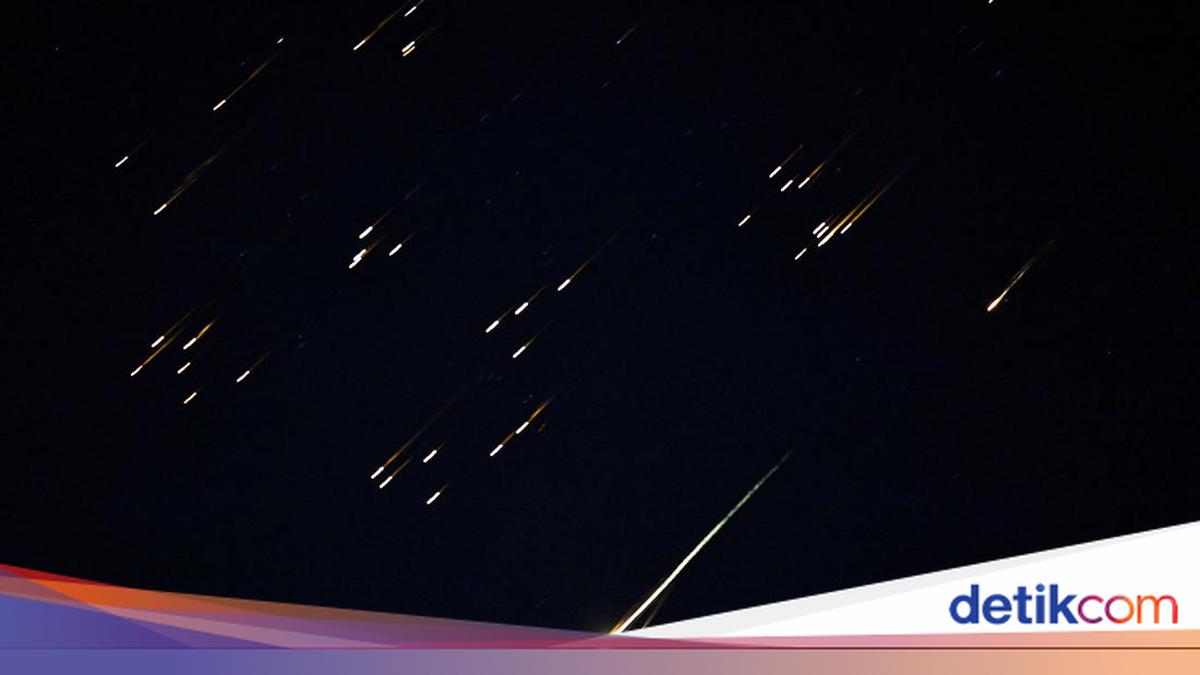
The sound of missile and drone strikes has become an all-too-familiar experience for Zaik, an Indonesian seafarer (ABK) serving aboard a foreign vessel in Dubai’s territorial waters. Daily, he reports, plumes of smoke from missiles fired by Iran, the United States, and Israel streak across the sky above his ship.
Missile fragments frequently fall dangerously close to where Zaik’s vessel is anchored. “Work stops for three hours, then continues again. Even today, attacks are still happening,” Zaik told detikX on Friday, 13 March 2026. “Just last night, a missile landed on another ship directly in front of us.”
As of Friday last week, Zaik and 10 other Indonesian nationals remained trapped aboard the foreign vessel. They hail from various Indonesian regions including Sulawesi, Jakarta, Banyuwangi, and Pemalang.
Thus far, Zaik reports, ships in Dubai’s waters continue normal operations. Food and medicine supplies remain relatively secure. However, Zaik and his colleagues grow increasingly anxious as the conflict shows no signs of ending soon. Internet and telephone connections have also become unreliable, making it difficult to contact families in Indonesia.
Zaik and his colleagues now hope the Indonesian government will promptly evacuate and repatriate them. They fear the conflict will persist and supplies of fresh water and food to the ship may be cut off. “Not to mention,” he warns, “if our ship is hit by stray missile fire.”
Mega, a crew member aboard the Berkah Tuah ship moored at Hamriyah Port in the United Arab Emirates, faces a similar predicament. Almost daily, bomb-like explosions resound across Sharjah’s waters, typically occurring near dawn or during sahur (pre-dawn meal).
For nearly two months, the Berkah Tuah has remained idle. Mega is stranded with one other Indonesian national and eight Malaysian crew members.
The conflict has forced Mega’s company to suspend the Berkah Tuah’s operations temporarily. The company transferred responsibility for the crew to insurance providers, resulting in salary delays of several months. Fortunately, the insurance company eventually paid the outstanding wages. The Malaysian government also provided food and beverage assistance.
“If anyone becomes ill, they arrange for us to be taken to a clinic,” Mega explained via voice message last week.
Andrian Umar, known as Rian, works as a helmsman aboard a sand transport vessel operating from Ras Al Khaimah Port to New Free Port and Mussafah Port in Abu Dhabi. Daily, he works under the threat of missile strikes and unmanned aircraft. Attacks often occur during quiet moments, when people are sleeping or newly awake in early morning hours.
“For example, this morning around 04:00 there was an attack from our departure point in Abu Dhabi. Honestly, I felt very anxious. The risk is enormous if the ship is hit, especially from missile shrapnel that explodes or falls or is thrown into the sea,” Rian explained by telephone on Thursday, 12 March 2026.
This situation causes Rian constant anxiety, as missiles and unmanned aircraft continuously circulating between warring factions frequently disrupt ship navigation systems. This poses serious danger of ships losing positioning information about nearby vessels, particularly those anchored.
“There are several reading errors, which makes us navigators extremely worried because the risk of maritime accidents is very high,” Rian stated.
In such situations, ship helmsmen typically resort to older navigation methods using electronic charts. However, according to Rian, electronic charts often fail to accurately display ship positions.
“If the electronic chart or GPS malfunctions, the position shown differs. Whereas with paper charts, we must use bearings,” Rian explained.
Beyond fearing sudden circumstances that could prove fatal, Rian worries the conflict may disrupt or completely halt supplies of food and fresh water to his ship, which is constantly at sea. Such a situation could slowly kill him.
Despite these anxieties haunting him in recent weeks, Rian maintains composure when his family in Indonesia calls. He does not wish to worry his loved ones back home.
“Because if we try to explain the actual situation, their worry back in the village and in Indonesia would become chaotic,” Rian added.
Beyond Rian, Zaik, Mega, and several other Indonesian crew members, at least four additional Indonesian seafarers remain trapped in the conflict zone. All four are aboard the Gamsunora, a PT Pertamina International Shipping (SIP) tanker operating in Gulf waters near the Strait of Hormuz.