
Volatility as a Source of Opportunity
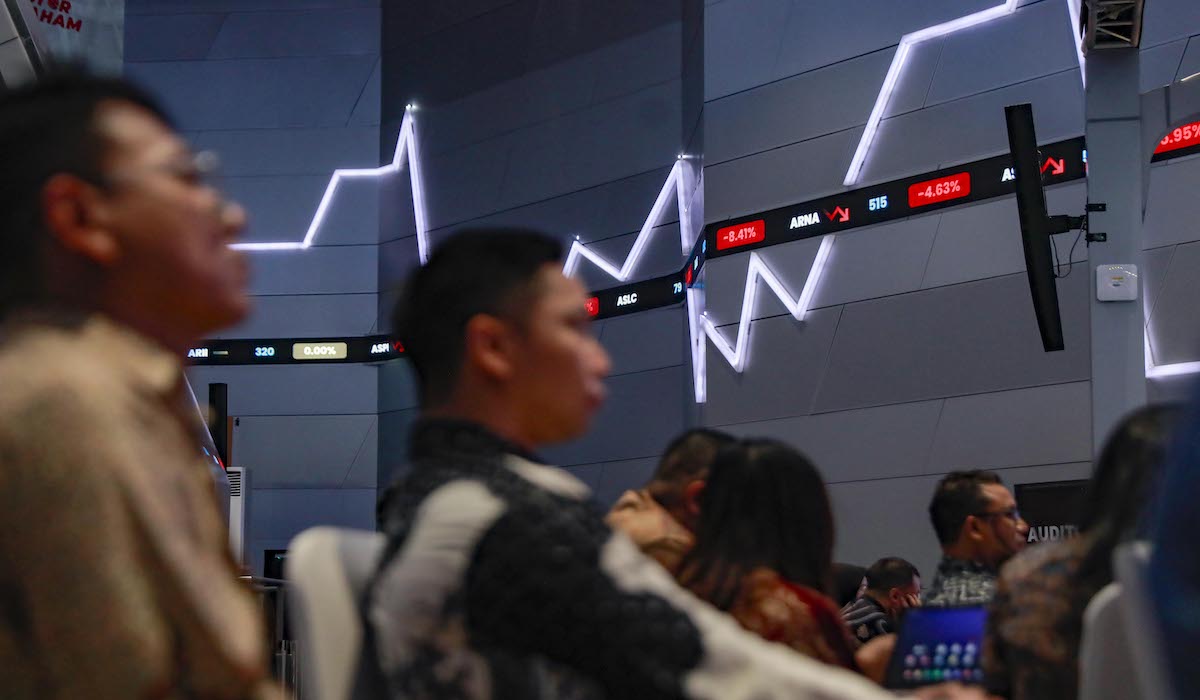
Market turbulence often sparks panic, especially when financial charts plummet sharply. However, for market participants, this situation does not always equate to losses. Liza Camelia Suryanata, Head of Research at Kiwoom Sekuritas Indonesia, advises investors to apply selective average-up strategies, accompanied by disciplined financial management, to anticipate market volatility. From a global perspective, the United States is reportedly proposing a 15-point peace plan, including the reopening of the Strait of Hormuz and the dismantling of Iran’s nuclear facilities. Former President Donald Trump stated that negotiations are underway. However, Iran denies any such talks and insists it will not halt the conflict until its demands are met. Iran itself has put forward several conditions, including a complete cessation of war, recognition of its control over the Strait of Hormuz, lifting of economic sanctions, provision of compensation, and freedom to pursue its military programme. According to her, volatility measures the price changes of assets over a specific period, influenced by various factors from global economic conditions to supply and demand dynamics. Without fluctuations, the market tends to stagnate with limited opportunities. In practice, this phenomenon is evident across various instruments, including foreign exchange trading. Dynamic exchange rate movements create profit gaps from short-term price differences. Conversely, when exchange rates are stable, the room for gains narrows. “Volatility makes prices move more actively throughout the day, thus opening more opportunities to enter and exit the market,” she explained. To understand volatility, it is important to observe how certain markets move actively. When people start trading forex, they will realise that currency exchange rates continuously change following global economic dynamics. These movements create opportunities from price differentials that occur in short periods. The same applies to futures and commodities trading. Small changes in prices can be exploited as part of short-term trading strategies. Conversely, if the Rupiah’s exchange rate against the US Dollar remains stable for a long time, trading opportunities become limited due to the lack of significant movements to capitalise on. Volatility makes prices move more actively throughout the day, thereby opening more opportunities to enter and exit the market. This is what makes price fluctuations one of the main factors in daily trading activity. Volatile markets require a different approach compared to long-term investment. In stable conditions, investors can hold assets for extended periods with minimal intervention. However, when volatility rises, price changes can occur within hours or even minutes. Many traders employ short-term strategies like day trading to capitalise on these rapid movements. Technical analysis is a frequently used tool to read chart patterns and identify potential price directions. Historical data helps provide insights into likely future trends. Moreover, discipline and emotional control are crucial in trading. Impulsive decisions during sharp market drops can lead to unnecessary losses. Data-based evaluations are far more effective than emotional reactions.