
Voices of Residents in Slum Neighbourhoods in Tambora, West Jakarta: Resigned to Living in Dark Alleys
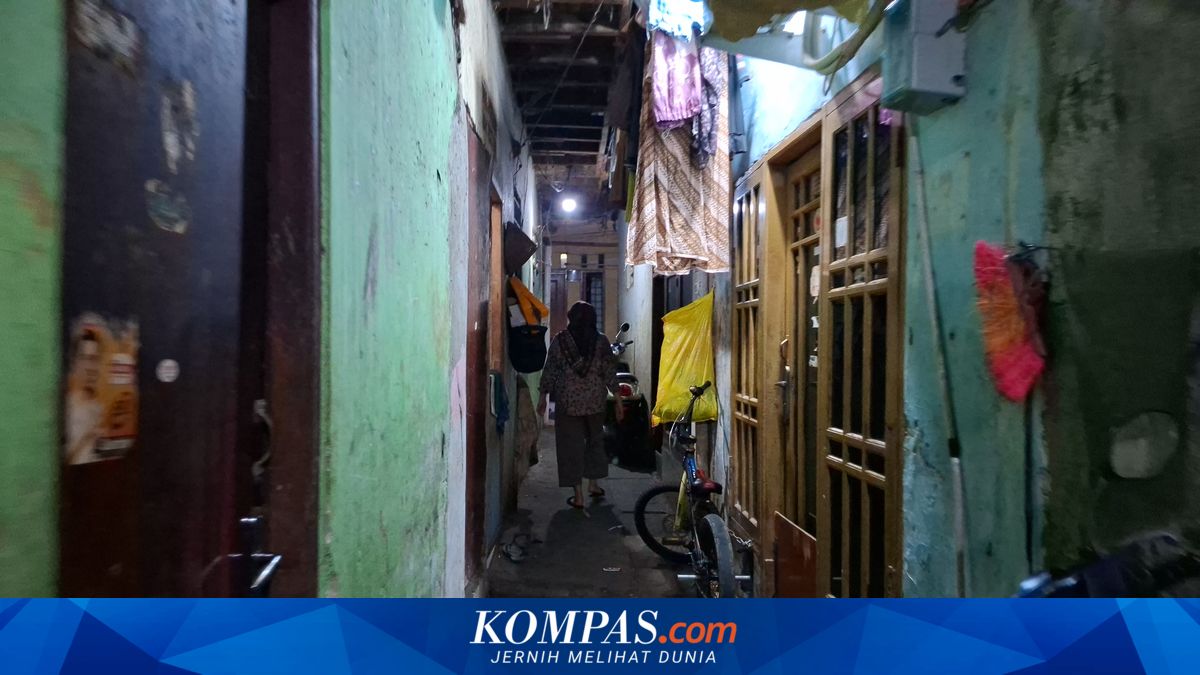
Behind the grandeur of Jakarta, now being beautified as a global city, lies the story of residents living in narrow and dark alleys in Tambora sub-district, West Jakarta. This area has recently come under the spotlight after DKI Jakarta Governor Pramono Anung identified it as one of the priority targets for redeveloping slum neighbourhoods (RW) in Jakarta, given its extremely high density. One such area is RW 03 Jembatan Besi, Tambora, which is so densely packed that the alleys between houses are untouched by sunlight. Inside the one-metre-wide alley, conditions are dark because residents’ house roofs extend forward and touch each other. As a result, sunlight cannot penetrate, and terrace lights must remain on 24 hours a day. Although aware of their pitiful and humid surroundings, economic pressures compel them to stay. “It’s pitiful, isn’t it? This is also my home, but whether it’s decent or not, I don’t know. What can we do? We’re only able to live here because of economic pressures. Thank goodness we still have our own place to live, without the hassle of renting elsewhere which is expensive,” said Fina (41), one of the residents. Similar resignation was expressed by Junaiyah (70), who has lived there for more than 50 years. The elderly woman recounted witnessing the changes in her surroundings, from what was once like other settlements to the current extreme density. “If it feels like a slum, that’s how it’s been since the old days, so we just go along with it. Alhamdulillah, that’s all,” said Junaiyah. The head of RW 03 Jembatan Besi, Didi Mawardi, revealed that a single small house can house four to five family heads (KK). Due to the dense and cramped buildings, there is often not enough space for family members to rest comfortably. “They even sleep in shifts sometimes—the children at night, the parents in the afternoon. That’s the real condition; we can’t cover it up,” said Didi.