
Vocational School Lecturer: Don't Undermine Food Self-Sufficiency in Pursuit of Energy Self-Sufficiency
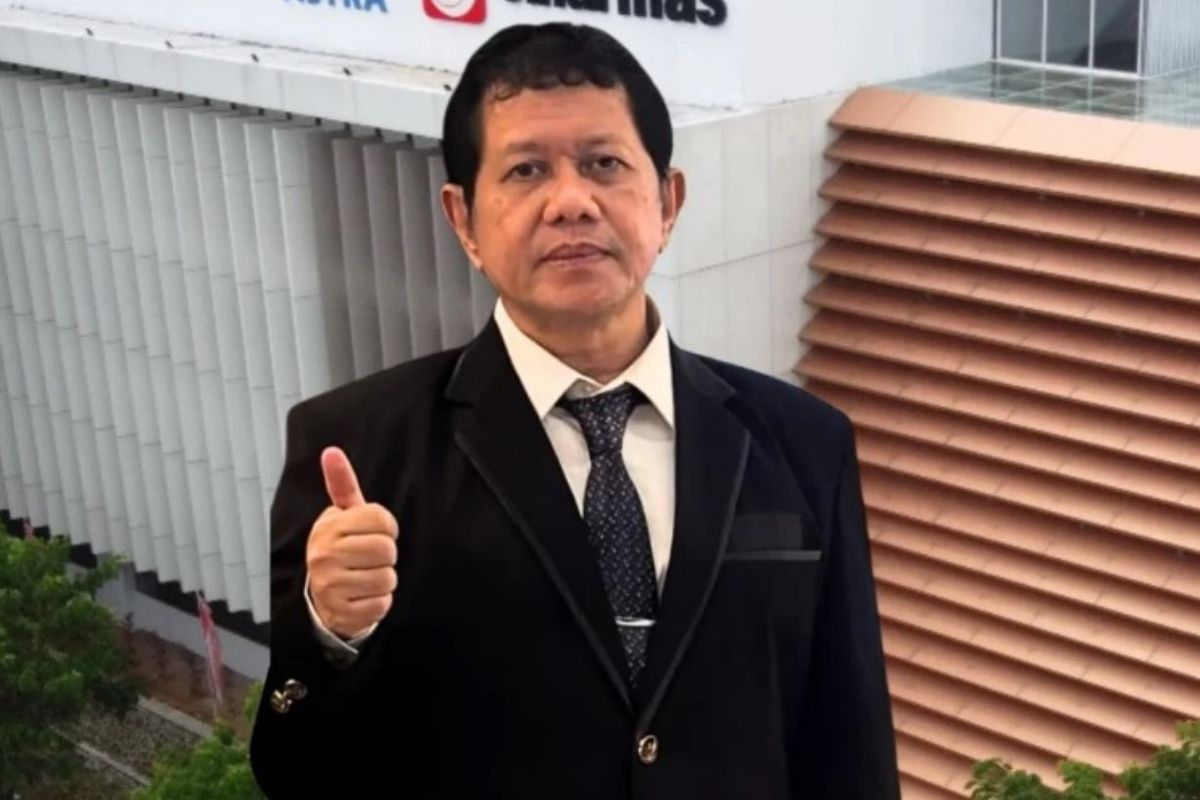
Don’t let productive agricultural land be entirely transformed into energy plantations.
Semarang (ANTARA) - Mohamad Endy Julianto, a lecturer in Industrial Chemical Engineering Technology at Diponegoro University’s Vocational School in Semarang, has reminded the government not to undermine food self-sufficiency in its efforts to achieve energy self-sufficiency.
“Don’t let productive agricultural land be entirely transformed into energy plantations,” Endy said in Semarang on Friday.
According to him, when global oil prices surge above 100 US dollars per barrel, Indonesia immediately feels the impact: with swelling fuel subsidies, transportation costs rise, food prices soar, and people’s purchasing power declines.
However, he continued, a far smarter solution than continuously increasing subsidies is to build an independent energy system.
He explained that palm oil can be processed into biodiesel for trucks, buses, ships, heavy equipment, and generators. Meanwhile, sugarcane, cassava, molasses, and sorghum can be converted into bioethanol as a petrol substitute.
He described Indonesia’s future with electric motorcycles dominating city streets, buses and logistics vehicles using batteries, heavy trucks and industries relying on hydrogen, while inter-island ships use biodiesel and hybrid systems.
He views electric vehicles not merely as a modern trend, but as a national strategy to reduce fuel imports.
“If electric motorcycles and cars are developed on a massive scale, national fuel consumption can drop drastically,” he said.
He even considers the plan to convert millions of motorcycles to electric motorcycles as the fastest and most realistic step to save Indonesia from the threat of an energy crisis.
Therefore, he hopes that productive agricultural land will not be transformed into energy plantations.