
VKTR Targets 80% Local Content for Electric Buses by 2028
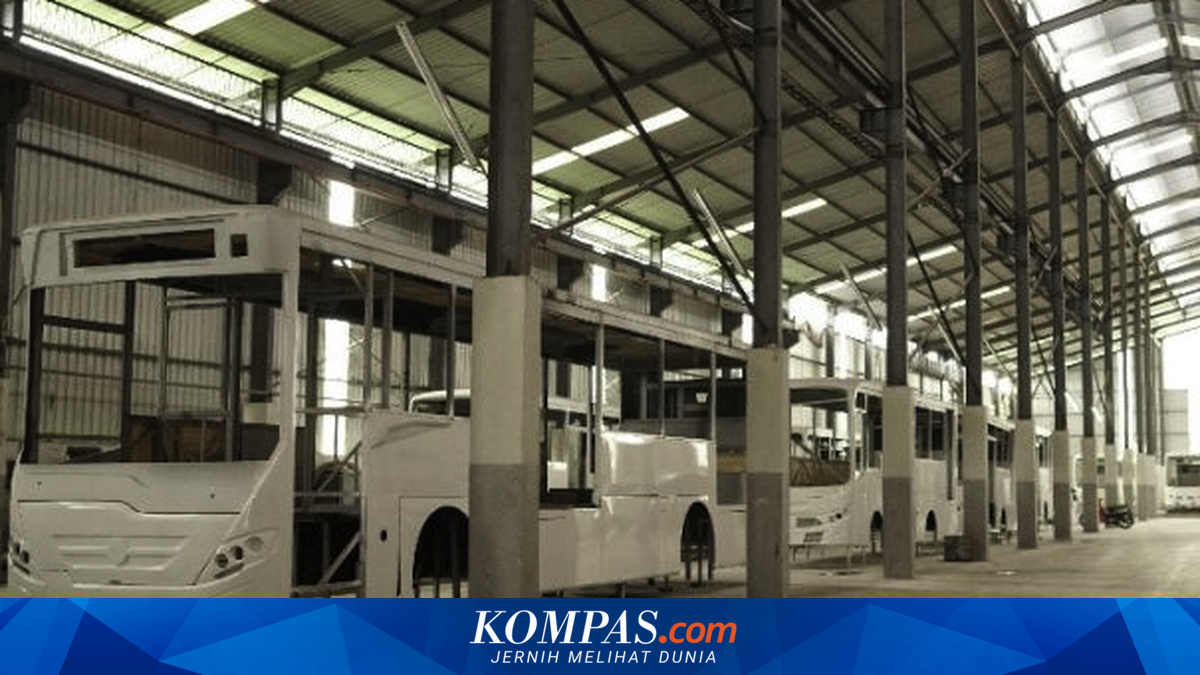
Efforts to strengthen the national electric vehicle industry continue apace, one of which is through increasing the Domestic Component Level (TKDN). This is the primary focus of PT VKTR Teknologi Mobilitas Tbk in developing domestically produced electric buses. VKTR’s Chairman, Anindya Novian Bakrie, emphasised that the company is optimistic about significantly increasing local content in the coming years. “We believe that with our self-reliant strength, we can increase the TKDN, which has already received 40% certification from the Ministry of Industry, to 60% this year and 80% by 2028,” said Anindya Novian Bakrie, Chairman of PT VKTR Teknologi Mobilitas Tbk, during a live YouTube broadcast by the Presidential Secretariat on Thursday (9/4/2026). This TKDN increase is a strategic step, not only to strengthen the domestic industry but also to reduce dependence on imported electric vehicle components. “If we look at the history of other countries like Japan, they advanced first with buses and trucks (Hino, Isuzu, Fuso), Korea with Hyundai, or India with Tata Motors. Indonesia can do it too, and this is what we want to convey: we are ready to answer the challenge from Bapak,” he said. For information, VKTR is part of PT Bakrie & Brothers Tbk and focuses on developing electric vehicles, particularly electric buses and commercial vehicles. VKTR underwent a major transformation in March 2022, when the company, previously known as PT Bakrie Steel Industries, shifted from the metal components and conventional vehicle business to electric vehicles. In its operations, VKTR relies on a Completely Knocked Down (CKD)-based production facility located in Magelang. This factory has a production capacity of up to 3,000 commercial electric vehicles per year. In addition, VKTR has established strategic partnerships with various parties to ensure the development of electric buses that comply with TKDN regulations.