
Villages need to strengthen disaster preparedness amid climate risks
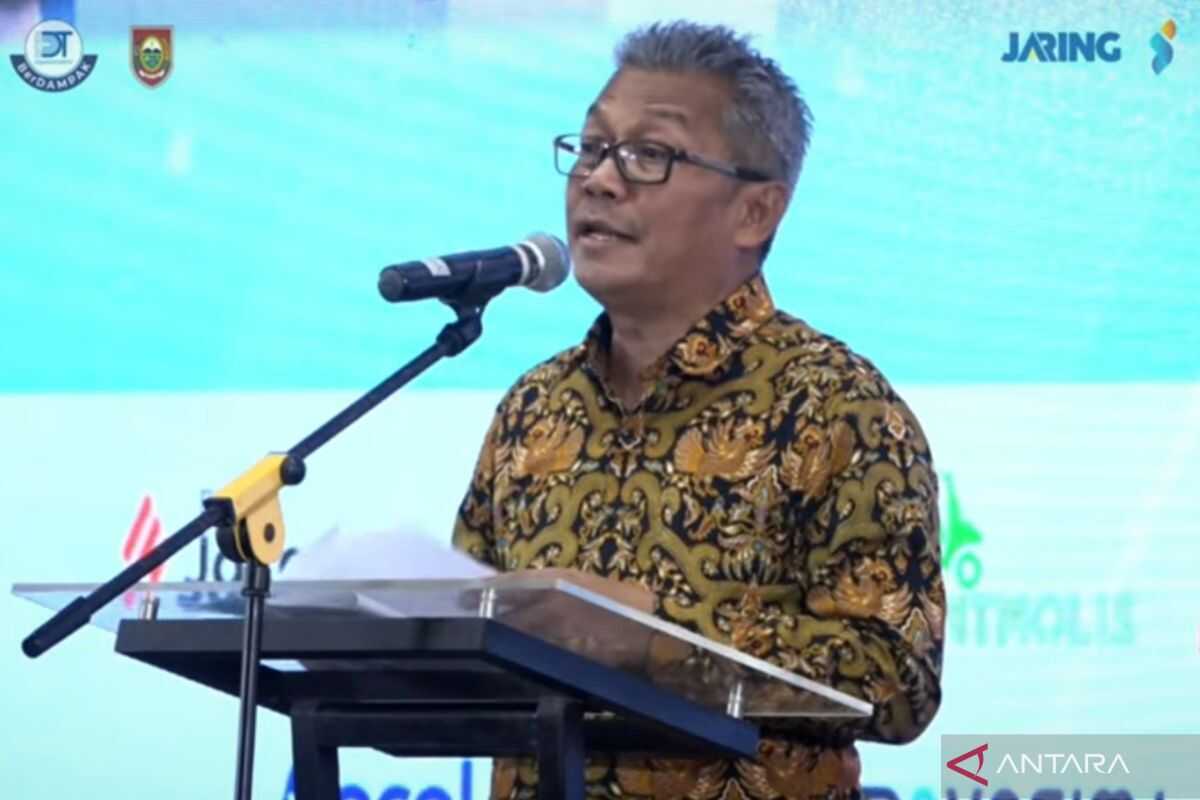
Director General of Acceleration of Disadvantaged Region Development, Samsul Widodo, said during the Village Climate Risk Index (IRID) Workshop on Thursday that 98.33 per cent of disasters are hydrometeorological: floods, extreme weather, landslides, forest fires, and droughts. The most vulnerable and at-risk are villages.
He reported that total disaster events reached 3,116 in 2025, a 121 per cent increase compared to 2024.
“This is updated data: total disaster events reached 3,116 throughout 2025, up 121 per cent from 2024. The damage impact is quite significant,” he said.
According to him, villages are the most affected due to limited alternative livelihoods.
“I always say, if people in Jakarta are affected, they still have savings or other resources. Meanwhile, in villages, they often have only one rice field, one garden, or one livestock herd, no alternatives,” he explained.
Widodo urged that disaster mitigation capacity in villages be enhanced systematically, including through training for village heads and their staff.
He also emphasised the importance of using the Village Climate Risk Index as a policy and budgeting tool, not merely as data.
Through capacity building, integrating the risk index into policy, and mainstreaming climate change issues, the ministry expressed hope that villages can strengthen disaster resilience while ensuring sustainable development.
Previously, Deputy Speaker of the People’s Consultative Assembly (MPR) Eddy Soeparno stressed the importance of drafting the Climate Change Management Bill as a comprehensive, cross-sector legal framework.
He explained that the initiative aims to ensure legal certainty, clarify the division of authority, and strengthen funding for climate change mitigation and adaptation efforts, including disaster risk reduction at the regional level.