
Village Heads, Sub-District Chiefs, and Public Service ASN Exempt from WFH Every Friday
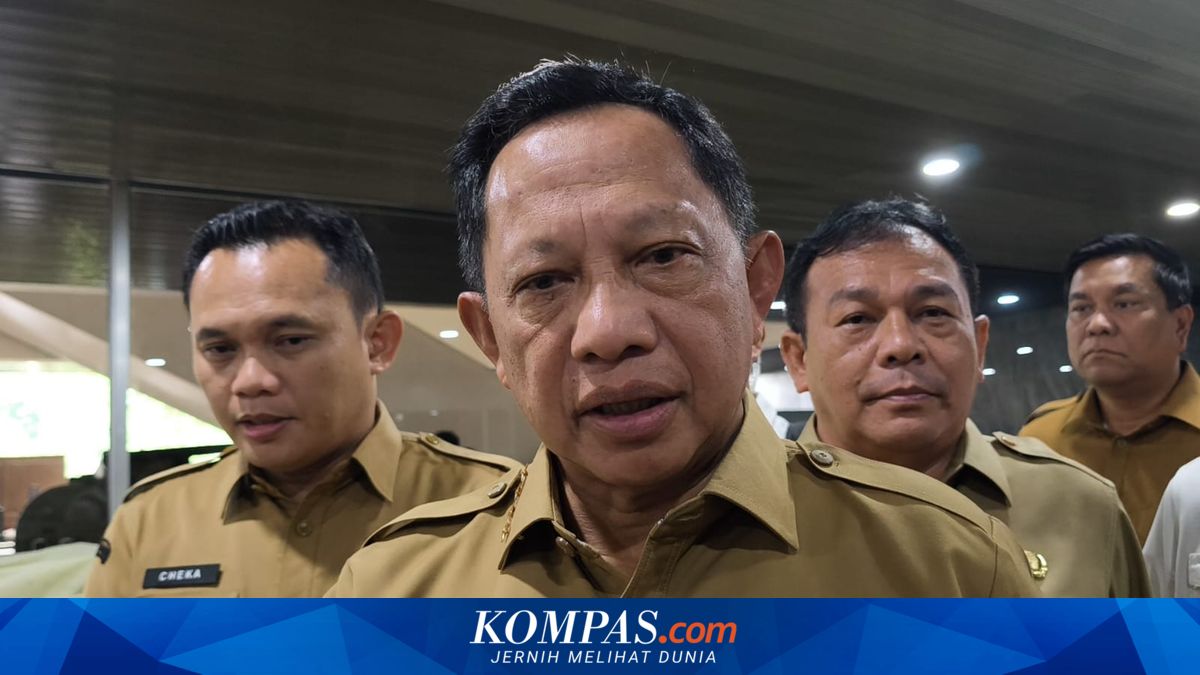
JAKARTA - A number of echelon I and II officials in the regions, sub-district chiefs, sub-district heads/village heads, and the public services sector are exempted from the work from home (WFH) policy.
“The points mentioned earlier have been conveyed by Mr Coordinating Minister regarding those who are exempted,” said Interior Minister Tito Karnavian during a virtual press conference on Tuesday (31/3/2026).
Tito Karnavian regulates this in Circular Letter Number 800.1.5/3349/SJ on the Transformation of Civil Servant Work Culture in the Regional Government Environment.
At the provincial level, high-ranking madya and pratama leadership positions are exempted from WFH, so they continue to work from the office.
“So this includes leaders at the provincial level, for example, high-ranking madya leadership echelon one positions, then echelon two pratama,” said Tito.
“The same applies at the district/city level, the difference is that sub-district chiefs and sub-district heads are also exempted, meaning they continue to carry out work from office,” he added.
The same applies to units in the public services sector that are exempted from the WFH policy every Friday.
“Then sanitation and waste management, population affairs, licensing, health, education, regional revenue, and other public services,” continued Tito.
Tito said the circular he issued takes effect from 1 April 2026 and will be periodically evaluated.
“And this provision, this policy, will be evaluated for two months,” he said.
In the same press conference, Coordinating Minister for the Economy Airlangga Hartarto announced the WFH policy for civil servants every Friday.
However, not all civil servants can WFH because there are sectors that are exempted, namely the public services sector.
“Once again, the sectors exempted from WFH and continue to work from the office or in the field are the public services sector, such as health, security, cleanliness, as well as strategic sectors like industry or production, energy, water, staple food and beverages, trade, transportation, logistics, and finance,” said Airlangga.