
Village Fund Usage for TB Control Must Be on Target
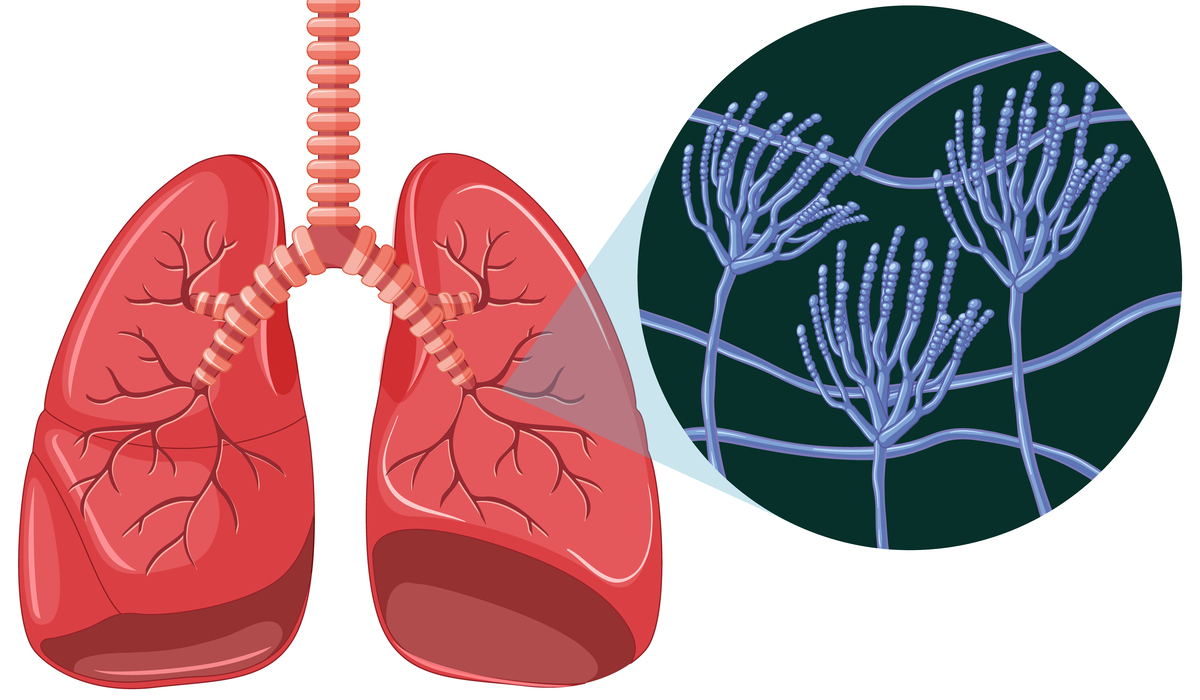
Director of Postgraduate Studies at Universitas YARSI, Tjandra Yoga Aditama, assesses that the utilisation of village funds for tuberculosis (TB) control remains relevant and on target, even though the regional transfer and village fund budgets in the 2026 RAPBN are experiencing a decline.
He revealed that, based on data circulating in the mass media, the realisation of regional transfers and village funds over the past five years shows a fluctuating trend. In 2021, it was recorded at Rp785.7 trillion, increasing to Rp816.2 trillion in 2022, then Rp881.4 trillion in 2023. The figure then dropped to Rp863.5 trillion in 2024 and is estimated at Rp864.1 trillion in 2025.
“Even though there is a budget reduction, what is more important is how it is utilised. It would be very good if the available funds are used more on target, including for TB control,” said Tjandra on Friday (3/4).
He emphasised that TB remains a major problem in Indonesia, which currently holds the second-highest ranking in the world. According to him, TB cases often originate at the community level, including villages, making interventions at that level crucial.
“TB is a problem for our nation. This is also one of the priorities in Asta Cita, so its implementation must reach the villages. Therefore, it is appropriate if village funds are used proportionally for TB control,” he said.
Tjandra explained that the budget needs for TB control in villages are actually not large. This is because medicines and diagnostic tools have been provided by the central government. In addition, patient treatment financing in hospitals is also guaranteed through BPJS Kesehatan.
“Village funds do not need to be used for medicines or diagnostic tools. The focus is more on community empowerment, such as health cadres, counselling, and education,” he stated.
He also gave an example of practices in India through the Nikshay Poshan Yojana programme, where the government provides incentives of 500 rupees per month to TB patients during treatment.
“The central government could also provide direct assistance to TB patients in villages, as done in India,” he added.
Furthermore, Tjandra emphasised the importance of the role of village heads and community figures in supporting TB control. He mentioned that at least three things need to be done, namely encouraging residents with TB symptoms to get checked, ensuring patients complete their treatment, and eliminating stigma against patients and their families.
“The role of community leaders is very important so that there is no stigma, and patients truly complete their treatment,” he concluded.