
Video: Securing Fuel Subsidies, Misbakhun Guarantees Budget Deficit Below 3%
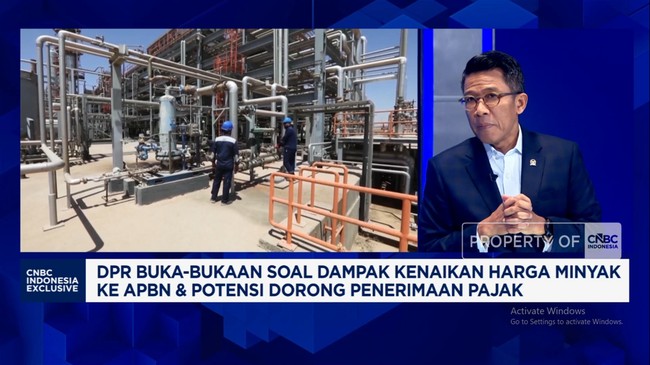
Jakarta, CNBC Indonesia - Amid the rise in global crude oil prices that have surpassed levels above USD 110 per barrel due to tensions in the Middle East, the Indonesian government has assured that subsidised fuel prices will not increase until the end of 2026.
This step is taken by the government to safeguard purchasing power and suppress inflation surges resulting from global turmoil, a move described by DPR RI Commission XI Chairman Mukhamad Misbakhun as highly appropriate. Nevertheless, the government, alongside the DPR, continues to assess the impact of holding subsidised fuel prices on the state budget burden and Indonesia’s economy.
Misbakhun stated that the global oil price increase poses risks to the economy due to its linkage with fuel subsidies, which under the 2026 state budget assumptions amount to Rp 380 trillion. Thus, when global oil prices rise, the burden on the state budget increases; however, if subsidised fuel prices are raised, the ripple effects on economic pressures would also intensify.
According to government calculations, if global oil prices are around USD 100 per barrel, the state budget can still hold subsidised fuel prices steady by implementing budget efficiencies to allocate towards fuel subsidies.
On the other hand, the rise in global oil prices also boosts prices of CPO, nickel, coal, and food commodities. Therefore, as a country with a diverse range of flagship export commodities, Indonesia has the potential to gain benefits through a windfall tax scheme. The government also assures that the state budget deficit will be kept below 3% to maintain market confidence in Indonesia.