
Video: Potential Windfall Profits from Coal and Others – Boon or Dependency?
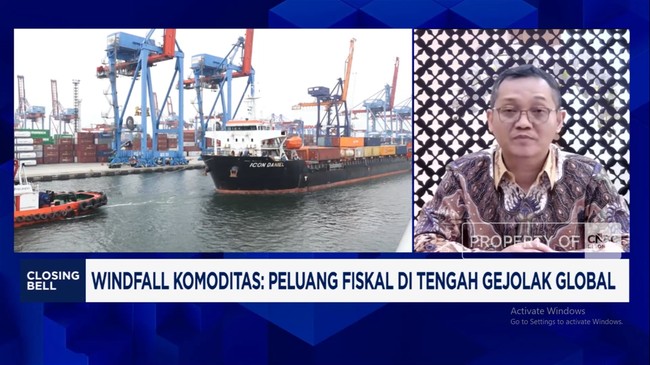
Jakarta, CNBC Indonesia – The government is examining the application of a windfall tax (tax on unexpected profits) on Indonesia’s flagship export commodities that are experiencing price increases due to the effects of the Middle East war, such as coal, nickel, and CPO.
Deputy for Coordinating the Management and Development of SOE Businesses at the Coordinating Ministry for the Economy of the Republic of Indonesia, Ferry Irawan, stated that the plan for implementing the windfall tax is still being coordinated with relevant ministries and agencies, where the potential calculation is based on the difference between the APBN assumptions and market prices, as well as how long this price increase occurs; additionally, its impact on the investment climate is also considered.
The Coordinating Ministry for the Economy is also continuously monitoring global volatility developments and their impact on the resilience of the APBN, which is still ensured to be safe to date. On the other hand, the government is also carrying out spending efficiencies of around Rp 120-130 trillion while still maintaining government priority programmes such as Free Nutritious Meals (MBG), 3 million houses, and others as economic drivers.
What is the direction of the government’s policy towards the potential windfall of commodities in the era of war? How does the government view the impact of windfall on the Indonesian economy? For more details, watch the dialogue between Shafinaz Nachiar and Deputy for Coordinating the Management and Development of SOE Businesses at the Coordinating Ministry for the Economy of the Republic of Indonesia, Ferry Irawan, in Closing Bell, CNBC Indonesia (Tuesday, 14/04/2026).