
Video: As the Rupiah Hits Record Low, Where Will BI's Policy Direction Head?
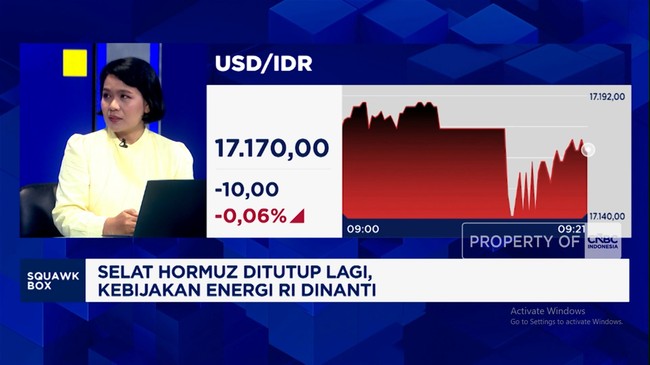
Jakarta, CNBC Indonesia - CNBC Indonesia economist, Maesaroh, explains a series of cascading impacts from the re-closure of the Strait of Hormuz amid the unresolved US-Iran war. This situation not only disrupts energy supply chains but also pushes up crude oil, LPG, and fuel prices. For Indonesia, rising oil prices not only burden the state budget and inflate energy subsidies but also pressure the rupiah exchange rate. On the other hand, increases in non-subsidised fuel prices must also be watched for their effects on purchasing power, inflation, and the Indonesian economy. This Middle East tension will also influence the direction of central bank interest rate policies globally, including those of The Fed and Bank Indonesia. It is estimated that BI, in the April 2026 RDG, will still hold the BI Rate level steady given the rupiah’s position at its all-time weakest level. What are the impacts of the war on the state budget, rupiah, and Indonesian capital markets? For more details, watch the dialogue between Andi Shalini and CNBC Indonesia economist, Maesaroh, in Squawk Box, CNBC Indonesia (Monday, 20/04/2026).