
Victim Expresses Gratitude After Police Uncover Fake E-Fine Scam
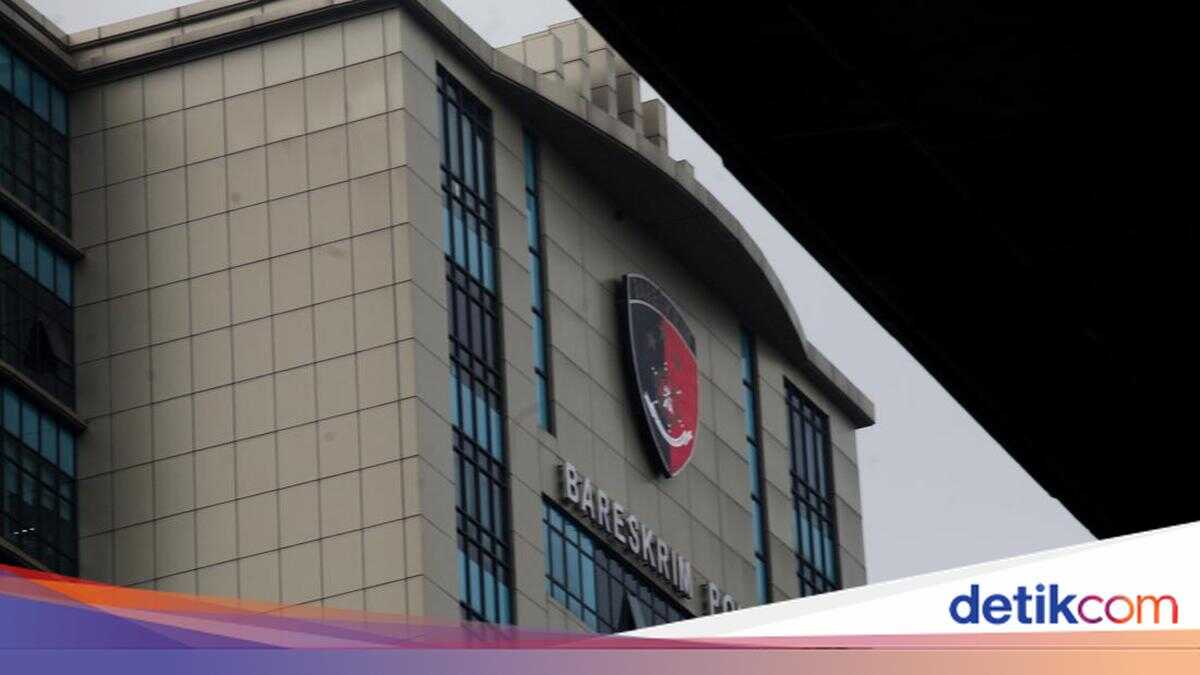
Yuni Raga Dewi, a victim of an online phishing scam involving fake e-fine payments, expressed her gratitude to the Indonesian National Police’s Criminal Investigation Unit (Bareskrim) for successfully dismantling the syndicate. Yuni hopes that such incidents will not be repeated.
“I would like to thank the Police for their hard work in uncovering this issue,” Yuni said when contacted on Thursday (February 26, 2026).
Yuni recounted how she became a victim of the online scam. She received an SMS message about an e-fine, which later turned out to be a scam. “It was an SMS, saying that the deadline was today, and that if I didn’t pay, the fine would increase. It was only 150,000 rupiah,” Yuni said.
Fearing that she would forget to pay, Yuni decided to click on the link. The link led to a payment page that resembled an e-fine and used the logo of the prosecutor’s office. Initially, she thought the SMS was related to a letter from the prosecutor’s office that she had not responded to. Yuni also found it strange because the number registered for vehicle-related matters was her husband’s number.
“But I thought, since it was only 150,000 rupiah, I would just pay it,” Yuni said.
After clicking the link, Yuni entered the vehicle number requested. Then, a request for an OTP code appeared, which she then sent. “Then, instead of 150,000 rupiah, it turned out to be in Saudi Arabian currency. I asked a friend, ‘Why is it only 2,000?’ I said that. But it turned out that the 2,000 was 2,000 SAR,” Yuni said, recounting her conversation with her friend.
Yuni immediately called the bank to inquire about the transaction. However, the bank stated that the transaction could no longer be canceled.
“So, in the afternoon, I reported it to the Polda. Because this case involves the Prosecutor’s Office, the Prosecutor’s Office reported it to the Polri, so this issue, this complaint related to e-fines, was referred to the Bareskrim,” she added.
She also appreciated the hard work of the Bareskrim in uncovering this case. Yuni hopes that the money will be returned to the victims who have been harmed. “I would like to thank you very much for uncovering the case, so that such incidents do not happen again. And also, we are victims here. So, I hope that this money can be returned,” she said.
As is known, the Directorate of Special Cyber Crimes of the Bareskrim Polri has uncovered a phishing case involving fake e-fine payment SMS blasts. The police have urged the public not to easily trust SMS messages sent from unknown numbers.
“The Polri urges all members of the public not to easily trust SMS messages from unknown numbers that include links, especially those claiming to be from government institutions,” said the Director of Special Cyber Crimes of the Bareskrim Polri, Brig. Gen. Himawan Bayu Aji, in a press conference on Wednesday (February 25).
Himawan asked the public to always check the authenticity of websites or sites before entering personal data or banking data.
“If in doubt, immediately confirm with the bank’s customer service or the relevant agency,” said Himawan.
He said that the Directorate of Cyber of the Bareskrim Polri is committed to continuing to enforce the law firmly by cutting off the infrastructure chain of international phishing syndicates to protect Indonesian people in cyberspace.
Five suspects have been arrested. The five suspects are WTP (29), FN (41), RW (40), BAP (38), and RJ (29). The suspects in Indonesia are accomplices who receive and carry out orders from Chinese nationals who use Telegram accounts.
Here are the roles of the five suspects in Indonesia:
WTP, who plays the role of the main actor who operates the device and carries out SMS blasts since September 2025.
FN, who provides SMS blast services with clients who are foreign nationals, and manages SIM cards since July 2025.
RW, who helps with the operational SMS blasting together with suspect FN since July 2025.
BAP, who plays the role of the main actor in SMS blasting and the operator of the blasting device since February 2025.
RJ, who provides or sells SIM cards that have been registered to other perpetrators.
This case began with a report of public complaint number B-693/E.1/EE.3/12/2025 dated December 9, 2025. In the report, it was found that 11 phishing links were circulating, which resembled the official website of the Attorney General’s Office’s e-fine payment with the original URL https://tilang.kejaksaan.go.id.
The perpetrators spread the fake links through the SMS blast method from five mobile phone numbers to the public. From these five mobile phone numbers, it will develop into several mobile phone numbers.
The chronology of this incident began when the victim received an SMS from an unknown number. The SMS informed that there was an outstanding traffic violation fine and included a link. “Then the link was clicked by the victim and the victim was directed to a fake e-fine site that looked very similar to the official site of the Attorney General’s Office,” explained Himawan.
Because they believed the website was genuine, the victims entered their personal data and credit card data. This resulted in an illegal debit transaction on the victim’s credit card of 2,000 Saudi Arabian riyals, or approximately 8,800,000 rupiah.