
Vice Chairman of the MPR RI says restricting under-16s' access to social media safeguards the nation's generation
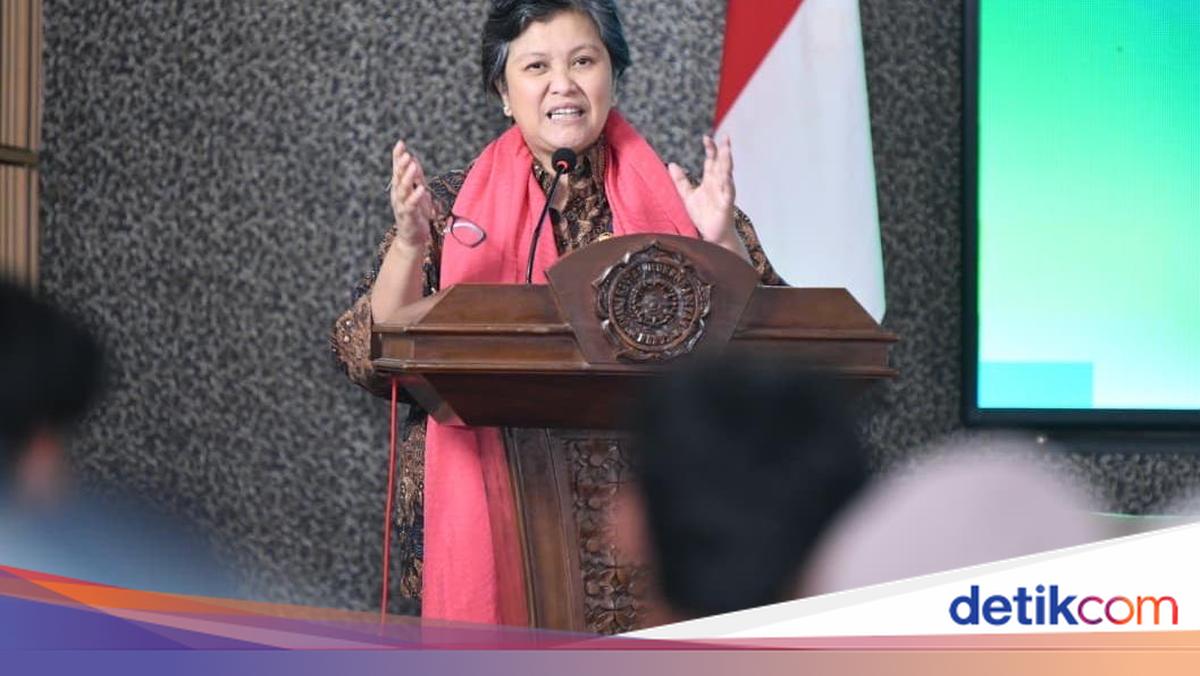
Vice Chairman of the MPR RI, Lestari Moerdijat (Rerie), has stated that the government’s policy to postpone digital account access for children under the age of 16 is an important step in protecting the growth and development of the younger generation, while also safeguarding the quality of Indonesia’s human resource development. Rerie praised the government’s consistent application of Government Regulation No. 17 of 2025 on the Governance of Electronic System Providers in Child Protection (PP Tunas).
‘This policy deserves praise, because it shows the state’s presence in protecting Indonesian children in the digital space. Child protection is not only about safety, but also an important part of the educational process and the formation of the nation’s generation’s character,’ said Lestari in a written statement on Saturday, 7 March 2026.
It is noted that the Ministry of Communications and Digital Affairs of the Republic of Indonesia (Komdigi), on Friday (6 March), issued a Ministerial Regulation as a derivative rule from PP Tunas that governs the governance of electronic system providers in child protection.
Through this regulation, the government will delay access for children under 16 on high-risk digital platforms, including social media and digital networking services. The implementation phase of the policy will begin on 28 March 2026, with gradual deactivation of children’s accounts on platforms categorized as high-risk.
According to Rerie, the policy should be viewed as part of an effort to build a healthy educational ecosystem and digital literacy for Indonesian children.
‘As part of the educational process, children need protection from exposure to negative content, misinformation, digital violence, and exploitative practices in the online space that could damage their character development,’ said Rerie, who is also a member of Commission X of the House of Representatives of the Republic of Indonesia.
She emphasised that the digital space has now become one of the main social spaces for children and adolescents. Therefore, its management cannot be separated from the state’s responsibility to ensure the continuity of the educational process and the shaping of the younger generation’s character.
According to Rerie, the success of policy implementation depends heavily on the support of all parties.
‘The role of families is very important. Parents must become the primary companions for children in learning about and using digital technology in a healthy and responsible way. Therefore, digital literacy for the public must progress in tandem with the implementation of this regulation,’ she said.
Furthermore, a NasDem Party Supreme Council member hopes the policy can strengthen joint efforts to build an Indonesian generation that is characterful, mentally healthy, and globally competitive.
‘Monitoring and safeguarding children in the digital space, in essence, is protecting the nation’s future. This policy must become part of a collective movement to ensure the education and growth of the next generation proceed in a healthy, safe, and dignified manner,’ she concluded.