
Vehicle Document Forgery Uncovered: Police Urge Caution When Purchasing Second-Hand Vehicles
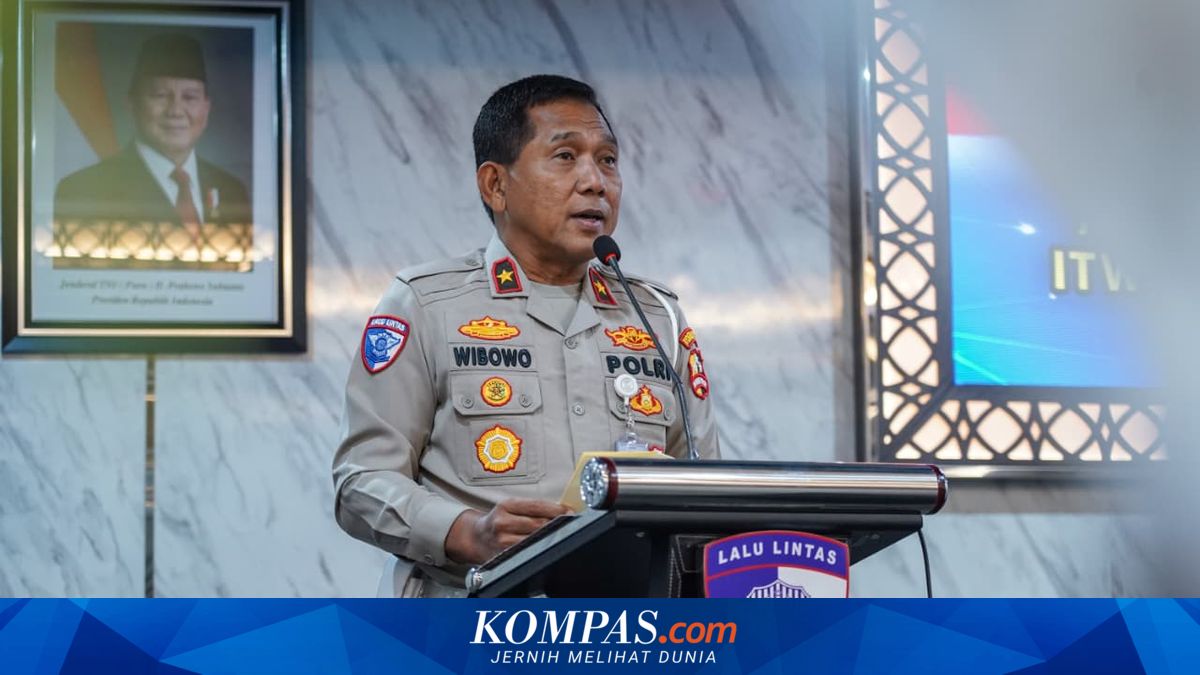
Jakarta — The Indonesian National Police (Polri) have uncovered large-scale forgery of Vehicle Registration Letters (Surat Tanda Nomor Kendaraan, STNK) and Motor Vehicle Ownership Books (Buku Pemilik Kendaraan Bermotor, BPKB).
The Directorate of Registration and Identification (Ditregident) of the Police Traffic Corps (Korlantas) has urged the public to exercise greater caution when purchasing second-hand motor vehicles following the exposure of this case.
Brigadier General Wibowo, Director of Registration and Identification at Korlantas Polri, stated that vehicle document forgery constitutes serious criminal activity that can cause both material and legal harm to the public.
“The police urge the public to be more careful when purchasing second-hand vehicles. Ensure that vehicle documents such as STNK and BPKB are genuinely authentic by conducting verification at Samsat or through official services available,” said Brigadier General Pol Wibowo in a statement on Monday (9 March 2026).
In this case, police uncovered a document forgery syndicate operating across provincial boundaries, spanning Central Java, West Java, East Java, the Special Region of Yogyakarta, Bali, and Kalimantan.
From this investigation, police seized approximately 20,000 counterfeit STNK and BPKB documents as well as 20 four-wheeled vehicles suspected to be stolen or illegally obtained vehicles (bodong).
Police also arrested six suspects holding different roles within the network, ranging from document manufacturers to sellers and marketers of forged documents.
Based on investigation findings, the syndicate operated by purchasing vehicles with credit problems or vehicles subject to defaulted lease agreements.
These vehicles were then equipped with forged documents in the form of STNK and BPKB to enable resale to the public.
Sales were conducted through social media platforms including Facebook and WhatsApp.
From this illegal practice, the syndicate was found to generate profits of approximately 100 million rupiah per month.
Additionally, in several cases, perpetrators allegedly collaborated with rogue debt collectors who would repossess vehicles from customers in financial difficulty. However, instead of returning these vehicles to the financing companies, they were resold to the public with falsified documents.