
Vanita Naraya Advocates for Female Leadership in Crisis Situations
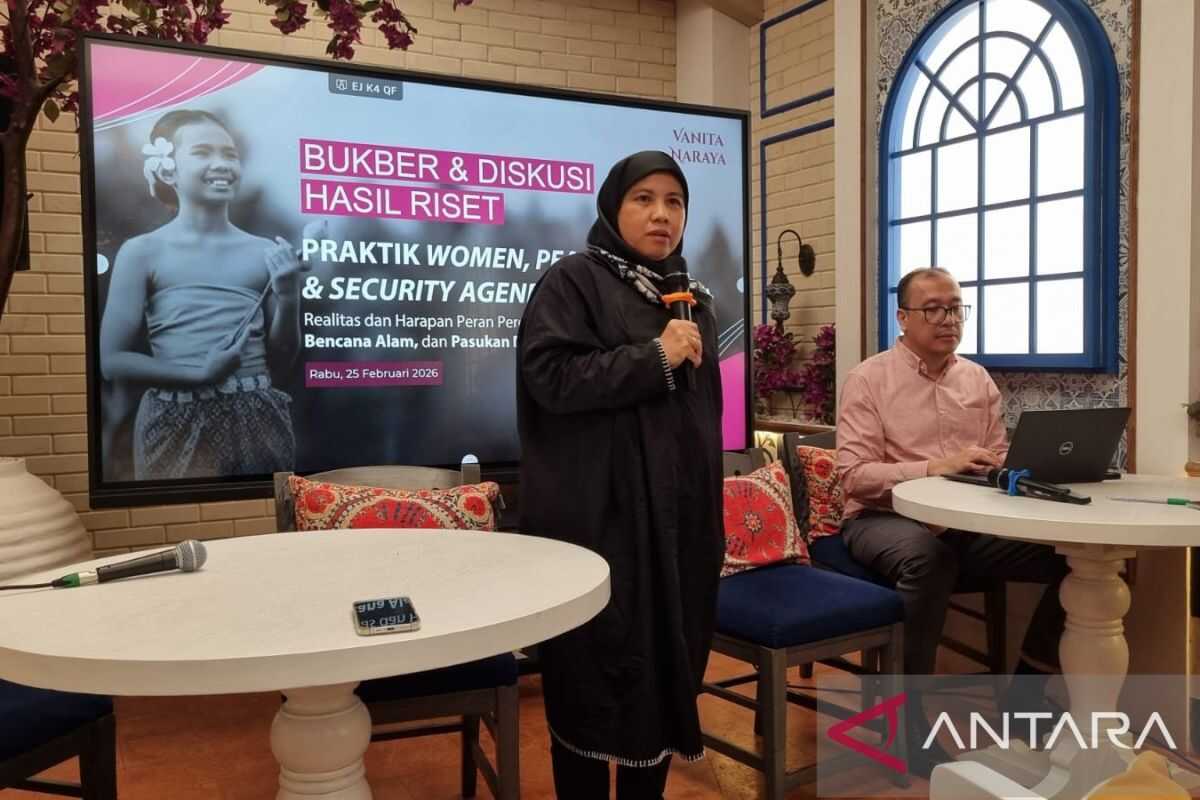
Jakarta (ANTARA) - Chair of the Vanita Naraya Foundation, Diah Pitaloka, has called on everyone to build a paradigm that women are capable of leading in difficult situations, crises, and conflicts.
“This must become a movement, a collective awareness that shapes a paradigm, and that paradigm then interprets reality. That is what we must advocate for. That female leadership also exists and thrives in the midst of difficult situations, crises, and conflicts,” said Diah Pitaloka in Jakarta on Wednesday.
At the event, “Presentation of research reports and discussions on the practice of the Women, Peace, and Security (WPS) agenda in Indonesia, the reality and expectations of women’s roles in social conflicts, natural disasters, and peacekeeping forces,” she stated that there is still inequality in the public’s perspective on female leadership.
“When men consolidate, people say he is taking a role in the midst of a crisis, people say he is a good commander or a good leader. If it’s a woman, they call it love. So the role of women in the midst of conflict is real. But it is not recognised,” said Diah Pitaloka.
“We want recognition of the female leadership that is currently taking place in various crisis situations. This is often overlooked. So, women should not only be given a space to work, but also given access to decision-making,” she added.
A national survey conducted by the Vanita Naraya team concluded that policy transformation is needed to provide real political access for women to sit equally in national security decision-making structures.
“The challenge ahead is no longer just cultural involvement, but policy transformation that provides real political access for women to sit equally in national security decision-making structures,” said Vanita Naraya researcher, Kunto Adi Wibowo.
The survey explored the shift in public perception of the role of women in social conflicts, natural disasters, and peacekeeping forces.